Does travel insurance cover flight delays and cancellations caused by bad weather?
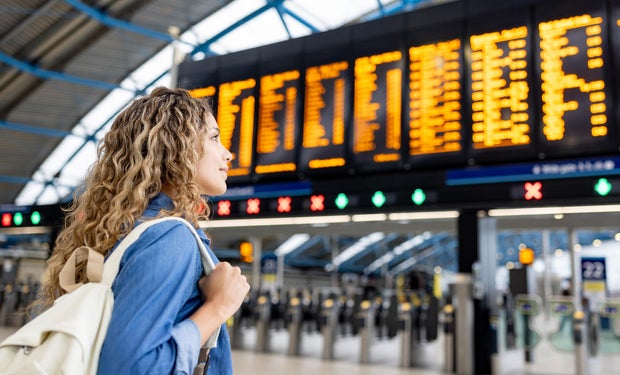
A flight can be running on schedule when a traveler leaves for the airport, only for thunderstorms, high winds or another weather event to bring departures to a halt hours later. When that happens, the cost of the disruption can extend well beyond the original plane ticket. All it takes is an unexpected hotel stay, meals, transportation and a replacement flight to quickly add hundreds of dollars to the overall price of a trip.
Those types of disruptions aren't particularly unusual, either. Flight delays remain common enough, in fact, that the U.S. Department of Transportation (DOT) tracks them as part of its monthly Air Travel Consumer Report. But what travelers generally receive as compensation from an airline after a weather disruption typically differs significantly from what they would receive when the airline itself causes the problem.
That's one reason travelers may consider buying travel insurance before a costly trip. A policy can provide another financial safety net when plans go off course. Weather-related coverage can be limited, though. So, what should you know about the coverage a travel insurance policy offers in cases of inclement weather? That's what we'll examine below.
Find out more about your travel insurance coverage options here.
Does travel insurance cover flight delays and cancellations caused by bad weather?
Travel insurance can cover flight delays and cancellations caused by severe weather, but coverage varies by policy. The National Association of Insurance Commissioners (NAIC) lists severe weather that disrupts a trip as one of the events that may qualify for trip cancellation, interruption or delay coverage. How that coverage works, however, depends on what happens to the trip. Here's what to know:
Trip delay coverage
Trip delay coverage may reimburse reasonable expenses, such as meals, lodging and transportation, that were incurred while waiting for travel to resume. For example, if severe weather grounds a flight overnight and the policy's requirements are met, coverage could reimburse the cost of a hotel room. The NAIC specifically identifies an overnight stay resulting from a flight delay as an expense that may be covered.
That doesn't mean coverage begins the moment a flight is delayed, though. Policies generally have minimum delay requirements, and reimbursement limits can apply per day or per trip. A three-hour delay, for example, might not trigger a policy that requires a longer interruption.
Compare the travel insurance policies you can use to cover your trip now.
Trip cancellation coverage
Trip cancellation coverage, meanwhile, can protect prepaid, nonrefundable costs if severe weather prevents the trip from taking place and the circumstances meet the policy's definition of a covered event. Trip interruption coverage can serve a similar purpose after travel has already begun, potentially reimbursing unused prepaid costs and certain additional transportation expenses needed to continue the trip or return home.
It's also important to distinguish insurance benefits from airline refunds. If an airline cancels a flight — including because of weather — the U.S. Department of Transportation rules generally entitle passengers to a refund if they choose not to travel and don't accept the airline's alternative transportation, travel credit or other compensation. Travel insurance may become more important for other nonrefundable costs the airline isn't responsible for, such as a hotel reservation or prepaid activity at the destination.
What to check before buying travel insurance for weather disruptions
Travelers shouldn't assume that any weather-related change to their travel plans will automatically result in an approved claim. So, before buying a travel insurance policy, it's worth checking several provisions closely.
Start with the policy's definition of severe weather and its list of covered reasons for cancellation, interruption and delay. You should also look at the required waiting period before trip delay benefits begin, along with the maximum reimbursement amounts. A policy with a low daily limit may cover only part of an expensive last-minute hotel stay.
The timing also matters in this equation. Travel insurance is designed to protect against unforeseen events, not problems that are already known. For example, waiting until a storm has already been named to purchase insurance typically means that claims related to that storm likely won't be covered. In turn, buying coverage earlier can matter when traveling to destinations where significant weather disruptions are a concern.
Travelers should also determine what documentation a travel insurer requires. That could include confirmation from the airline explaining the delay or cancellation, along with receipts for hotels, meals, transportation and other eligible expenses. Keeping those records can make the claims process easier.
For travelers who want broader cancellation flexibility, a "cancel for any reason," or CFAR, upgrade may be another option. Unlike standard cancellation coverage, CFAR doesn't require the cancellation to result from a specifically covered event. However, it generally costs more, must be purchased within a set window and typically reimburses only a portion of eligible trip expenses rather than the full amount.
The bottom line
Travel insurance can provide valuable protection when bad weather delays or cancels a flight, but the protection isn't automatic or identical across policies. Trip delay coverage may help with expenses incurred while waiting, while cancellation or interruption benefits can protect certain prepaid, nonrefundable costs when severe weather derails the broader trip.
Before purchasing coverage, compare the covered reasons, delay requirements, reimbursement limits and exclusions rather than focusing solely on the policy's price. And remember that travel insurance and airline obligations serve different purposes. If an airline cancels the flight, travelers may already have refund rights; the travel insurance policy can help fill some of the financial gaps that remain.