Doctors say hay fever cure comes from tree
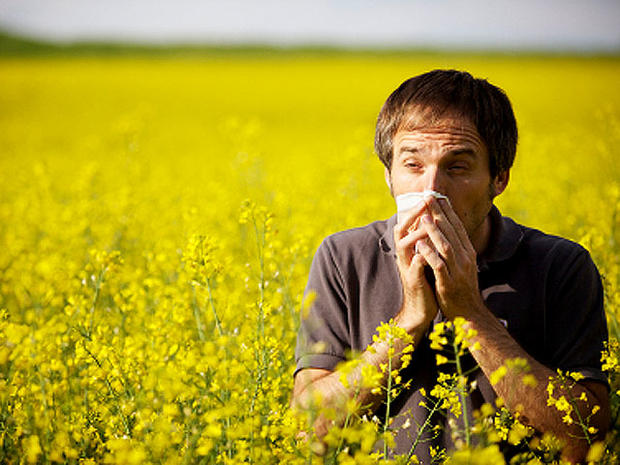
(CBS) Could the cure for hay fever come from a tree?
Researchers at the University of Gothenburg in Sweden tested a cellulose nasal spray made from pine trees, and found it dramatically reduced pesky hay fever symptoms.
Cellulose nose sprays like Nasaleze, and Nasal Ease, have been on the market for years, but there wasn't scientific evidence they worked - until now.
"We showed that the nasal symptoms of the children were significantly reduced in those who used the cellulose powder," study author Dr. Nils Åberg, associate professor in the department of pediatrics at the university, said in a written statement.
For the study - published in the June issue of "Pediatric Allergy and Immunology" - 53 pollen-allergic kids, 8 to 18 years of age, were put on either the cellulose powder spray or a placebo puffer, during peak birch pollen season. After four weeks, the children on the cellulose spray reported fewer nasal symptoms than those on a placebo. The authors say the powder forms a barrier over the nasal passages that filters out pollen.
The best news?
"The cellulose powder has no adverse effects, and this fact makes it a particularly attractive treatment for children," Dr. Åberg said. But the doctors concede it is probably necessary to also take an antihistamine "at least for parts of the pollen season."
Hay fever, also known as allergic rhinitis, causes a runny nose, sniffles, and sinus pressure. Typical treatments include allergy shots, sinus rinses, and decongestants. The most effective treatment, albeit not always possible, is to avoid pollen.
The Mayo Clinic has more on hay fever.