Can debt relief trigger more aggressive collection attempts?
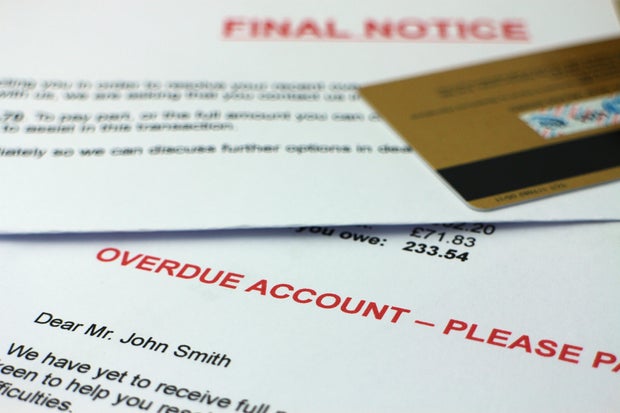
Credit card balances are sticking around longer — and costing a lot more — in today's economic environment. Case in point? If you're carrying a revolving balance right now, it's likely accruing interest at a rate of 21% or higher, and as the interest charges compound and the balance grows, it gets harder for payments, even consistent ones, to make a meaningful dent in what's owed. And, when you add in the other hurdles borrowers are currently facing, like rapidly rising inflation and a tough job market, it's easy to see why so many people are struggling to keep up with their payments.
In turn, many borrowers are considering structured debt relief as a way to break the cycle. But while taking that step may make it easier to get rid of your debt through settlement or other means, the debt relief process can also come with trade-offs that aren't always obvious. After all, debt relief programs often change how and when your creditors get paid, which can shift the dynamic between you and your lender. So, what feels like a proactive move on your end may be viewed very differently by the companies you owe.
That disconnect can lead to an important question: Does entering a debt relief program calm collection efforts, or could it actually intensify them before things improve? That's what we'll examine below.
Learn how to get started with the debt relief process today.
Can debt relief trigger more aggressive collection attempts?
In some cases, yes, debt relief can trigger more aggressive collection attempts — at least temporarily. It's not as simple as debt relief causing aggressive collections across the board, though.
Many programs, particularly debt settlement, require you to stop making payments to creditors and instead redirect funds into a dedicated account. Those funds are later used to negotiate lump-sum settlements with your creditors. While this strategy can reduce the total amount you owe, it also means your accounts may become increasingly delinquent before negotiations begin.
That delinquency is, in turn, what generally triggers heightened collection activity. Here's how that can play out:
- Increased calls and notices: When payments stop, creditors and collection agencies may ramp up communication efforts. This can include more frequent calls, emails and letters as they attempt to recover the balance before it deteriorates further.
- Escalation to third-party collectors: Original creditors may sell or transfer your debt to collection agencies. These third parties often operate with a stronger focus on recovery, which can feel more aggressive, even if they're still bound by federal collection laws.
- Potential legal action: In some cases — particularly with larger balances or prolonged nonpayment — creditors may pursue lawsuits. This doesn't happen in every situation, but the risk can increase if your accounts remain unpaid for an extended period.
That said, this phase is typically just part of the process rather than a sign that debt relief isn't working. As accounts become more delinquent, creditors may become more willing to negotiate, which is often when settlements are reached.
It's also important to note that not all debt relief options function the same way. Debt management plans, for example, typically involve working with creditors to reduce interest rates and fees while continuing monthly payments. Because your accounts remain active and the payments continue, these plans are less likely to trigger aggressive collection efforts.
Learn whether you qualify to settle your debt for less now.
How to deal with increased pressure from debt collectors while in debt relief
While some increase in collection activity is possible, there are ways to navigate it strategically and, in many cases, reduce its impact over time. Here's how to do that:
- Know your rights under the law: Debt collectors must follow strict rules under the Fair Debt Collection Practices Act (FDCPA). They cannot harass, threaten or mislead you. Understanding these protections can help you identify when behavior crosses the line and take action if needed.
- Use communication strategically: You have the right to request that debt collectors limit or stop certain types of communication, such as phone calls. While this won't eliminate the debt, it can reduce day-to-day stress while you move through the relief process.
- Work with a reputable debt relief provider: A credible debt relief agency can help coordinate negotiations, advise on timelines and communicate with creditors on your behalf. They can also help you understand when increased collection activity is expected and when it may signal a need to adjust your approach.
- Consider alternative options if needed: If aggressive collections escalate beyond what you're comfortable managing, other forms of relief may offer stronger protections. For example, bankruptcy can trigger an automatic stay, which halts most collection activity, including lawsuits and garnishments.
The bottom line
Debt relief can be an effective way to reduce what you owe and create a path forward, but it doesn't always deliver immediate relief from creditor contact. In fact, certain strategies, particularly those that involve pausing payments, may temporarily increase collection activity as creditors respond to rising delinquency. That doesn't mean the approach is failing, though. In many cases, it's a transitional phase that leads to more favorable settlement opportunities.