5 credit card debt mistakes to fix this April
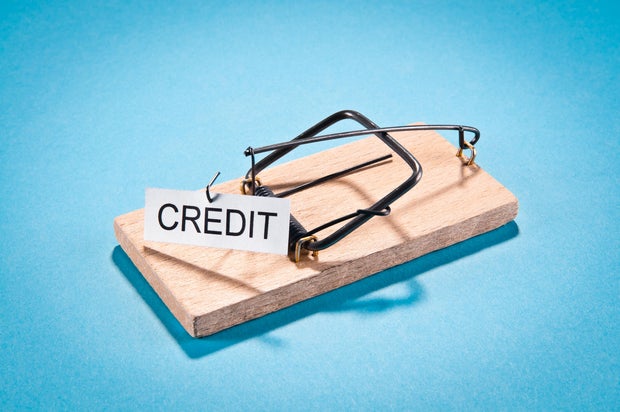
In today's tough economic environment, many Americans are taking stock of their financial situation and making changes to try and improve it. That's a smart move for nearly anyone to make, but if you're dealing with credit card debt, it's an even more important task to prioritize right now. After all, credit card debt continues to be a significant burden for millions of households, with the average cardholder owing nearly $8,000 on their credit cards at a time when average card rates are closing in on 23%.
Carrying that high of a balance from month to month, especially at that rate (or higher), can quickly become problematic, as the compounding interest can make it feel impossible to get ahead. Letting balances grow from one month to the next is hardly the only credit card mistake that cardholders are making currently, though. There are several common (but costly) credit card mistakes that you could be making right now — some of which you may not even recognize.
The good news is that by fixing these mistakes, you can start making real progress toward paying down your credit card debt. The key is to recognize the habits that are holding you back and take decisive action to correct them this April.
See what credit card debt relief options are available to you today.
5 credit card debt mistakes to fix this April
Let's explore five common credit card debt mistakes you should fix this April and practical solutions to help you get back on track.
Making just the minimum payments
The mistake: Many cardholders fall into the trap of only making minimum payments on their credit card balances, which is typically just a small percentage (1% to 2%) of the balance plus interest.
The impact: While this keeps your account in good standing, it dramatically extends your repayment timeline and significantly increases the total amount you'll pay due to compounding interest.
The fix: Try to pay at least double the minimum payment each month. If you receive a tax refund this April, consider using a portion to make a lump sum payment on your highest-rate card. Even a one-time larger payment can substantially reduce your overall repayment timeline and total interest paid.
Chat with a credit card debt expert about the help available to you now.
Using credit cards for everyday necessities
The mistake: With inflation driving up the cost of everything from housing to food, many cardholders are strapped financially. In turn, they are relying on credit cards to cover basic expenses like groceries, utilities and gas without having the cash to pay the balance in full each month.
The impact: This approach creates a dangerous cycle where you're continuously adding to your balance while interest accumulates, making it increasingly difficult to break free from debt.
The fix: Create a realistic budget that covers your essential expenses with your regular income. Use April as your reset month — start tracking all expenses and identify areas where you can cut back. Consider using cash or a debit card for daily purchases to avoid adding to your credit card balance.
Ignoring balance transfer opportunities
The mistake: Transferring your current balances to a lower-rate credit card can be a simple way to start tackling your credit card debt. So, if you're continuing to pay interest on your high-rate credit cards when lower-rate options are available, you may want to resolve that issue this April.
The impact: You're potentially spending hundreds or thousands of dollars on unnecessary interest payments that could otherwise go toward reducing your principal balance.
The fix: Research balance transfer offers this April. Many cards offer promotional 0% APR periods for up to 21 months, allowing you to make significant progress on your debt. Be sure to factor in balance transfer fees (typically 3% to 5% of the transferred amount), though.
Not having a debt repayment strategy
The mistake: Credit card debt tends to be easier to tackle with a solid plan in place. So, if you're randomly paying different amounts toward multiple credit cards without a clear strategy, consider course-correcting this April instead.
The impact: Without a structured approach, you may end up paying more interest over time and staying in debt longer than necessary.
The fix: This April, implement a plan to pay off your debt, whether that's the avalanche or snowball methods or utilizing one of the many debt relief options available to you. There are plenty of strategies to choose from, so do your homework and find the approach that best fits your financial situation.
Continuing to use cards while paying off debt
The mistake: Adding new charges to cards you're trying to pay off is a common mistake that cardholders make, but it's an expensive one — and it can set back your debt repayment timeline significantly.
The impact: This creates a "two steps forward, one step back" situation where your debt reduction efforts are undermined by new spending.
The fix: Temporarily stop using cards that you're actively paying down. Consider removing them from digital wallets and putting them in a safe place where you won't be tempted to reach for them. That reduces the likelihood that you'll continue to rack up more debt while trying to pay off your current balance.
The bottom line
Getting a handle on credit card debt should be a priority this April, and by addressing these five common mistakes, you may be able to significantly reduce both the time you'll spend in debt and the total amount you'll pay. Remember, though, that financial improvement is rarely linear, and the most important factor is consistency over time. Making small, sustainable changes now can lead to significant financial freedom in the future.