Congressmen Break Out the Cots to Bunk in the Office
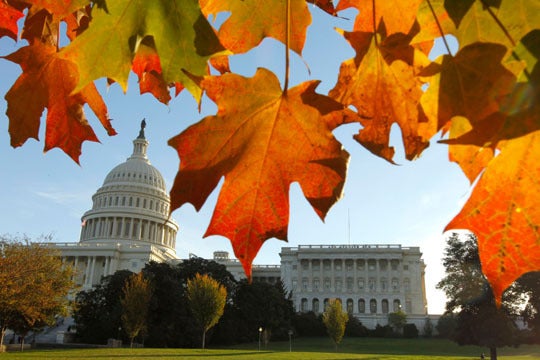
After getting elected to the 112th Congress as Washington "outsiders," several new lawmakers are stressing that they're simply visitors here in the nation's capitol, working on behalf of their constituents -- and that means avoiding putting down roots.
At least 40 or 50 congressmen, including as many as a dozen freshmen, are opting to sleep in their offices instead of renting or buying apartments, the New York Times reports. While both Democrats and Republicans are choosing to bunk their offices, the Times says it found only male lawmakers going that route.
The move may not only bolster a lawmaker's "outsider" credentials, but also help prove their work ethic.
"It just seemed like sleeping in my office, just focusing totally on my work when I'm here, made the most sense," Republican Rep. Joe Walsh of Illinois told the Times. "I don't want to think about where I'm living, I don't want to think about what I'm eating; I want to get in, do my work and then get home and talk to the people who sent me here."
Each congressional office conveniently includes a bathroom and sink, though lawmakers would have to shower at the congressional gym in the Rayburn House Office Building.
The inconveniences of sleeping in the office may be worth it, given the cost of the alternative. Though the base pay for congressmen is $174,000, Washington, D.C. is one of the most expensive rental markets in the nation. Furthermore, many congressmen have left their families back in their home districts.
Newsweek surveyed 46 of the 107 freshman members of Congress and found only one (Republican Sen. Mike Lee of Utah) who plans to bring his family to Washington.
Freshman Rep. Kristi Noem, a Republican from South Dakota, told Newsweek, "If we would have had to move here, I simply wouldn't have run."
The trend of leaving families back in home districts grew after the Republican congressional takeover in 1994, according to Newsweek, when the status of "outsider" became more popular. These days, House members are expected to spend at least five days each month, in addition to weekends, in their home districts.
Lisa Miller of Newsweek argues that this trend of lawmakers remaining true Washington "outsiders" contributes to the state of gridlock in the capitol.
"Real legislating--the compromises and dealmaking that distinguish politics from posturing--happens only among people who know and respect each other," Miller writes. "Family life has always been crucial to that chemistry."