Australia's new social media ban for kids started with a mom saying, "Do something!"
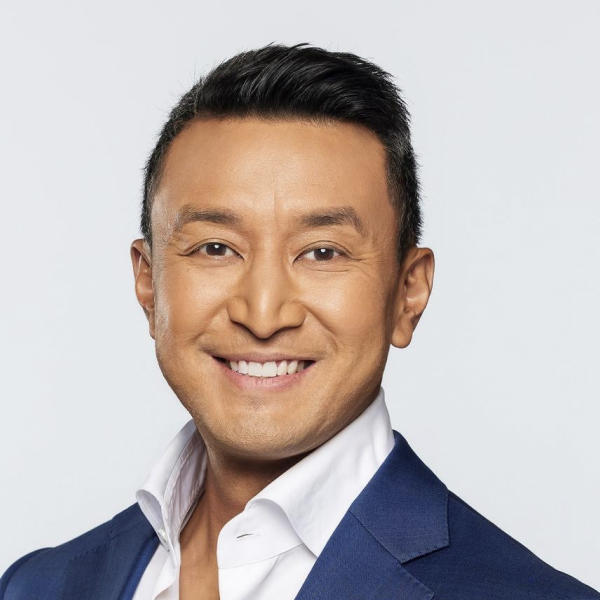
With the world's first social media ban for teenagers under 16 now in effect in Australia, its initial political architect is celebrating a new less-digital era for millions of children — and sharing that the legislation was personally inspired by his wife, for their four children.
"She read a book called 'The Anxious Generation,' by Jonathan Haidt," said Peter Malinauskas, the premier of the state of South Australia. "And I will never forget the night she finished reading the book and she put it down on her lap and she turned to me and said, 'You better do something about this!'"
Within seven months, and with strong public support, that idea fast became law across the land, winning support from Prime Minister Anthony Albanese. Ten major apps including TikTok, Instagram, Snapchat, Reddit and Facebook have complied to bar everyone 16 and under from their accounts and from setting up new accounts.
"Heaven forbid they might talk to one another a bit more, pick up the phone and have a chat rather than just being obsessed with the screen," said Maulinauskas.
The ban puts the onus of responsibility on social media companies rather than parents with a penalty of up to $33 million if found to be in breach. It allows for each company to decide how best to adhere, which must be "multi-layered," using more than one kind of identity verification, which could include traditional methods including national IDs and passports but also artificial intelligence — controversial over possible inaccuracies — to scan facial features for age.
Malinauskas readily admits there will be growing pains.
"People will find ways around it and lots of things will go wrong, and that'll be highlighted in coming days and weeks in Australia," he said, "but on balance, this is a reform that parents want so they can do their job more easily."
He says officials from North America, Europe and Asia have been speaking with him about advancing similar legislation in Canada, the United Kingdom and Japan. Malaysia is already on track to be the next country to ban those under 16 from social media in 2026.
Yet in Australia, the law already faces a legal challenge. The country's High Court accepted a legal challenge from two 15-year-olds who assert the ban violates their freedom of communication. The case could be heard as early as February.
Malinauskas blames those companies for putting all children through "a global experiment" over the past decade with "social media addiction and overuse because many of these platforms have had addictive algorithms."
"I'm really proud, really proud that we've been able to see South Australia and then Australia lead a reform that's going to make a big difference to young people's lives," he said.
"And the reason why politicians are looking at it is because parents know something's not right. You know, there is no better judge of what's in the best interest of a child than a parent, right?"