A decade after synthetic opioids surged, Cincinnati is part of a historic decline in deaths
Cincinnati — A decade ago, the streets around Cincinnati, Ohio, became a front line for America's deadliest drug crisis.
Tom Synan, police chief of nearby Newton, and head of Hamilton County's Addiction Response Coalition, can still point out the places where opioid overdoses were once common, and where first responders were pushed to the brink.
"August 19th through the 27th of 2016 — carfentanil hit the streets of Cincinnati," Synan told CBS News. "We've never been the same, and the country has never been the same."
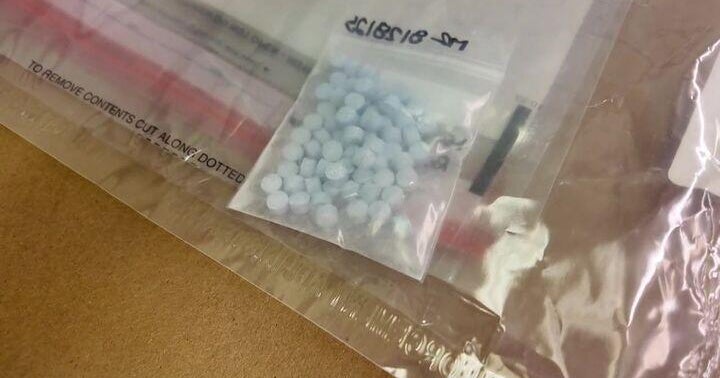
Carfentanil is an ultrapotent synthetic opioid used to tranquilize elephants and other large mammals, according to the Drug Enforcement Administration. The drug is about 100 times more potent than fentanyl and 10,000 times more potent than morphine.
In Ohio, the impact was immediate and deadly.
There were nearly 400 carfentanil-involved deaths reported in the state in the second half of 2016, according to the U.S. Centers for Disease Control and Prevention. That year, Ohio recorded nearly 3,500 overdose deaths involving any opioid, up 35% from the year prior, according to the Ohio Department of Health.
Nearly a decade later, the crisis looks markedly different. Once among the hardest hit in all of America, these areas are now part of a historic reversal.
"We're in the fourth consecutive year of seeing a reduction in overdose deaths," Synan said. His team works not only to bust suppliers, but to treat addicts.
Nationwide, the crisis peaked in 2023 at 111,000 total overdose deaths. It has fallen every 12-month period since, according to the CDC. For the 12-month period ending in August 2025, the predicted number of drug overdose deaths was down to about 73,000, the CDC said.
Researchers have credited that decrease, in part, to the overdose antidote naloxone and a sudden drop in the potency of drugs coming from China — something Synan has seen as well.
The rest is more complicated.
By labeling illicit fentanyl a "weapon of mass destruction" last month, President Trump is promising a crackdown on suppliers and dealers. CBS News asked people at Cincinnati's Findlay Market about using that term, and found that hardline message is often appreciated by those closest to the crisis.
"I had a couple friends lost throughout the years," one man behind the counter said. "I mean it is [a weapon of mass destruction] and they put it in everything. It's sickening."
But some feel using the label doesn't help solve the problem.
"We've been having a war on drugs for decades and we're still fighting it, trying to combat it," another employee said. "And it's always going to be a new drug popping up to replace something that we think that we put on the shelf. I don't think the label matters at all."
As for Synan, he says what's mattered more is not enforcement but the treatment of addiction, including the millions of federal dollars spent on programs like his, checking on addicts and getting them help.