National parks add Trump's birthday to list of fee-free days and remove MLK Day, Juneteenth
Free days at the U.S. National Parks have been changed to no longer include Martin Luther King Jr. Day and Juneteenth, just weeks after the Trump administration announced it would be raising fees for visitors who are not American citizens or permanent residents.
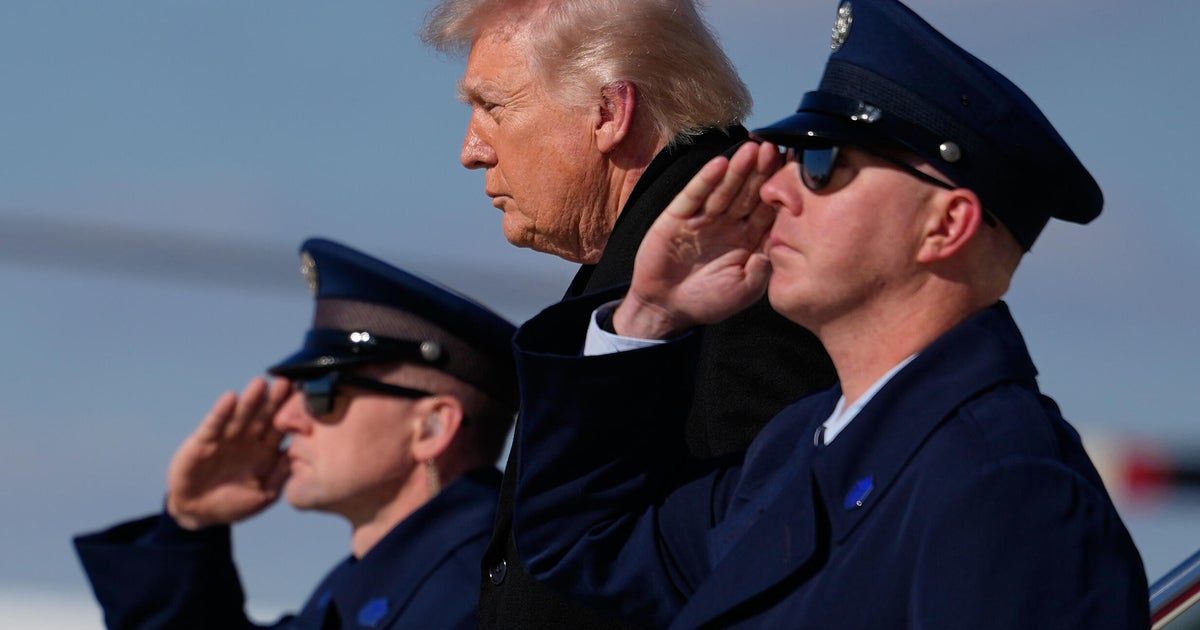
June 14, which is both Flag Day and President Trump's birthday, will be included, according to a list shared by the NPS.
Previously, Martin Luther King Jr. Day and Juneteenth were deemed fee-free days by the Biden administration.
Most of the free days are patriotic in nature, including Presidents' Day (February 16), Memorial Day (May 25), Independence Day weekend (July 3-5), Constitution Day (September 17) and Veterans Day (November 11). The 110th birthday of the National Park Service (August 25) and the birthday of President Theodore Roosevelt (October 27), considered the founder of the National Park Service, are also free days.
Those who are not U.S. citizens or residents will still have to pay entrance fees and applicable nonresident fees on those dates, the NPS said.
About 100 of the nation's 400 parks collect an entrance fee. The costs vary by park. The Trump administration announced earlier this week that each visitor who is not a U.S. citizen or permanent resident will have to pay a $100 non-resident fee at 11 popular parks. An annual pass that currently costs $80 will cost non-residents $250 beginning in 2026.
The announcement follows a July executive order in which Mr. Trump directed the parks to increase entry fees for foreign tourists. At the time, Mr. Trump also ordered the Department of the Interior to give U.S. residents "preferential treatment" over foreign visitors regarding "recreational access rules, including permitting or lottery rules" that parks might have in place. In its 2026 fiscal year budget proposal released in May, the department estimated that such a surcharge on international visitors would generate more than $90 million annually.
Interior Secretary Doug Burgum said on social media that the changes make sure U.S. taxpayers "continue to enjoy affordable access, while international visitors contribute their fair share to maintaining and improving our parks for future generations!"
The U.S. Travel Association estimated that in 2018, national parks and monuments saw more than 14 million international visitors. Yellowstone reported that in 2024, nearly 15% of its visitors were from outside the country, which was down from 30% in 2018.