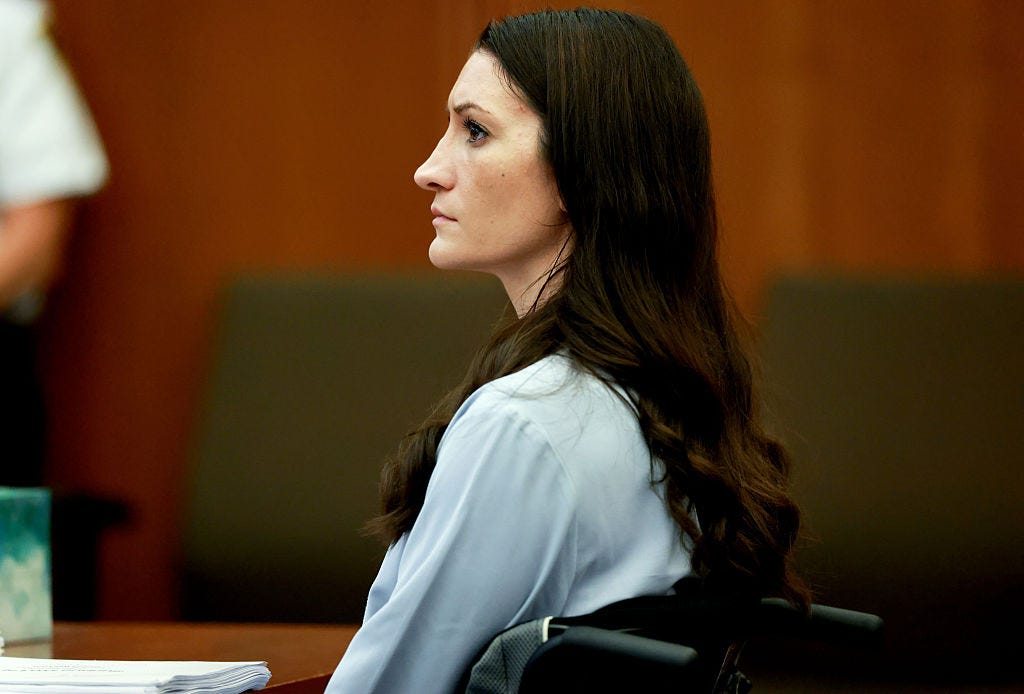
Neutrogena addresses its treatment of Hayden Panettiere after she spoke about postpartum depression
Neutrogena shared a statement on Thursday addressing Hayden Panettiere's death, following days of backlash. In the wake of her death, many fans resurfaced comments Panettiere had made claiming the skincare company fired her in 2015 for speaking out about postpartum depression.
"For more than a decade, Hayden was a valued member of our Neutrogena community. We are proud to have partnered with her and understand that we made her feel unsupported during a very difficult time. This is not what Neutrogena stands for or who we want to be," the company wrote on social media.
"Hayden's courage in sharing her challenges helped inspire important conversations and awareness. We are making a significant investment to a long-standing community health partner to help give more women access to the support they need, including care for postpartum depression," Neutrogena wrote. The company said it would share more details "when plans are in place."
"Out of respect for Hayden's family and loved ones, we did not want to speak out so soon following her passing. Everyone at Neutrogena extends their deepest condolences to Hayden's family and all who loved her," the statement added.
Panettiere, 36, died on Sunday in Greenville, South Carolina. Authorities said emergency responders found her in cardiac arrest. Two sources familiar with the investigation told CBS News that the Drug Enforcement Administration is assisting in the investigation.
Panettiere's acting career began in early childhood and spanned more than three decades, with starring roles in "Remember the Titans," "Heroes," "Bring It On," the "Scream" horror film franchise and more. Her role as country music singer Juliette Barnes in the TV drama "Nashville" earned her two Golden Globe nominations and a spot on the Billboard charts.
She was open about some of her personal struggles, telling People magazine in 2022 about an addiction to opioids and alcohol that began in her teens. In October 2015, she entered a treatment facility for help with postpartum depression after giving birth to her daughter.
In recent days, clips from a recent press tour interview for her memoir, "This Is Me: A Reckoning," addressing her firing from Neutrogena, were widely reshared, with some fans calling for a boycott of the company over its treatment of her.
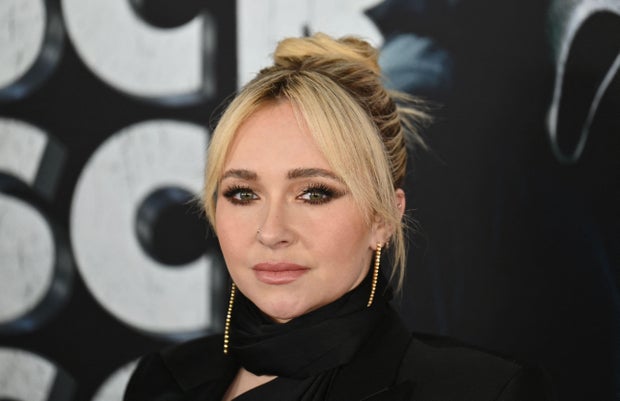
In a May episode of Jay Shetty's "On Purpose" podcast, Panettiere spoke candidly about what she was going through at the time, saying Neutrogena "was a huge part of my life," and that the paparazzi were also capturing "every moment," "all these gory moments."
Then she referred back to an interview she gave in 2015 on "Live with Kelly and Michael" in which she'd spoken about postpartum depression as "something I can very much relate to ... and something I know a lot of women experience."
She told Shetty, "Of all the things to, that they would fire me over, this was the last thing that I thought they would ever fire me over."
Panettiere told Shetty that during the 2015 interview she "had no intention of or plan to talk about postpartum depression. It just came up, and I was just being honest. And never for a second did I think that anyone or care that anyone would have a bad reaction to it. It was my truth."
"So when I got that call that Neutrogena wanted to fire me over that, and my representative at the time said, that's illegal, you can't do that. And even though, you know, she saved the day that year, I knew that that was gonna be it. That there was gonna be, I was not gonna be invited back the next year," she said.
After being with the skincare brand for 10 years, Panettiere said, she recalled "not hearing a word from anybody. Not a 'great working with you for 10 years,' ... not a nice ... 'hope you're good, we wish you well.'"
"And I remember that really breaking my heart," she said.
"I wouldn't change it for the world. I wouldn't take it back," she told Shetty. "But as I said, of all the things that I had been caught doing, that being the thing that that was where they drew the line, and it was immoral, was shocking to me. And it made me realize and understand exactly what people thought of women who experience postpartum depression and how misunderstood it is, how much stigma there is around it."