Angie Nixon reflects on Senate loss as Florida faces tax changes
This week on Facing South Florida, host Jim DeFede examined the aftermath of Tuesday's elections and the results shaping Florida's political landscape.
DeFede sat down with state Rep. Angie Nixon following her narrow defeat in the U.S. Senate race. The two discussed factors that contributed to her loss, with Nixon noting that attacks labeling her a "socialist" did not prevent her from winning in Latino strongholds such as Little Havana and Doral.
DeFede also asked Nixon what message her supporters should take away from the election.
"You know, the message is that we can win when we're invested in, and we did a lot with very little," Nixon said. "I was underfunded, a very small fraction of what Andrew Gillum had, a very small fraction of what James Tolerico had, and everyone else had across the country, based on our numbers and everything. And so. Um, we did really good. We got really close, but the overall message is that Florida is worth fighting for. The people of Florida are worth fighting for, and I'm going to continue to throw down so that we can help improve their quality of life."
Nixon declined to say whether she would run again when the Senate seat is up for election in two years. She said she wants to see improvements in the Democrats' infrastructure in Florida while taking some much-needed time with her family.
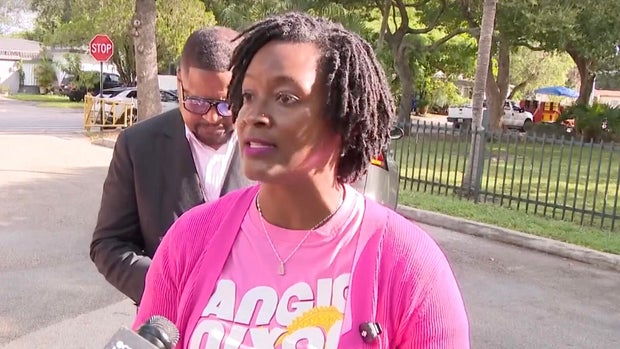
"I haven't seen my kids, you know, as like I wanted to see them for a while. And so I'm just going to hang out with them," she said. "I'm going to get some rest and then I'm going to get back to work to really just organizing the state, which is what I love to do."
DeFede also discussed the passage of Amendment 3 with Jeff Brandes, a former state legislator and founder of the nonpartisan Florida Policy Project.
The amendment will significantly increase Florida's homestead exemptions over the next two years, with critics warning that the changes could gut municipal budgets and leave smaller cities and counties struggling to fund essential public services.
"I think many legislators who are going to be shocked at this are frankly shocked that this passed," Brandes said. "And most of them are now reading it for the first time anew and understanding deeply now what it actually does. I think you're seeing cities and counties that were nervous before that are terrified now, because now they really have to have a conversation about what this actually does to their budgets."