
A zero-calorie sweetener is linked to heart attack and stroke, study finds
Erythritol, a zero-calorie sugar substitute, is linked to higher risk of heart attack, stroke and death, according to a new study.
Watch CBS News
Erythritol, a zero-calorie sugar substitute, is linked to higher risk of heart attack, stroke and death, according to a new study.

A severe shortage of mental health treatment options means kids in crisis increasingly find themselves in emergency rooms for weeks or longer.
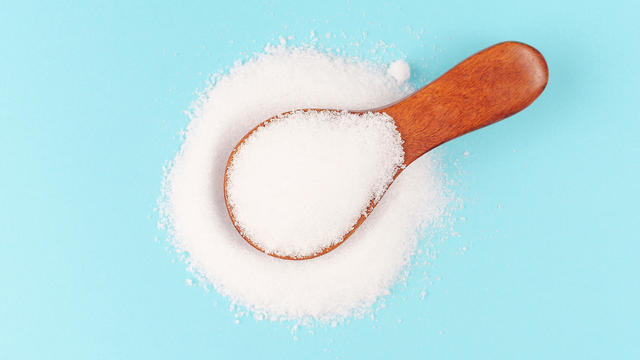
A sugar replacement called erythritol — used to add bulk or sweeten stevia, monk-fruit, and keto reduced-sugar products — has been linked to blood clotting, stroke, heart attack and death, according to a new study.

Doctors have limited options to treat the "extensively drug-resistant" strains of Shigella bacteria.

A California psychology professor has gained a million followers on TikTok by debunking "wellness" advice that could do more harm than good.

Children and teens across the U.S. increasingly face significant mental health challenges and a severe shortage of services to treat them. The result: kids everywhere are in crisis.

A large trial of a 4-day workweek in the U.K. led to more employee happiness, less burnout and higher company revenues.

Low-salary jobs are tied to higher exposure to workplace hazards and minimal or no health benefits, one researcher says.

Insomnia is the most common sleep disorder in the US

Woman who survived COVID will get to watch her children accomplish their goals because Memorial Hospital saved her life using the first ECMO machine in South Florida.

This puts them at higher risk for bigger health problems
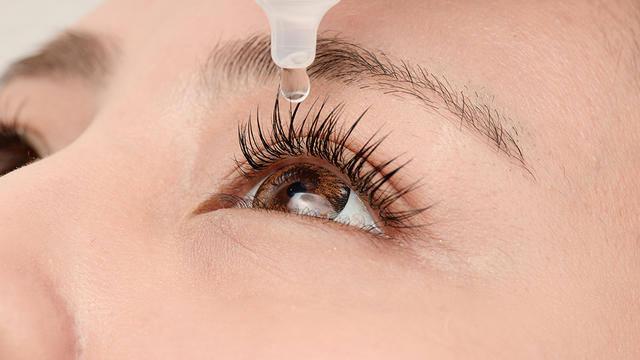
The FDA says Delsam Pharma's Artificial Eye Ointment may be contaminated with bacteria, following outbreak of a drug-resistant strain.

Any exercise, even as little as once a month, can help preserve mental function and memory

The 53-year-old known as the "Düsseldorf Patient" also had cancer and received a bone marrow transplant which replaced his cells with a donor's HIV-resistant stem cells.

One expert says most Americans likely don't realize how many additives they're eating that European regulators shun — and it's "almost certainly" making them sick.