
June's full Strawberry Moon arrives with summer solstice
June's Strawberry Moon is arriving along with the start of summer.
Watch CBS News
June's Strawberry Moon is arriving along with the start of summer.
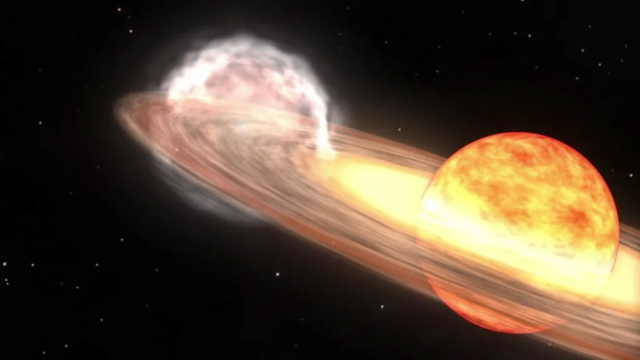
A dramatic cosmic explosion is expected this summer. NASA says the event will be visible to even the naked eye.

The Starliner's launch was picture-perfect, but additional helium leaks were detected, triggering another round of troubleshooting.

Nearly a month after a frustrating launch scrub, the Starliner and its two-person crew were initially cleared for a second attempt to reach orbit.
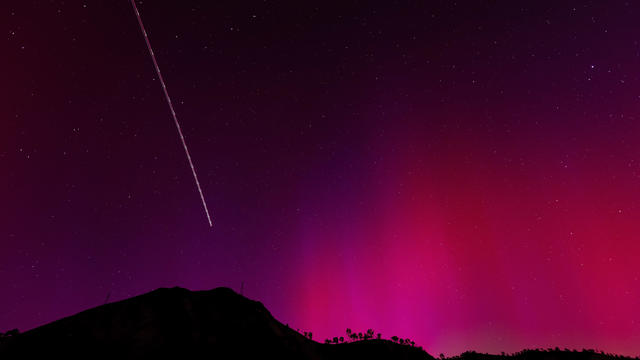
The forecasted conditions come after a weekend of jaw-dropping northern lights seen as far south as Florida and as "magnetically complex" sunspots bigger than Earth continue to emit solar flares.

The sunspot responsible for the odd series of strong solar flares is so big you can see it with your own eyes from Earth.
The visualization, produced on a NASA supercomputer, allows users to experience flight towards a supermassive black hole.
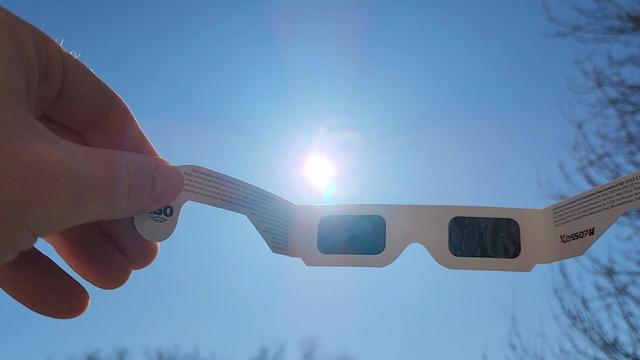
The next solar eclipses where parts of he continental U.S. will experience totality won't be until 2044 and 2045.
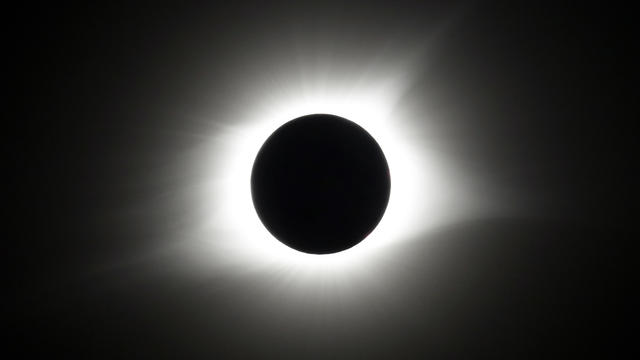
The moon will shroud parts of North America in darkness when the total solar eclipse happens today, April 8. Here's what causes the phenomenon and why.

Total solar eclipses are rare. This list shows the history of the phenomenon in the United States.
Astrology dates back centuries and astrologers who study the stars say that if you feel a little different during an eclipse, there's a reason.

The total solar eclipse will be visible along a 2,500-mile path. Meteorologists are closely monitoring the latest models, but historical data suggests those hoping to view the corona and see a fully darkened midday sky may find themselves dodging clouds due to April weather patterns.
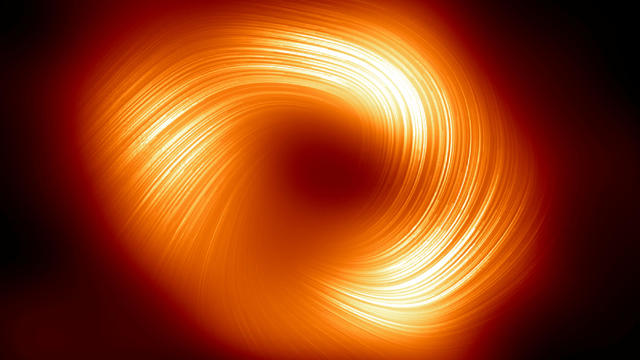
Supermassive black holes are believed to have emerged very early in the universe but their creation remains a mystery.
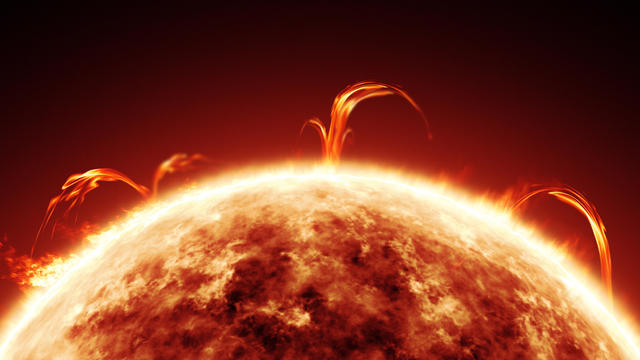
NOAA said people as far south as Alabama may have seen the northern lights and that the sun could expel the strongest type of solar flares over the next few days.
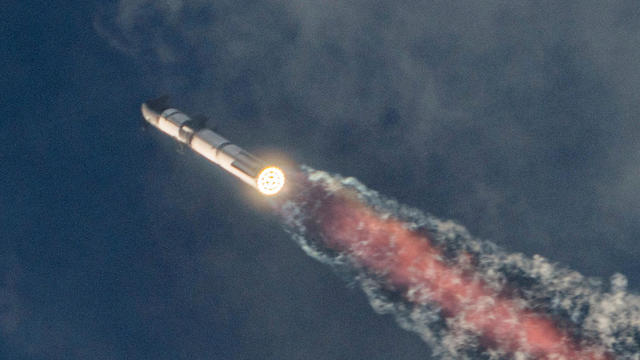
Today's test flight of the SpaceX Super Heavy-Starship rocket follows two launches last year that were only partially successful.