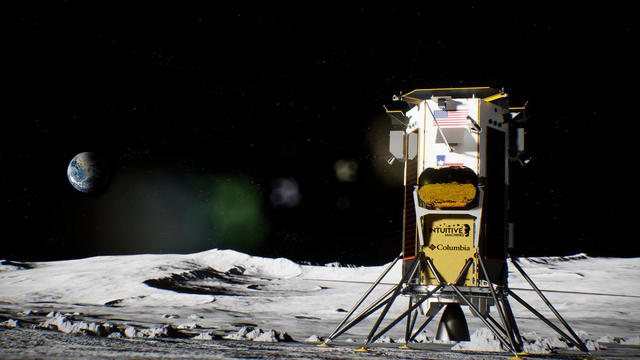
First U.S. moon landing since 1972 as private spacecraft touches down
Intuitive Machines's Odysseus lunar lander became the first privately-built spacecraft to safely complete a moon landing.
Watch CBS News
Intuitive Machines's Odysseus lunar lander became the first privately-built spacecraft to safely complete a moon landing.
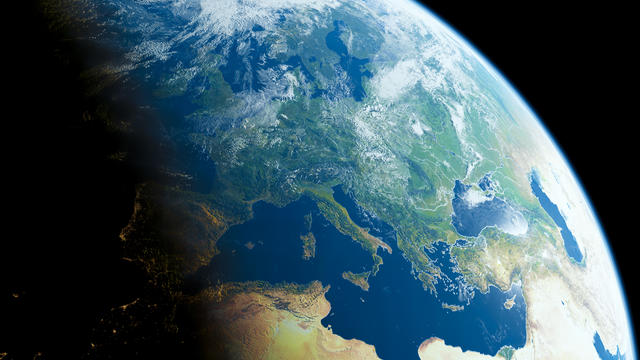
A satellite weighing about as much as an adult male rhinoceros re-entered Earth's atmosphere today over the north Pacific Ocean between Alaska and Hawaii.
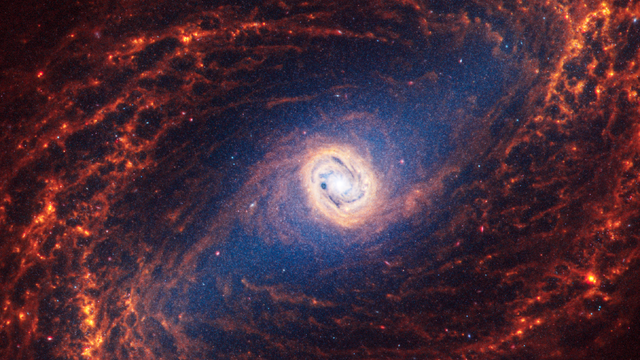
The new images captured by the James Webb Space Telescope are "mind-blowing even for researchers who have studied these same galaxies for decades," one scientist said.
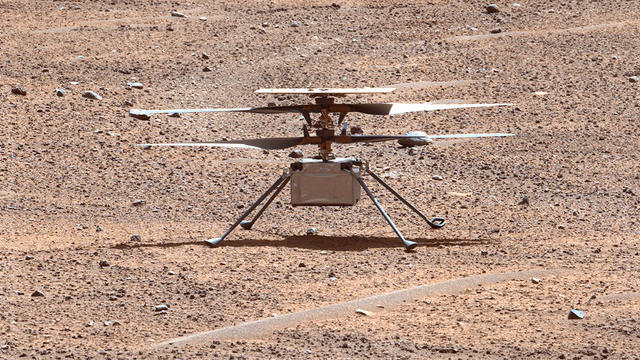
Living long past its design lifetime, the Ingenuity helicopter was finally done in by rotor damage during a presumed off-kilter landing.

January's first full moon, known as the Wolf Moon, will appear full for around three days, according to NASA.

The dazzling green tree with seemingly sparkling blue and white lights was found in the Milky Way and is a formation of young stars – some bigger than the sun.
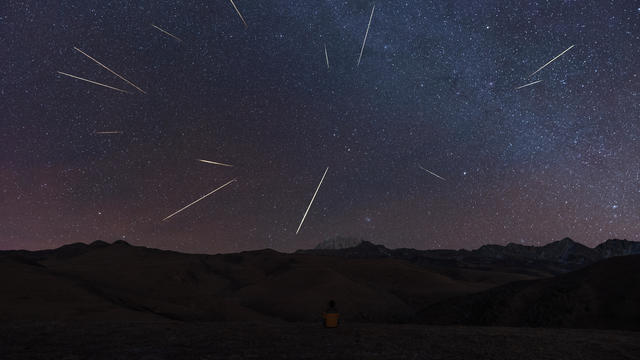
The Geminids, one of the best and most reliable meteor showers of the year, is peaking tonight. Here's when and where stargazers can see the meteor shower.
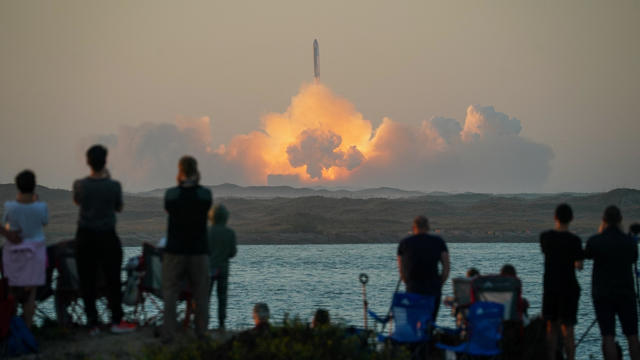
Seven months after a catastrophic failure, SpaceX launched its Super Heavy-Starship, the most powerful rocket ever built, but once again ran into problems.
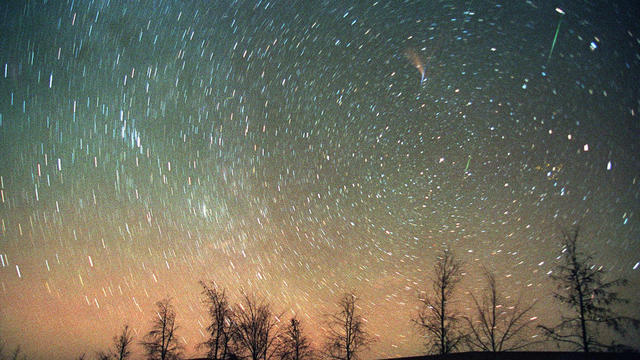
The Leonid meteor showers are fast – streaking by at 44 miles per second, according to NASA. Still, some stargazers can see them at their peak this week.
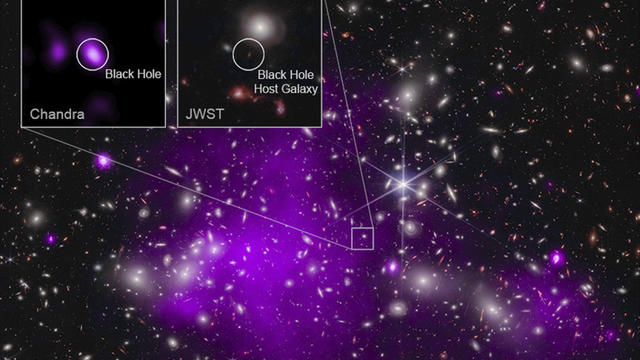
"It's astounding how this thing actually is sitting in place already with its galaxy so early on in the universe," said one of the study's authors.
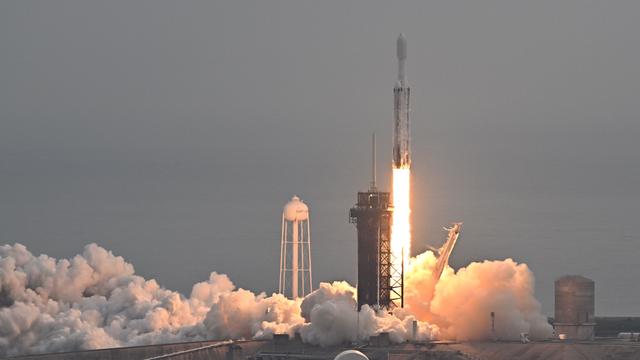
The asteroid Psyche may be a sample of planetary core material left over from the birth of the solar system 4.5 billion years ago.
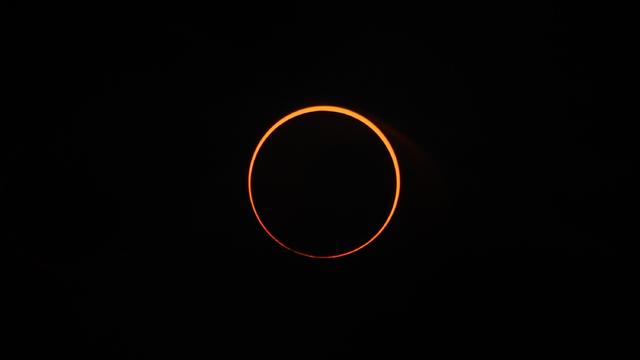
A rare "ring of fire" solar eclipse will move across the U.S. on Saturday. NASA shared a viewing map and timeline.
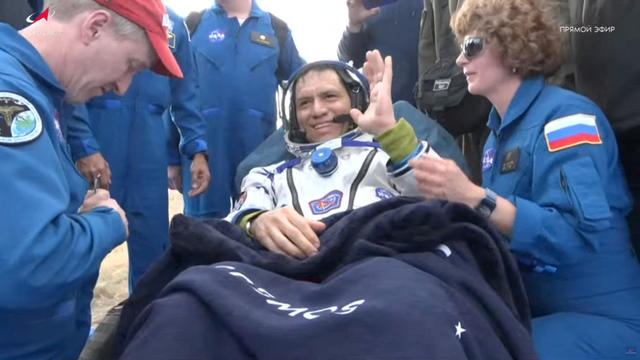
Descent from the International Space Station closed out an unexpected 371-day stay, the longest flight in U.S. space history.
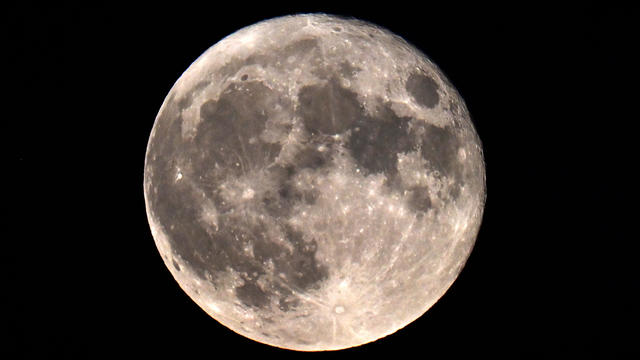
September's full moon, also known as the harvest moon, will be the last of four consecutive supermoons.
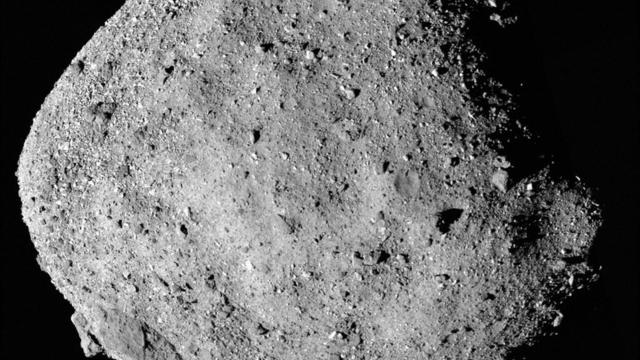
The OSIRIS-REx sample return in Utah will bring a seven-year, four-billion-mile journey to a close, providing insights into the birth of the solar system.