LA County motions aims to help residents pay for Eaton Fire soil testing
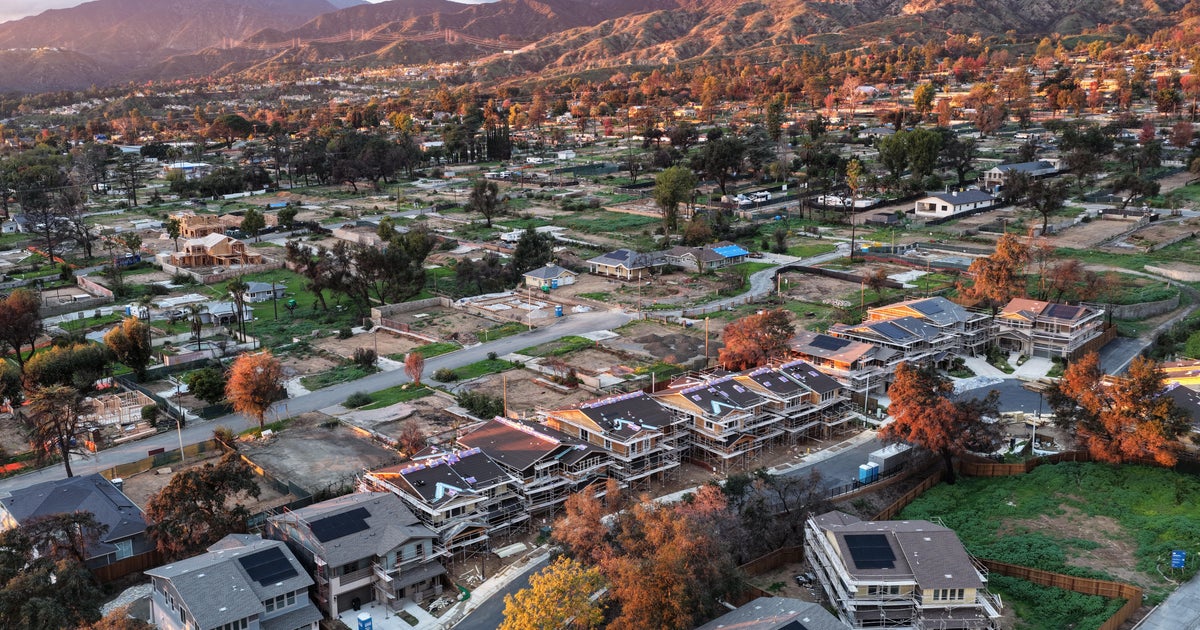
After the Department of Public Health discovered lead levels exceeding state and federal guidelines near the Eaton Fire, the Los Angeles County Board of Supervisors will consider a motion to help residents pay for their own soil tests.
Supervisor Kathryn Barger, who represents Altadena and the surrounding area, introduced the motion that would reallocate $3 million from the county's Lead Paint Hazard Mitigation Program.
"I'm aware some of my constituents want to test their soil but are worried about the cost," Barger said. "This motion is about making sure they have access to resources and support to protect their health and their homes."
In their findings, public health staff noted that because the LA area produces many potential sources of lead, it's unclear whether the lead samples came from the wildfire or other sources. However, their scientists believe the higher-than-anticipated levels of lead could be linked to burned homes. Lead-based paint was common in houses before the federal government banned it in 1978. A Caltech study found that 90% of the homes in Altadena were built before 1975.
"Wildfires can stir up lead that's been trapped in older building materials, paint, pipes or surrounding soil," said DPH Chief Medical Adviser Dr. Nichole Quick. "When those materials burn or when ash and dust are disturbed, lead particles can become airborne or settle on surfaces where children play and people live their daily lives."
Principal scientist Adam Love and his team from Roux Inc. carried out the soil sampling for public health officials and stressed that the findings do not imply that any type of abatement or cleanup is necessary in the area. Instead, the tests will help scientists identify particular areas that would need additional evaluation.
"The overall percentages of lead in the 30 or 40% range would not be necessarily surprising in an urban setting, but what we see here are levels of exceedences downwind of where the main burn area is," Love said. "We see the percentages of lead in those samples that are 70% up to 80% of the soil samples exceeding the screening levels."