Flock license plate readers shared data with out-of-state agencies, Ventura County audit finds
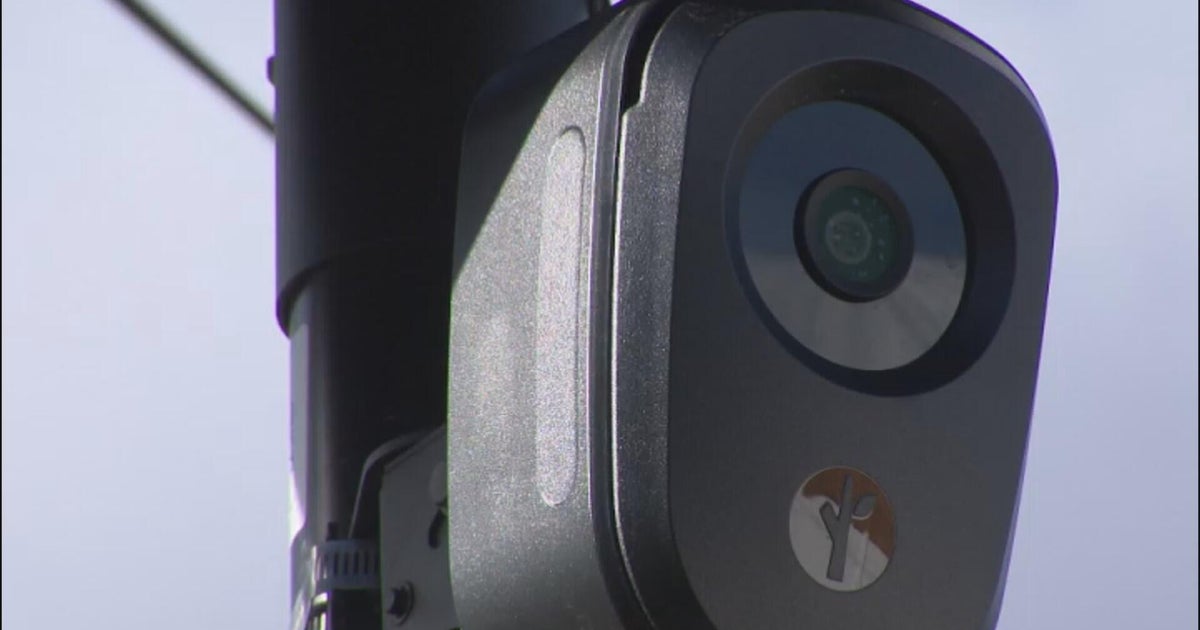
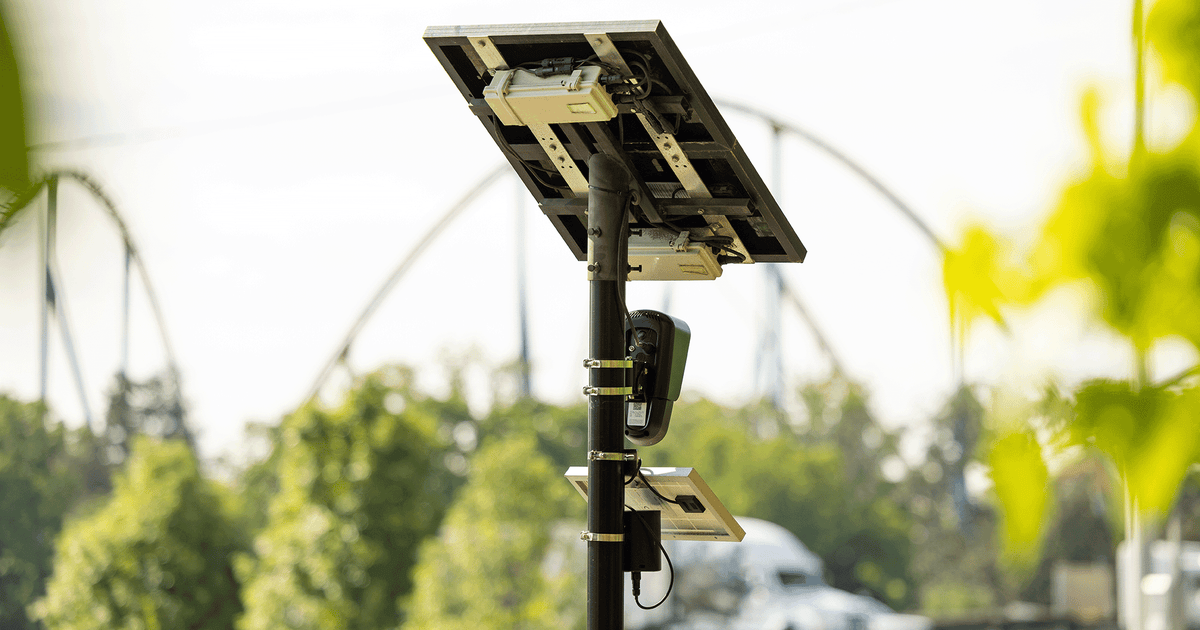
An audit of Flock Safety license plate readers found that the company inadvertently shared Ventura County's data with out-of-state law enforcement agencies, including federal agents.
The audit found that out-of-state agencies accessed the Ventura County Sheriff's Office's data more than 364,000 times between February and March last year without the department's approval or knowledge. Deputies said 299 justifications to enter the system referenced immigration enforcement, which is less than 1% of the hundreds of thousands of searches.
The Ventura County Sheriff's Office said it had disabled Flock's "National Lookup" feature in June 2023 to comply with California's law barring local agencies from sharing automatic license plate reader data with out-of-state and federal law enforcement agencies.
However, earlier this month, deputies learned that several California law enforcement agencies reported that the "National Lookup" feature had somehow been reactivated without any explanation and explanation.
"Upon discovery of the audit results, our agency immediately engaged with Flock representatives, who told us that other agencies experienced similar issues," the Ventura County Sheriff's Office wrote. "Flock further advised that due to limitations in technical logging, it was impossible to determine the specific cause."
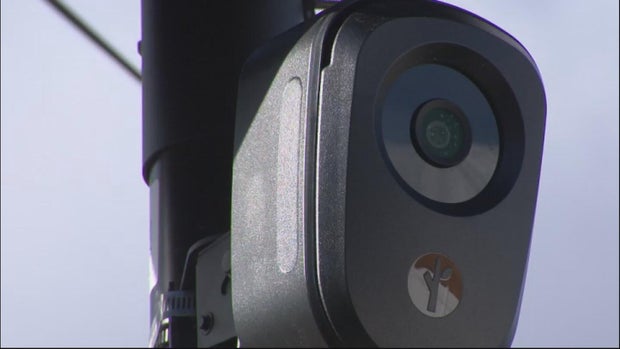
The company told deputies that someone at the Sheriff's Office or a Flock employee could have reactivated the feature, or that a system bug could have automatically activated it.
The Sheriff's Office said, "We conducted an internal investigation and determined that no one from our agency activated the national lookup feature."
"Effective immediately, we have implemented enhanced internal safeguards, including daily audits conducted by our agency to independently verify system settings and access logs," the Sheriff's Office wrote.
Flock also made internal improvements to their system to prevent the same issue and reassure the department that it "does not have any contracts with ICE or any sub-agency of the Department of Homeland Security," according to the Sheriff's Office.
"Flock has blocked federal agencies from engaging in any data sharing relationships with California law enforcement agencies," the Sheriff's Office wrote. "Flock verified that no California law enforcement agencies have the option to have their data searched by or shared with any law enforcement agency outside the state, including with federal agencies. Flock initiated features that automatically block any searches of data that use immigration related terms as a justification for the search."
The Sheriff's Office said that it will explore alternative vendors for automatic license plate readers after encountering this issue with Flock.
"This process will allow us to evaluate all available vendors and ensure that whichever system we utilize moving forward provides the highest standards of security, accountability, and functionality," the Sheriff's Office wrote. "ALPR technology remains a powerful and critical tool in combating crime and protecting our communities. Its value in identifying suspects, recovering stolen vehicles, locating missing people, and solving serious and violent crimes cannot be overstated."
Nearly all law enforcement agencies within Ventura County also took similar measures, with the Oxnard Police Department suspending its use of Flock readers.
"The Oxnard Police Department relied on Flock Safety's established security protocols. We were disappointed when Flock Safety's shortcoming, the cause of which remains without explanation, allowed unauthorized data sharing," Oxnard Police Chief Jason Benites said. "Proper guardrails must not only be in place, but they must work reliably."
On Friday, an Oakland-based firm filed a class-action lawsuit against Flock, claiming that it violated California law.
"This is the classic privacy versus law enforcement struggle," said Neama Rahmani, an attorney that is not connected to the Bay Area lawsuit. "Obviously, the more information that law enforcement has, including license plate readers, that can help them find criminals and those that are fugitives from the law. "Obviously, Californians are concerned. I will say, generally speaking, there isn't a whole lot of reasonable expectation of privacy in public."