California voters pass Prop 50 to redraw the state's congressional maps, CBS News projects
California voters have passed Proposition 50, CBS News projects, approving a measure backed by Gov. Gavin Newsom and legislative Democrats that will redraw the state's congressional districts.
The measure is intended to make five Republican-held congressional districts in California more favorable to Democrats in the 2026 midterm elections in an effort to offset redistricting efforts in Texas that flipped five Democratic House seats to Republicans.
"It was not just a victory tonight for the Democratic Party. It was a victory for the United States of America, for the people of this country, the principles that our Founding Fathers lived and died for," Newsom said in a press conference after the measure passed. "We're proud here in California to be a part of this narrative."
Proposition 50's passage drew swift reaction from high-profile opponents of the measure, including Republican political donor Charles Munger, Jr.
"For what looms for the people of California, I am saddened by the passage of Proposition 50," Munger Jr. said. "But I am content in this, at least: that our campaign educated the people of California so they could make an informed, if in my view unwise, decision about such a technical but critical issue as redistricting reform, a decision forced to be made over such a very short time."
Proposition 50 was approved by the Legislature and signed by Newsom on Aug. 21, allowing it to go before voters in a special election.
Here's what to know about Proposition 50 and California's special election.
California Proposition 50 live election results
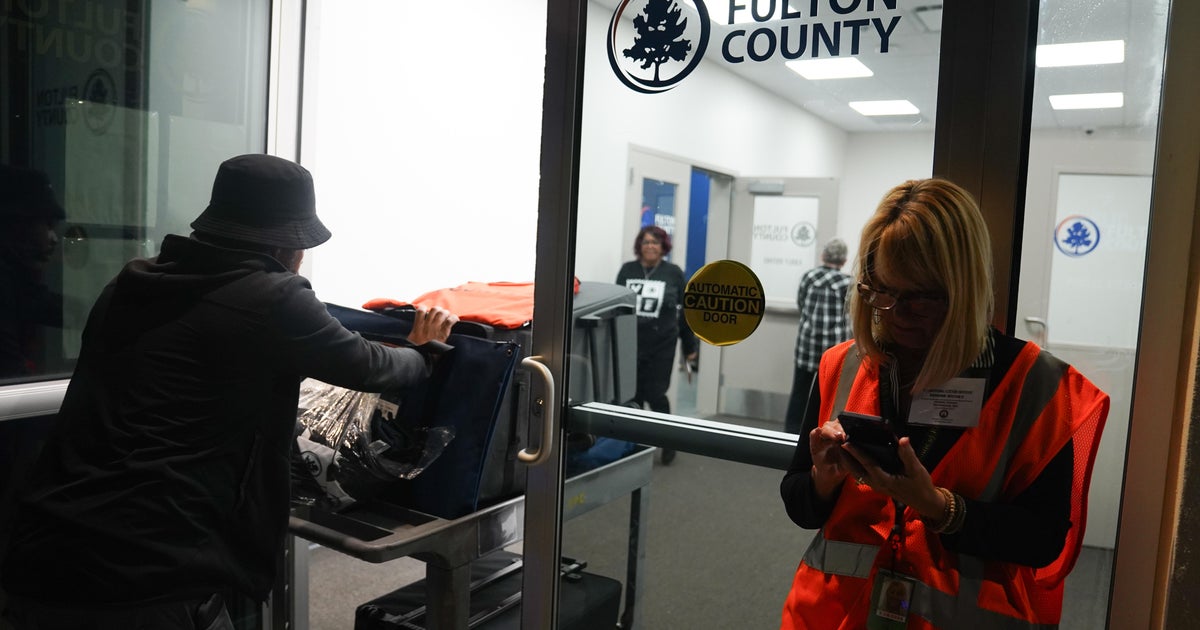
It could take several days to count all mail-in ballots, as California accepts ballots postmarked by Election Day and received within seven days.
Reactions to Proposition 50 passing
After Proposition 50 was projected to pass, reactions from both sides quickly came pouring in.
Billionaire investor Tom Steyer has been a major supporter of the measure and called its approval "an enormous victory for our state, our country and our democracy."
"In fact, voters all across the country tonight sent a clear signal tonight that when Democrats fight for working people and their interests, Democrats win," Steyer said in a statement.
Republican Congressman Kevin Kiley, whose District 3 will be heavily impacted by the redrawn district boundaries, called the measure "a symptom of our country's political divisions."
"The reason I opposed Prop. 50, even as I also oppose what's happened in other states, is because I believe fighting fire with fire burns everything down," Kiley said. "With California's new gerrymander, the redistricting arms race has no end in sight… It's a race to the bottom that degrades democracy everywhere."
Republican Congressman Doug LaMalfa, whose District 1 will also be heavily impacted by the new maps, said opponents of the measure expect to take legal action as early as this week.
"Should these results stick, the imbalance in California between rural and urban voices will get that much worse, essentially silencing our portion of the state," Lamalfa said. Those of us who support fair maps will continue to oppose Newsom's scheme, and we expect to file suit on Wednesday. I hope and expect the courts will see this for what it is-blatantly corrupt and unconstitutional."
Jessica Millan Patterson, chair of the No on Prop 50 Stop Sacramento's Power Grab campaign, expressed disappointment in the decision.
"In the end, the tens of millions poured in to promote these gerrymandered maps were too much to overcome, as Newsom put his national ambitions ahead of protecting California's voter-approved independent redistricting commission and the millions of voices now silenced," Patterson said. "Though this isn't the outcome we hoped for, we're proud to have stood for fair maps and honest representation for all Californians."
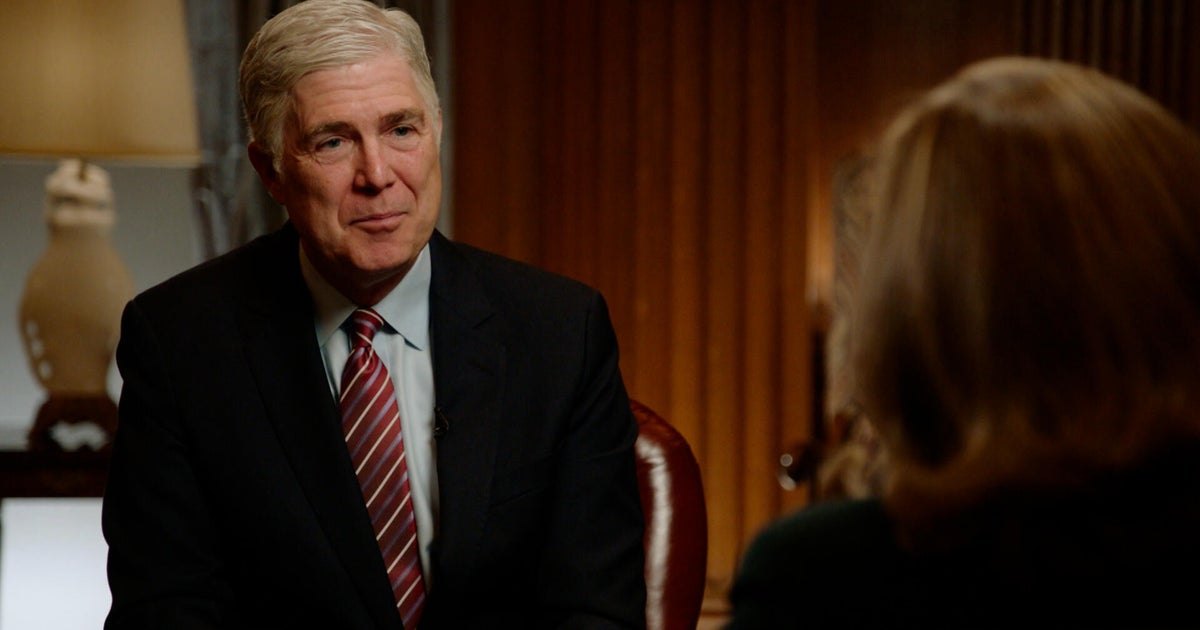
Newsom said in an exclusive interview with "CBS News Sunday Morning" that he will consider a White House run after the 2026 elections.
Ken Martin, the chair of the Democratic National Committee, called the passage of Proposition 50 "a testament to the leadership of Governor Newsom and Democrats across California who refused to back down" to the Trump administration and the Republican Party.
"When we fight, we win, and from Day One, the DNC has been proud to stand right there alongside Californians to defend democracy and deliver a message that echoes nationwide," Martin said.
Newsom also called on other states to follow California's lead and recognize "what's at stake."
"We all must contribute a verse," Newsom said. "And so we need the state of Virginia, we need the state of Maryland, we need our friends in New York and Illinois and Colorado, we need to see other states, their remarkable leaders that have been doing remarkable things to meet this moment head on as well, to recognize what we're up against in 2026."
What is Proposition 50?
Proposition 50 will allow the state legislature to replace California's current congressional district maps that were drawn by the independent California Citizens Redistricting Commission after the 2020 U.S. Census.
California Democrats have called Proposition 50 a countermeasure to Texas' recent redistricting push that was backed by President Trump.
California voters approved the creation of the independent redistricting commission in 2008 to oversee the congressional mapmaking process. The commission uses census data and public input to set district boundaries that reflect population changes and keep communities together.
If voters had rejected Proposition 50, California would have continued using its current congressional district boundaries until new maps are drawn by the redistricting commission after the 2030 Census.
Who urged voters to vote yes on Proposition 50?
Gov. Newsom and top Democratic leaders, including many who are trying to succeed him in California's 2026 gubernatorial race, have championed Proposition 50.
Other major supporters of Proposition 50 include billionaire investors George Soros and Steyer, and former President Barack Obama, who featured in a Yes on 50 campaign ad, calling on voters to approve the ballot measure.
Supporters argue that Proposition 50 defends democracy and restores fairness after redistricting efforts in GOP-led states like Texas.
Who urged voters to vote no on Proposition 50?
Former Republican California Gov. Arnold Schwarzenegger has criticized the redistricting effort, saying the initiative "doesn't make sense." Schwarzenegger has also appeared in ads that oppose Proposition 50.
Others who oppose the initiative include Munger, Jr., who contributed more than $32.7 million, and House Speaker Kevin McCarthy.
Opponents argue that Proposition 50 is gerrymandering and that California should maintain its standard for fair redistricting through independent, citizen-led redistricting.
How Proposition 50 got on the ballot
Proposition 50 was placed on the ballot by the California Legislature earlier this year.
Lawmakers approved the measure during a special session in August, and Newsom's signature set the stage for this statewide special election.
Which California districts would change with Proposition 50?
Among California's 52 congressional districts, Democrats represent 43 while Republicans represent nine.
Proposition 50 was created to redraw congressional districts to make five of them currently held by GOP House members more favorable to being won by Democrats in next year's midterms. Still, there is no guarantee that Democrats will win the seats even though voters have approved the new maps.
The five Republican-led congressional districts in the crosshairs under Proposition 50 are Rep. LaMalfa's District 1, Rep. Kiley's District 3, Rep. David Valadao's District 22, Rep. Ken Calvert's District 41, and Rep. Darrell Issa's District 48.
Who is running for California's new districts?
Former California senator and physician Dr. Richard Pan announced he is running for California's new District 6. The new District 6 includes parts of Sacramento, North Highlands and Roseville. Pan, a Democrat, had previously announced that he was running for District 3, an area that includes Rancho Cordova, Folsom and the Lake Tahoe area.
Rep. Ami Bera announced minutes after the passage of Proposition 50 that he would be seeking re-election for California's new District 3. Bera, a Democrat, currently represents District 6 and said he has represented about 60% of the new District 3 at some point during his time in Congress.
District 8 Rep. John Garamendi said he would seek re-election in his district, which is now expanded to include Vacaville, Rio Vista, Western Lodi and south Davis.
Republican Rep. Ken Calvert said he will run for the new 40th Congressional District. Calvert currently represents District 41, an area that includes Riverside County cities such as Corona, Palm Springs and Lake Elsinore. Calvert said he's represented 70% of the new District 40, such as Lake Elsinore, Wildomar and Temescal Valley.
Hours after Calvert's announcement, Rep. Young Kim said she will run for re-election in District 40, setting the stage for a showdown between two Republicans in the 2026 midterm elections.