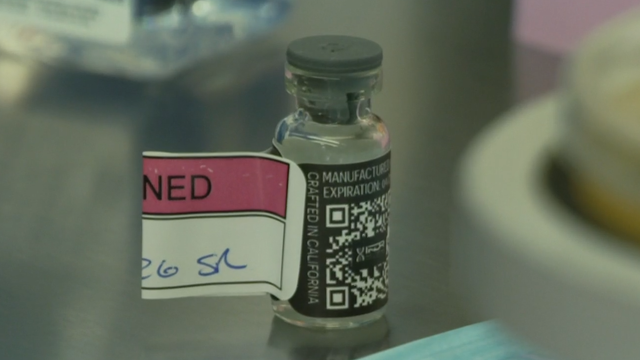
Hospitals overwhelmed by pediatric patients with respiratory virus
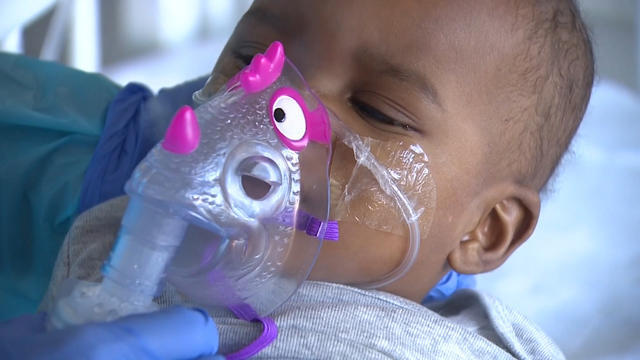
Hospitals in 33 states are seeing a dramatic rise in children suffering from the respiratory syncytial virus.
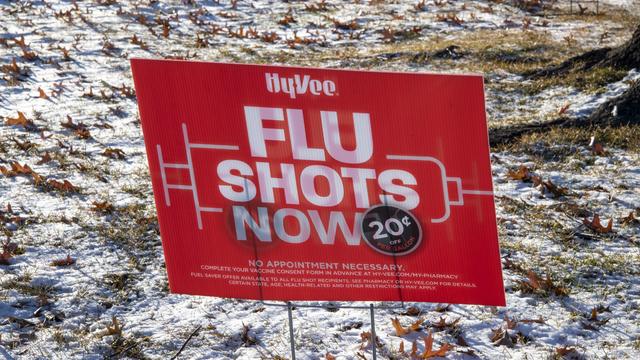
Watch CBS News
Hospitals in 33 states are seeing a dramatic rise in children suffering from the respiratory syncytial virus.
Health officials are worried about a false sense of security after two milder flu seasons due to COVID precautions.
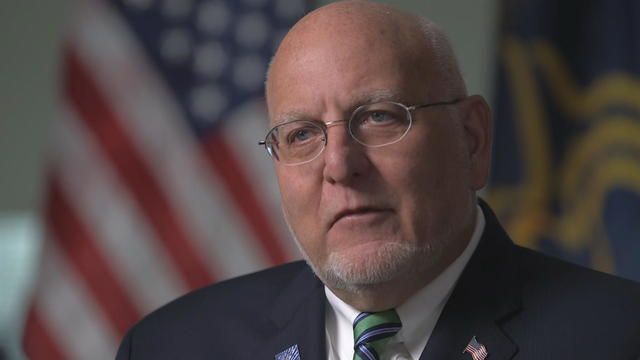
Dylan Winnick, 12, is among the latest victims of the widespread flu epidemic. The flu has killed more than 30 children nationwide since October. Dr. Tara Narula reports.
A 6-year-old in West Virginia is among the latest victims of the deadly flu epidemic. More than 30 children have died from the flu this season, according to the CDC, compared to 17 deaths the same time last year. Dr. Tara Narula joins "CBS This Morning" to discuss symptoms and offer advice on hygiene practices to prevent the flu from spreading.
The deadly flu season has hit younger Americans particularly hard as pediatric deaths are on the rise. The CDC reports 30 children have died from influenza since October - and the number of states hit with high flu-like illness is now up to 32. Nikki Battiste reports.
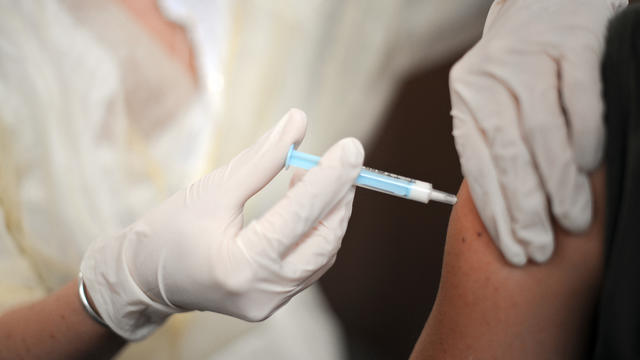
Widespread flu activity has been reported across the United States during this particularly harsh flu season, but doctors say you should still get a flu vaccine. Dr. Alexandra Sowa, internist at MyMD Medical Group, joins CBSN to explain why the flu virus is spreading so fast, and why a flu shot can still prevent you from getting sick.
Missouri is one of the states hardest hit by this year's flu epidemic. CBS News correspondent Dean Reynolds got a look at what doctors are doing to respond.
A government shutdown could affect the nation's response to the most widespread flu season in recent years. If a funding bill is not passed, the agency will likely furlough a majority of its staff, including those who monitor the virus. Some school districts in Texas have shut down because of the flu. Omar Villafranca reports.
Nico Mallozzi, a 10-year-old boy, is among the latest deaths in the ongoing flu outbreak. According to the CDC, widespread flu activity is now reported in every state except Hawaii. Dr. Tara Narula reports.
The Centers for Disease Control and Prevention says the flu virus is now considered to be an epidemic, based on its medical impact.
Flu season is here and its impact is being felt across the country. According to the most recent numbers from the Centers for Disease Control and Prevention, every single state, except Hawaii, is reporting widespread influenza activity, up significantly from the same time last year. Dr. David Agus joins "CBS This Morning: Saturday" to discuss why this season is particularly bad, some of the challenges hospitals face in dealing with the influx of patients and a recent open letter from some Apple stakeholders calling on the tech giant to address the negative outcomes of its products on children.
U.S. health officials say this year's flu outbreak is now widespread in every state except Hawaii. CBS News' Danielle Nottingham has the latest.
The U.S. is being hit with one of the worst flu seasons in years, with 45 states reporting widespread illness, according to the Centers for Disease Control and Prevention. That's four times as many as this time last year. Here are some ways to prepare for this year's flu season.
This flu season is looking like a bad one, and children can be at risk of serious complications. KHOU-TV's Lauren Talarico reports from Houston, where the illness is spreading fast.
The Centers for Disease Control and Prevention reports the flu is widespread in 46 states. Some hospitals are setting up emergency tents to handle the high volume of patients. Meanwhile, some hospitals are dealing with a shortage of IV bags after Hurricane Maria cut power to manufacturing plants in Puerto Rico. Michelle Miller reports.
Flu season is off to a nasty start across the country, resulting in a spike in hospital visits. CBS News chief medical correspondent Dr. Jon LaPook explains why it's been hard to get under control.
Widespread flu activity is plaguing 23 states, and doctors are preparing for conditions to get worse. CBS News chief medical correspondent Dr. Jon LaPook reports.
U.S. health officials say there are signs that this may be a rough flu season. Over 7,000 cases have been confirmed, which is more than double what they were this time last year. Dr. Pardis Sabeti, a Harvard professor and an infectious disease expert, joins "CBS This Morning" to discuss how effective the flu vaccine is this year and what to expect this winter season.
Last year, Americans reportedly spent nearly $6 billion on remedies for runny noses and sore throats. But over-the-counter medications can have risks. High doses of acetaminophen send nearly 60,000 people to the emergency room each year. Consumer Reports deputy editor Lisa Gill joins "CBS This Morning" to offer practical tips for the cold season.
Many people avoid getting a flu shot because they fear needles. So researchers in Atlanta have created a flu vaccine patch. Dr. Jon LaPook reports.
A new study from the CDC shows getting a flu shot significantly reduces a child's risk of dying from the flu. CBS News' Wendy Gillette has the story of one New Jersey family that learned just how serious the illness can be.
The CDC reports around 14,000 people are catching the flu every week as the virus spreads nationwide. CBS News medical contributor Dr. Tara Narula joins CBSN with the latest on this year's flu season.
The number of flu cases is surging across the country. The latest figures from the CDC show the virus is "widespread" in 43 states. There are 14,000 new cases a week, and at least 20 children have reportedly died from the virus since late 2016. Dr. Tara Narula joins "CBS This Morning" to discuss the threat.
Health officials say flu activity is picking up around the country, and the number of cases is expected to keep increasing over the coming weeks. CBS News' Kenneth Craig reports.
Some medical experts are suggesting people should wait until late October to get their flu shot. They argue this would allow for optimal protection. CBS News medical contributor Dr. David Agus joins CBSN to weigh in on the debate.