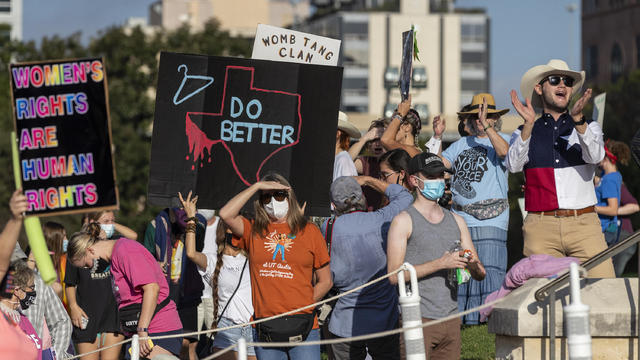
Texas Supreme Court paves way for strict abortion law to stay in place
The ruling is the latest defeat for Texas abortion providers, which have now lost at both the U.S. Supreme Court and the state's highest court.
Watch CBS News
The ruling is the latest defeat for Texas abortion providers, which have now lost at both the U.S. Supreme Court and the state's highest court.
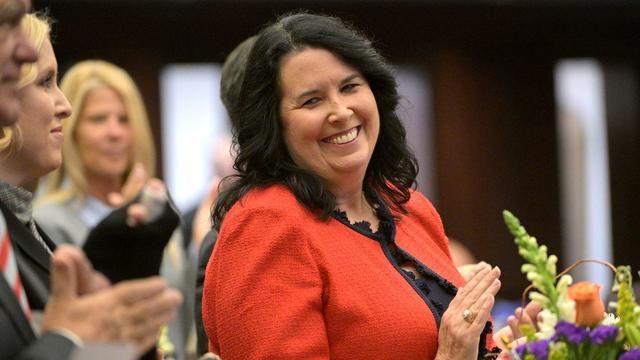
Governor Ron DeSantis previously signaled his support for the proposal and is expected to sign it into law.
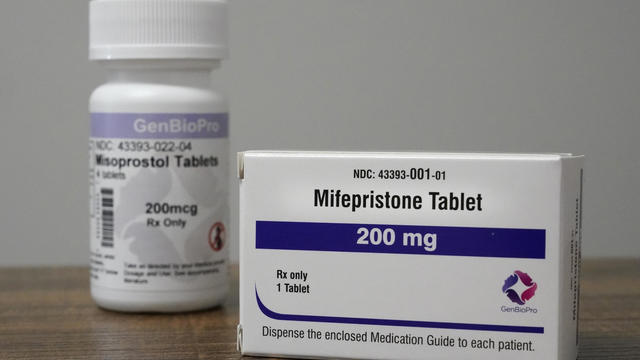
More than half of U.S. abortions are now done with pills rather than surgery, an upward trend that spiked during the pandemic with the increase in telemedicine, a new report shows.
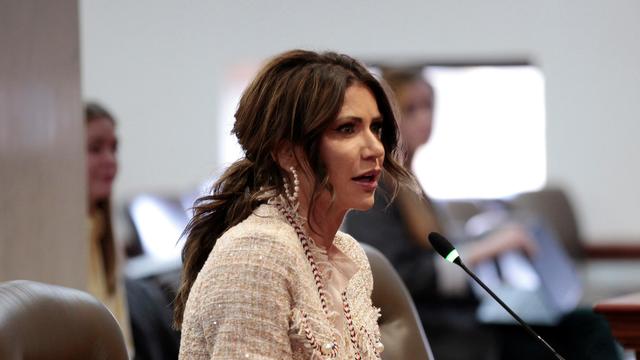
"D.C. does stuff like that, not South Dakota," Governor Kristi Noem said after lawmakers declined to consider her proposal.
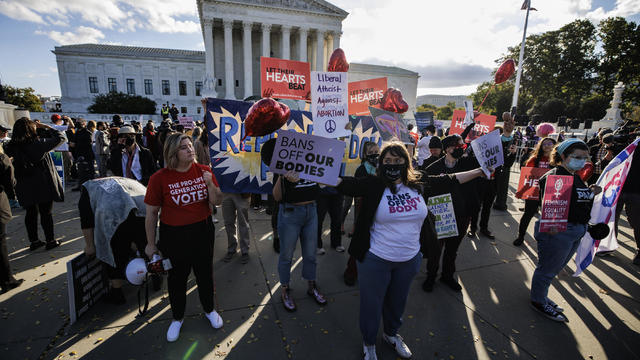
The move means the Texas ban is likely to remain in effect for the foreseeable future.
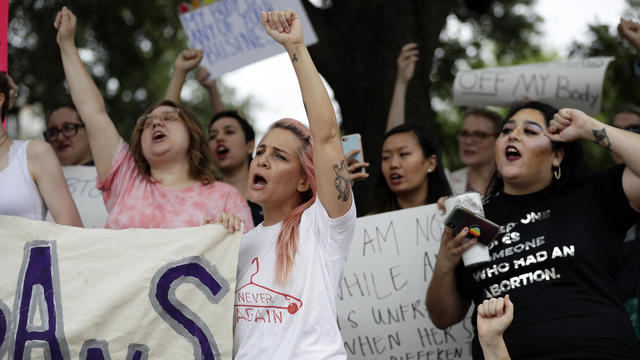
Federal appeals court sends case against them to state's Supreme Court, which is controlled entirely by Republican justices.

The fire was the second time the clinic was targeted last year. Someone fired a shotgun at the clinic's doors in January, shattering glass and leaving holes in the reception area.
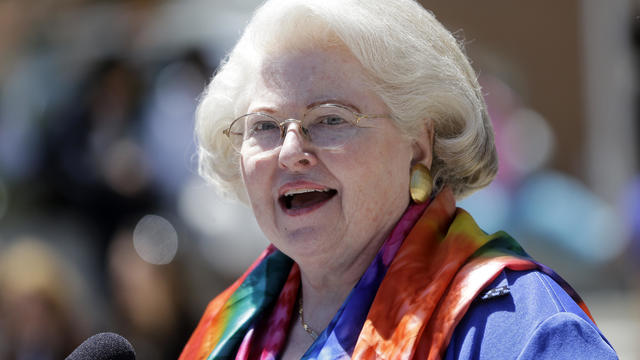
Weddington was just a few years out of law school when she took up the class action suit on behalf of a woman seeking an abortion.
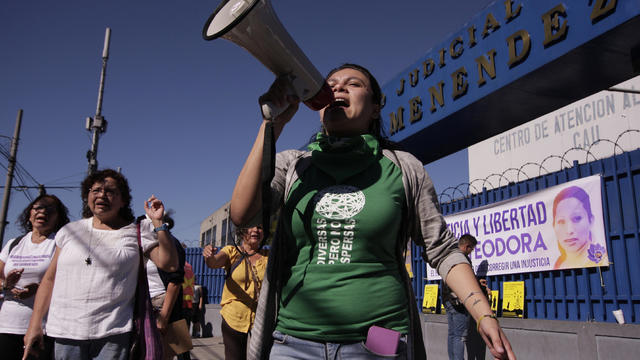
The women had been sentenced to 30 years in prison under the nation's strict anti-abortion laws after suffering obstetric emergencies, activists said.
Prescribing will still be limited to doctors who complete special certification.
In a separate opinion, the Supreme Court dismissed a challenge to the Texas law brought by the Justice Department.
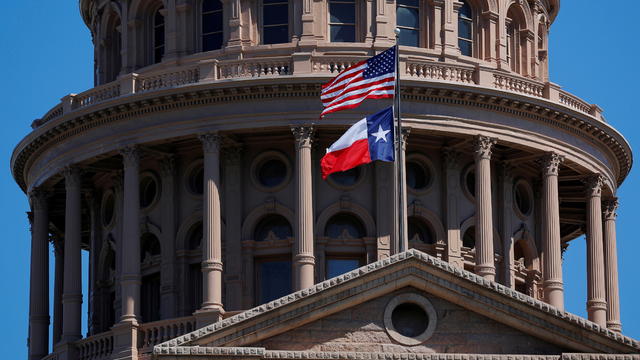
Planned Parenthood celebrated the ruling but said abortion services still remain "virtually inaccessible" in Texas.
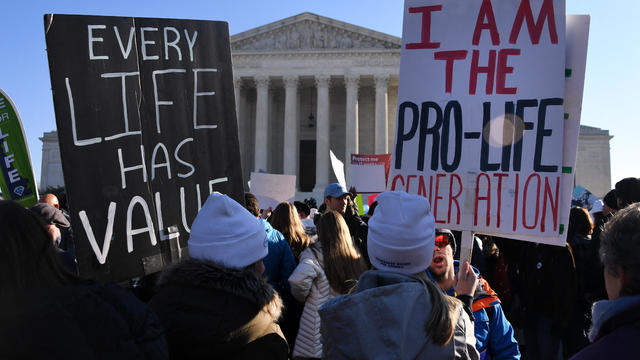
A dozen states have so-called "trigger bans" on the books, in which most abortions would be outlawed if the Supreme Court reverses Roe v. Wade.
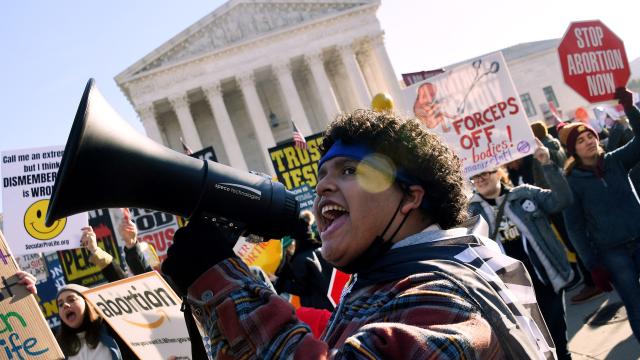
The nation's top court heard oral arguments in a challenge to Mississippi's 15-week abortion law, which many see as a bid to overturn Roe v. Wade.
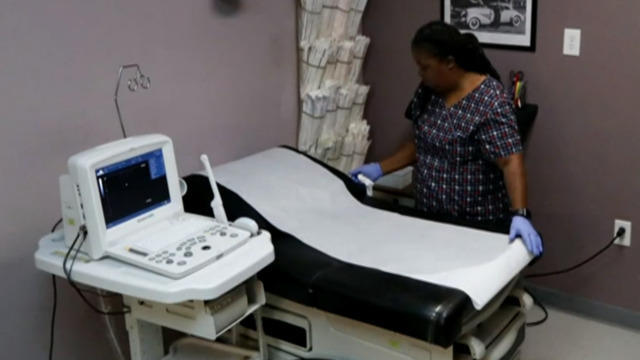
The Supreme Court has agreed to fast-track challenges to the new abortion law in Texas. The justices will hear arguments November 1. But for now, the Texas law remains in effect. Ed O'Keefe has the details.
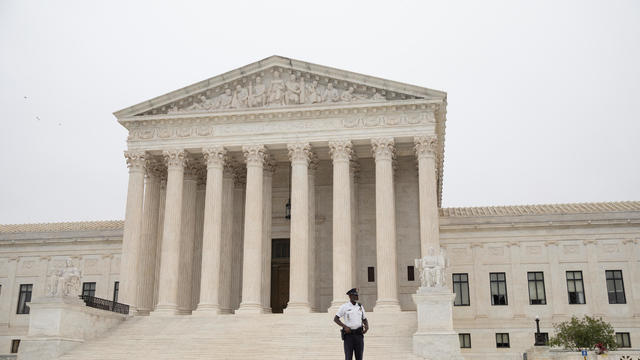
Texas officials urged the Supreme Court to deny the request from the Biden administration to block enforcement of its law banning most abortions after about six weeks of pregnancy.
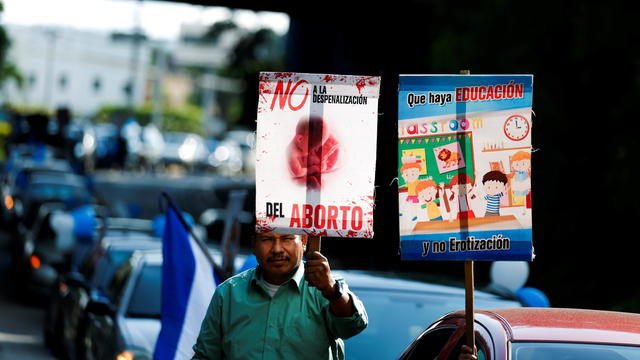
Congress members voted overwhelmingly against a petition filed by women's rights activists, who had challenged laws that make terminating pregnancy illegal in all cases.
The Biden administration on Monday asked the Supreme Court to block enforcement of the Texas abortion ban.
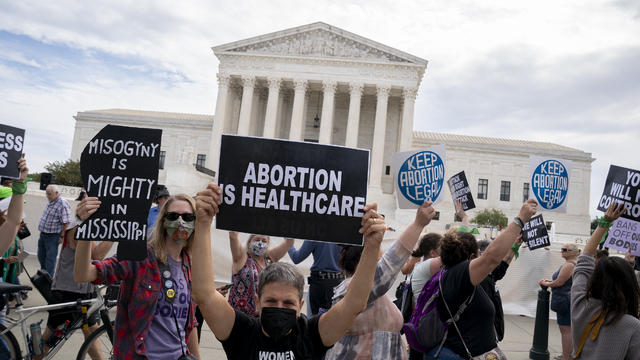
In a filing Monday, the Biden administration argued Texas "successfully nullified this court's decisions within its borders."
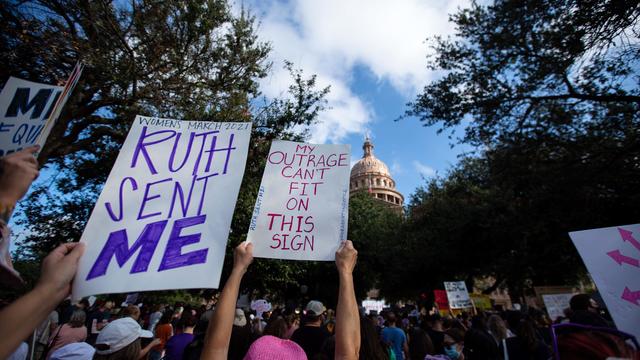
The law bans abortions once cardiac activity is detected, around six weeks.

With abortion restrictions increasing in many states, and with a conservative Supreme Court primed to decide on Roe v. Wade, access to the procedure in the future is unclear, and the return of "back-alley abortions" is feared.
"This Court will not sanction one more day of this offensive deprivation of such an important right," the order from Judge Robert Pitman reads.
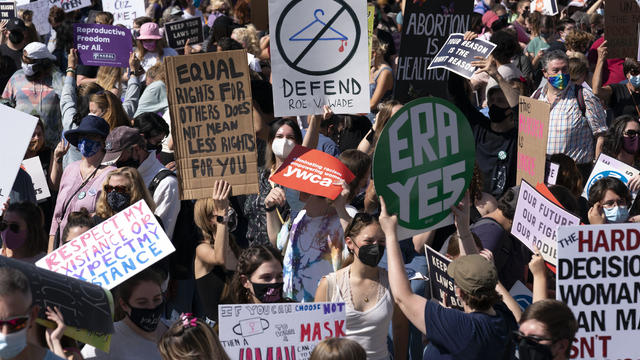
The fifth annual Women's March returned with a message focused on abortion rights.
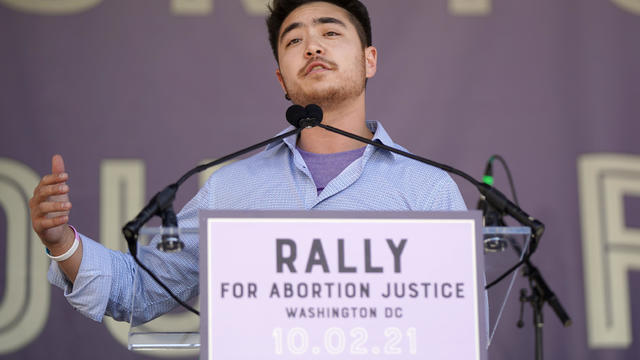
"This is a women's issue, and it is also a transgender man's issue," he said. "People of all genders should have safe and legal access to abortions."
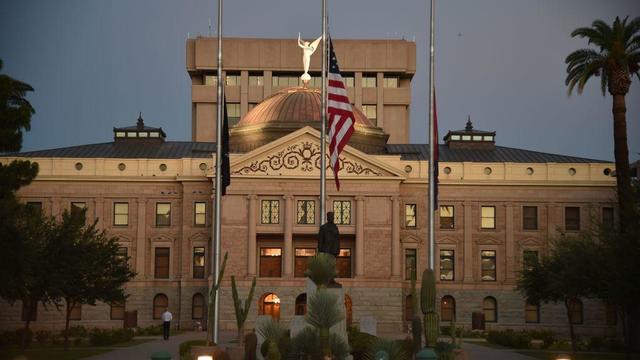
The new law would have let prosecutors bring felony charges against doctors who knowingly terminate pregnancies solely because the fetuses have a genetic abnormality