Things that go bump in the cold: What is a frost quake?

A frost quake, or a cryoseism, might sound scary, but it is a fascinating phenomenon. To understand a frost quake, we have to go back to grade school science.
Water expands when it freezes. Specifically, water expands by about 9% when it turns into ice.
Usually, when the ground freezes, this happens slowly enough that the soil can adjust. But sometimes, Mother Nature gets a little impatient.
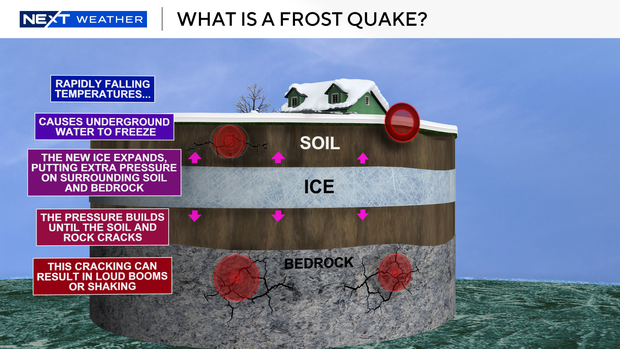
Here is the step-by-step breakdown:
- Saturation: The ground is saturated with water
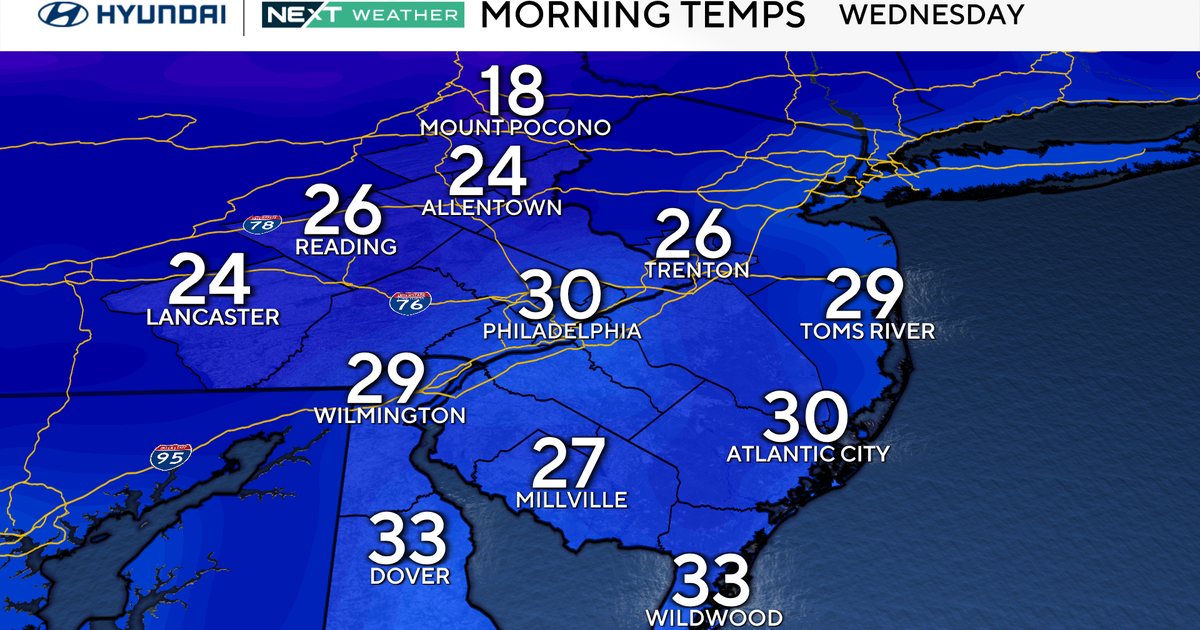
- Flash Freeze: The temperature drops rapidly, we're talking a nosedive in a matter of hours.
- Pressure Cooker: The water in the soil freezes so fast that it expands rapidly, putting immense pressure on the surrounding rock and soil.
- The Crack: Eventually, the rock and soil can't handle the stress anymore, and the ground has a sudden, small pressure crack far beneath the soil.
That rupture creates a sudden release of energy, resulting in a loud boom. The sound of a frost quake is usually much worse than its bite.
If you hear a loud sound on a frigid night, don't panic. It's just the ground shivering a little too hard.
Go back to sleep knowing you've witnessed one of winter's weirdest wonders.