Wayne County health officials confirm first West Nile virus-related death in 2025
Wayne County health officials on Tuesday reported the county's first death associated with a human case of West Nile virus in 2025.
The deceased was an older adult who had underlying health conditions, according to officials.
So far, there have been 17 reported cases of the West Nile virus in Michigan this year, including three in Wayne County. In August, a West Michigan resident died from the virus.
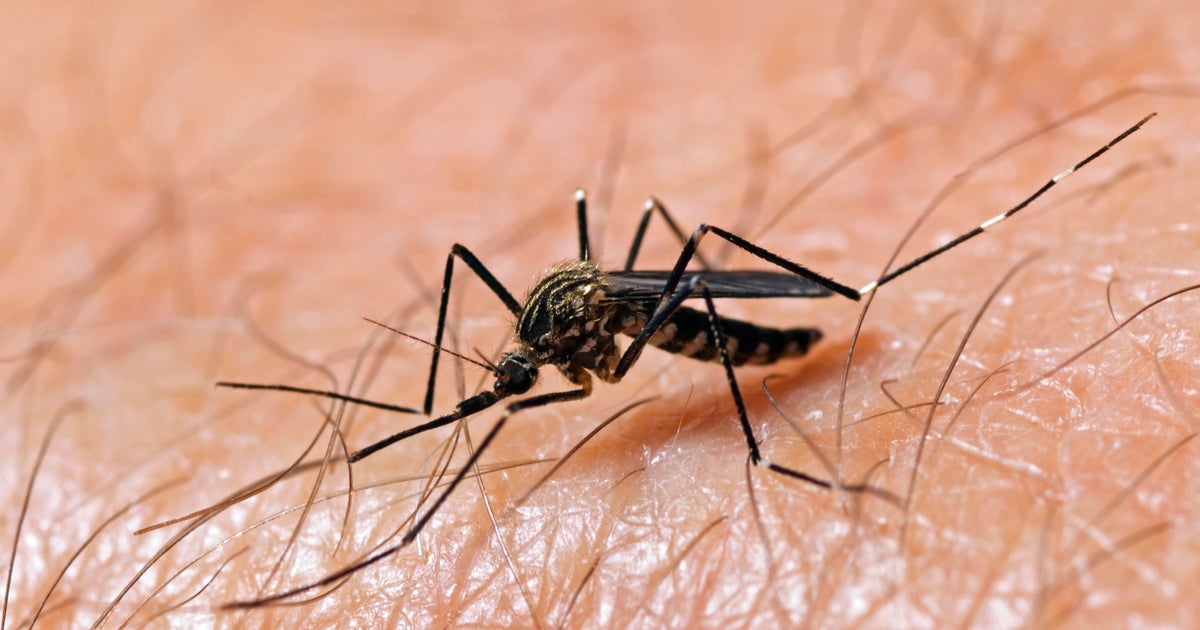
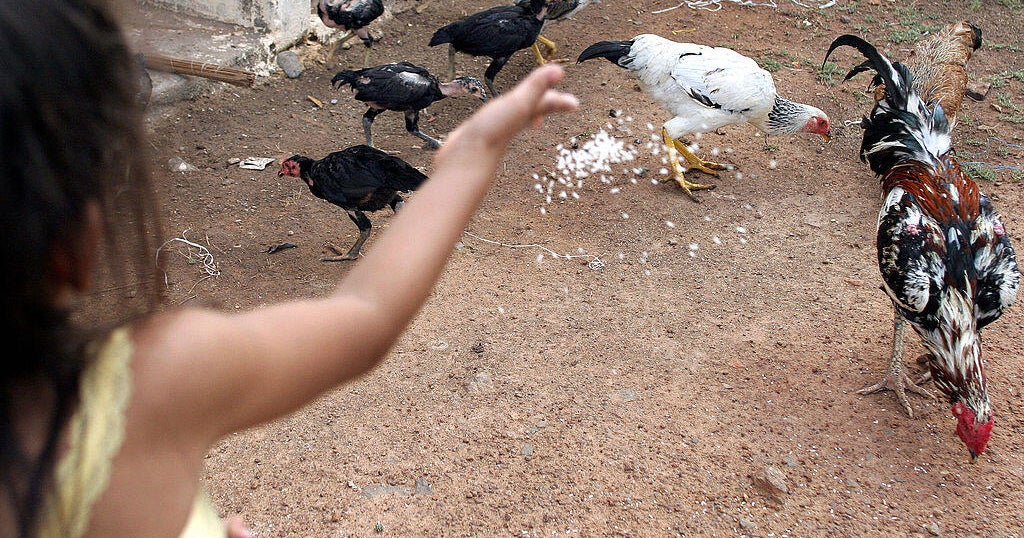
West Nile virus is a mosquito-borne virus. Mosquitoes become infected with the virus by biting an infected bird and can spread the virus to a human through a bite.
"This tragic loss is a reminder that West Nile virus can have serious consequences and why prevention is so vital," said Dr. Avani Sheth, Chief Medical Officer, in a statement. "We urge residents to take simple, effective steps—like using insect repellent and draining standing water—to protect yourself and your loved ones."
In Michigan, West Nile virus typically peaks in late August and early September, but health officials say cases can occur from summer through early fall.
Health officials say that the best protection against the West Nile virus is prevention, as there is no vaccine or specific treatment for the virus.
What are the symptoms of West Nile virus?
Most people who are infected with West Nile virus do not experience any symptoms or have a mild illness that could include a fever, headache and body aches. However, in some people, West Nile virus can cause serious disease-causing inflammation and swelling of the brain. When an illness is present, it typically begins two to six days after a mosquito bite.
People over 50 are more likely to develop serious or life-threatening symptoms of West Nile virus.
How can you protect yourself against mosquito-borne viruses?
Health officials recommend the following tips to protect you and your family from mosquito-borne illnesses like West Nile virus.
- Limit outdoor activity from dusk to dawn when mosquitoes are most active. Maintain window and door screens to keep mosquitoes out of buildings.
- Do not prop open doors.
- Treat standing water that cannot be eliminated, such as retention ponds or drainage ditches, with a mosquito larvicide. Mosquito larvicide is easy to use and can be purchased at most home improvement stores.
- Wear protective clothing such as long-sleeved shirts and pants.
- Turn over any type of container that can collect water. Once a week, empty out items that hold water, such as tires, buckets, planters, toys, pools, birdbaths, pet bowls, flowerpots, and trash containers.
- Clean clogged roof gutters, particularly if leaves tend to plug up the drains.
- Be careful using repellent on the hands of children, as it may irritate the eyes and mouth. Get rid of mosquito breeding sites by removing standing water around your home.
- Use an Environmental Protection Agency (EPA) registered insect repellent. All EPA-registered insect repellents are evaluated for safety and effectiveness and will contain DEET, picaridin, IR3535, Oil of Lemon Eucalyptus or para-menthane-diol as the active ingredient. Repellents containing a higher percentage of the active ingredient typically provide longer-lasting protection. Always follow the product label instructions.