Proactive steps to prevent pipe freezes and furnace failures
In these bitterly cold temperatures, it's not uncommon for pipes in your home to freeze or your furnace to fail.
To prevent this from happening to you, CBS News Detroit spoke with Metro Detroit professionals.
On an average winter day, Gerald and Tina Harten with Drain Defenders service five to seven calls. In extreme, arctic temperatures, that number skyrockets.
"You can be running 24 hours, 32 hours straight just thawing pipes," said Gerald Harten.
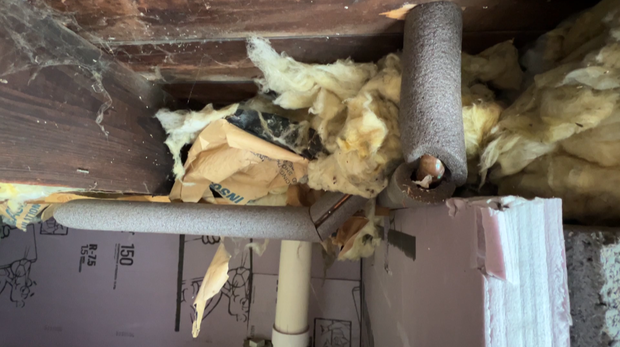
The biggest culprit they see is improper insulation and drafts, the problem they witnessed at a home the duo serviced on Monday.
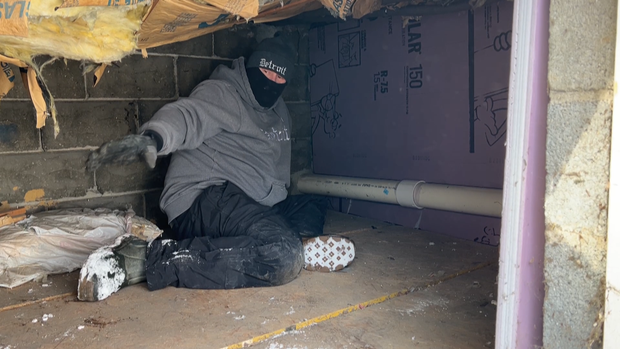
"You see how you have pipes right here. This stuff? That's not insulation. This is called armor flex. This is for condensation. There's no protection. There's nothing sealing it from the outside elements. It will not keep your pipes from freezing, ever," Gerald Harten said.
So, how can you be proactive before pipes freeze? Open cabinet doors under sinks to allow pipes access to heat, turn the water on a trickle to keep it flowing, and make sure there's correct insulation.
It's also recommended to use caulking to stop drafts or an alternative source like heat tape. It's also very important to disconnect hoses.
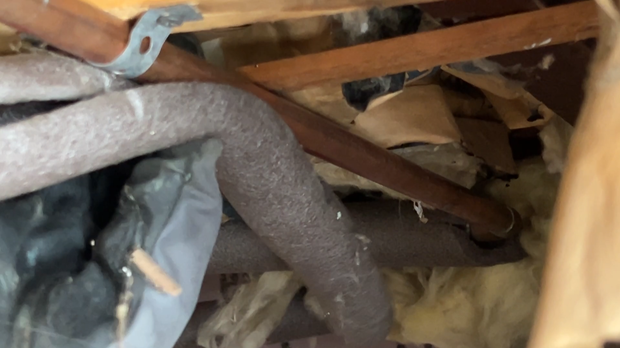
However, Gerald Harten says, once a pipe is frozen, never let it sit. The more damage it can cause.
"The pipes can burst, split, they can flood out attics, houses," he said.
Gerald Harten says to always know where the water shutoff is located to isolate a potentially bigger problem. Ultimately, his advice is to call a professional to pinpoint the frozen pipe.
Furnace failures are also a major problem in this brutal weather. HVAC manager Chris Downs with Cregger Plumbing, Heating and Cooling says that on an average winter day, his team will service six to twelve calls, but lately, they're swamped.
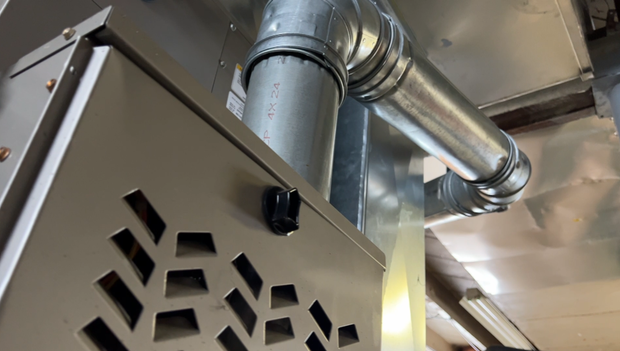
"We typically can run anywhere between 20 and 30 calls a day," said Downs.
Downs says maintenance issues are what his crew sees the most.
"After that, just old age systems that have other underlying issues, and when it gets really cold, and the unit gets stressed, that's when they start to fail," said Downs.
When furnaces run overtime like they are now, smaller problems get worse.
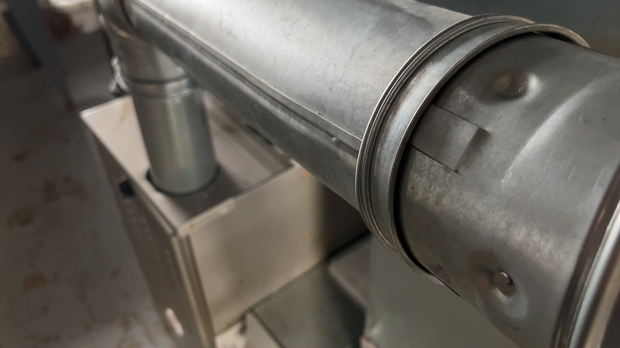
"So many of these problems can be solved with just doing proper maintenance," Downs said.
Professional tune-ups at the end of summer and beginning of winter, along with changing the furnace filter once a month, is what Downs recommends homeowners do to be proactive.
"That alleviates, I would probably say about 30 to 40% of the issues that we run into when it gets really, really cold like this," Downs said.