Gerber started as an idea in Michigan. Today, the baby food company is part of American history

In Fremont, Michigan, the Gerber factory skyline is more than an industrial landmark. For many families, it represents generations of work, pride and purpose.
Inside the plant, photographs of employees' children line the walls, a reminder of why the work matters to those who pass through every day.
"We recently just brought on a sixth-generation employee to the factory," said Gerber factory manager Joe Lazzaro. "It just goes to show you how important the legacy is."
The story of Gerber began nearly a century ago. In 1927, Dorothy Gerber grew frustrated with the time and effort it took to hand-strain fruits and vegetables for her baby. She suggested to her husband, Daniel, that their Fremont canning factory could help parents by doing the work for them. By 1928, Gerber was born.
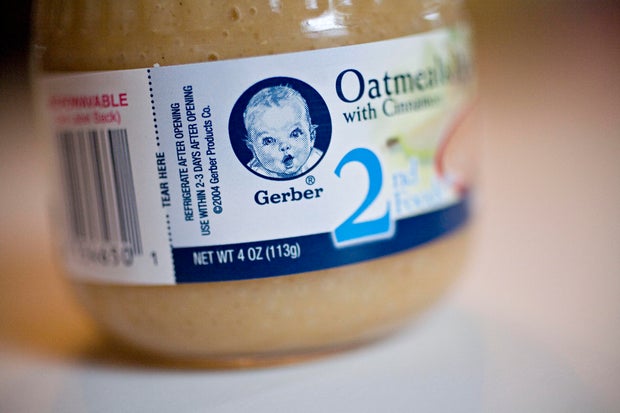
In nearby Newaygo, Michigan, pieces of the company's earliest history are preserved.
There, you can read about how the Gerber baby logo originated from a company contest to find a face for the brand. The winning entry was a charcoal sketch created by artist Dorothy Hope Smith of a baby named Ann Turner Cook. Though the image became famous worldwide, Cook's identity as the Gerber baby was kept secret for 50 years.
While the brand is rooted in history, innovation continues at Gerber's research and development center in Fremont. Inside, developers work in a full mock home complete with a kitchen, living room and playroom, designed to mirror the environments parents and babies experience every day.
Malinda Jackson, who has been with the company for more than 20 years, leads the department.
"Even as the head of the R and D center, I'm spending part of my time going into consumers' homes and interviewing them," Jackson said.
Those conversations have helped shape new products as feeding trends evolve. With baby-led feeding becoming more popular, Gerber developed its Pick-Ups line, designed to be easy for little hands to grasp while still safe to chew and swallow.
The company now reaches families in 80 countries, but its foundation remains firmly planted in Michigan.