Volunteers honor MLK Day with environmental service across Atlanta
Hundreds of Atlantans spent Martin Luther King Jr. Day giving back to their community in a way they say reflects the heart of Dr. King's legacy, by serving side by side in one of the city's largest urban forests.
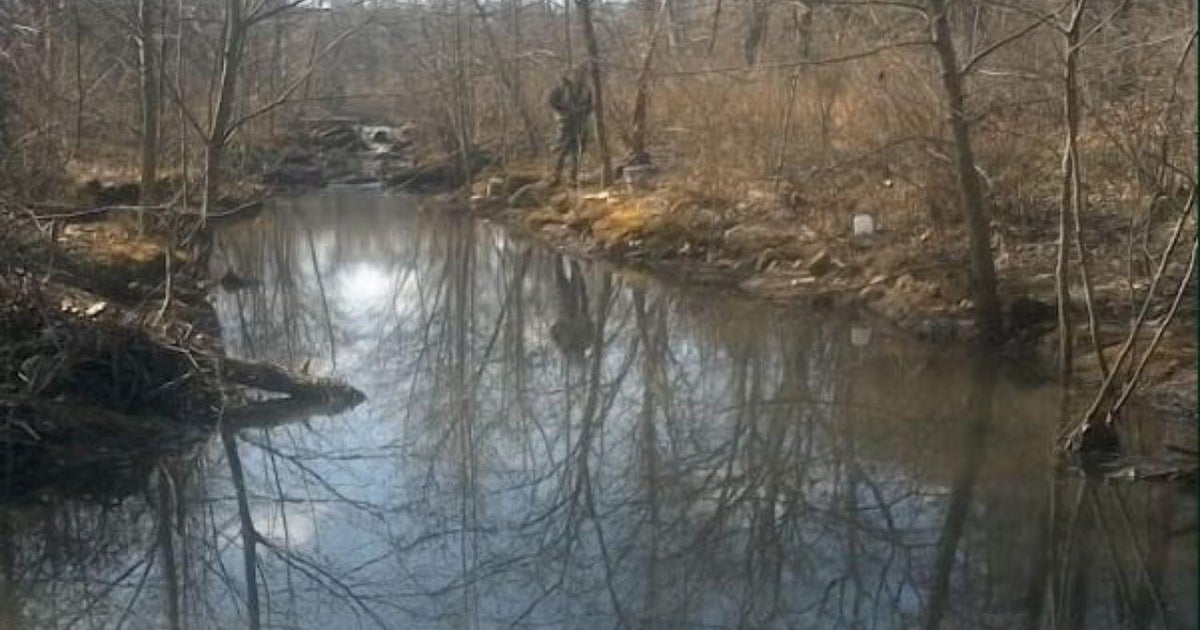
More than 600 volunteers gathered at the Utoy Creek Watershed, a 25-acre stretch of urban woodland near Atlanta's West End owned by the city and maintained by the West Atlanta Watershed Alliance. Volunteers also worked at two additional sites across the city, removing invasive plants, collecting litter, and restoring forest land.
Much of the work focused on pulling out English ivy, an invasive vine known for slowly killing trees, and clearing debris that chokes the forest floor. While environmental cleanup is not often discussed in the context of civil rights, organizers said the service reflects Dr. King's call to action.
"I think MLK is always really about giving back, especially in any way that you can," volunteer Therann Schwartz said. "Sometimes people like to think that giving back could be a financial thing, but it can be something as simple as just going out into the woods and taking out some invasive species so other plants can grow."
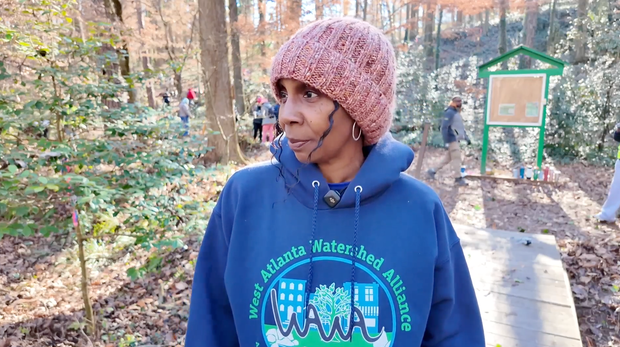
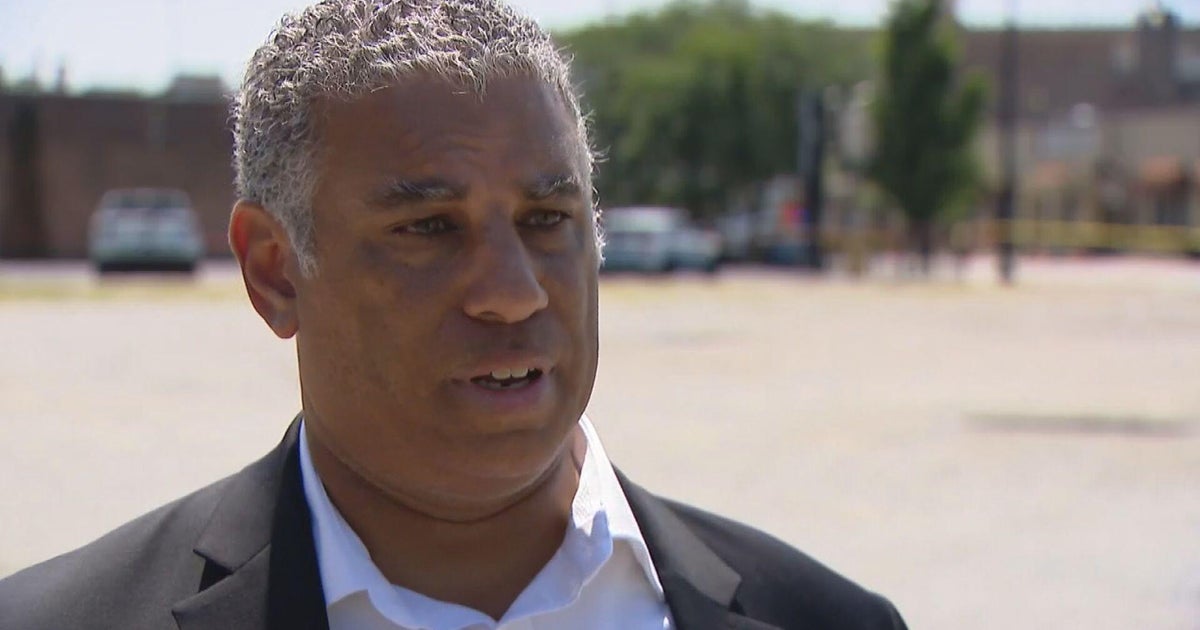
The Utoy Creek Watershed is one of several urban forests the West Atlanta Watershed Alliance protects year-round with the help of volunteers. Dr. Na'Taki Osborne Jelks, the organization's co-founder and executive director, said the work goes beyond beautification.
"People are connecting to each other," Jelks said. "Really elevating what Martin Luther King Jr. was about. He was about serving his community, and we're giving folks an opportunity to engage in that today."
Environmental work may seem far removed from Dr. King's legacy, but historians often credit him with helping lay the foundation for the modern environmental justice movement.
On April 3, 1968, Dr. King traveled to Memphis to support striking sanitation workers who were protesting unsafe working conditions and years of neglect. Speaking to the workers that night, King urged them to stay committed, saying, "We've got to give ourselves to this struggle until the end."
The following day, Dr. King was assassinated. Two weeks later, the workers secured higher pay, union recognition, and safer working conditions.
"Dr. King's work and his legacy are all about standing up for communities, fighting for communities, and rolling up our sleeves and working side by side," Jelks said. "Not only to envision, but to make sure we have a sustainable future for generations to come."