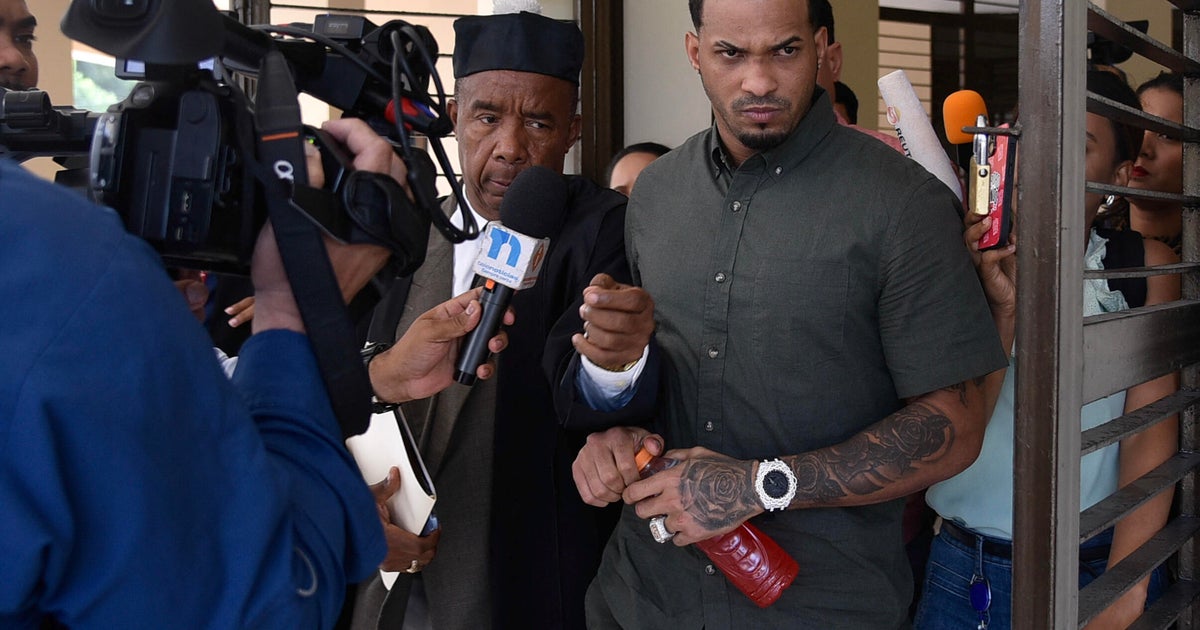
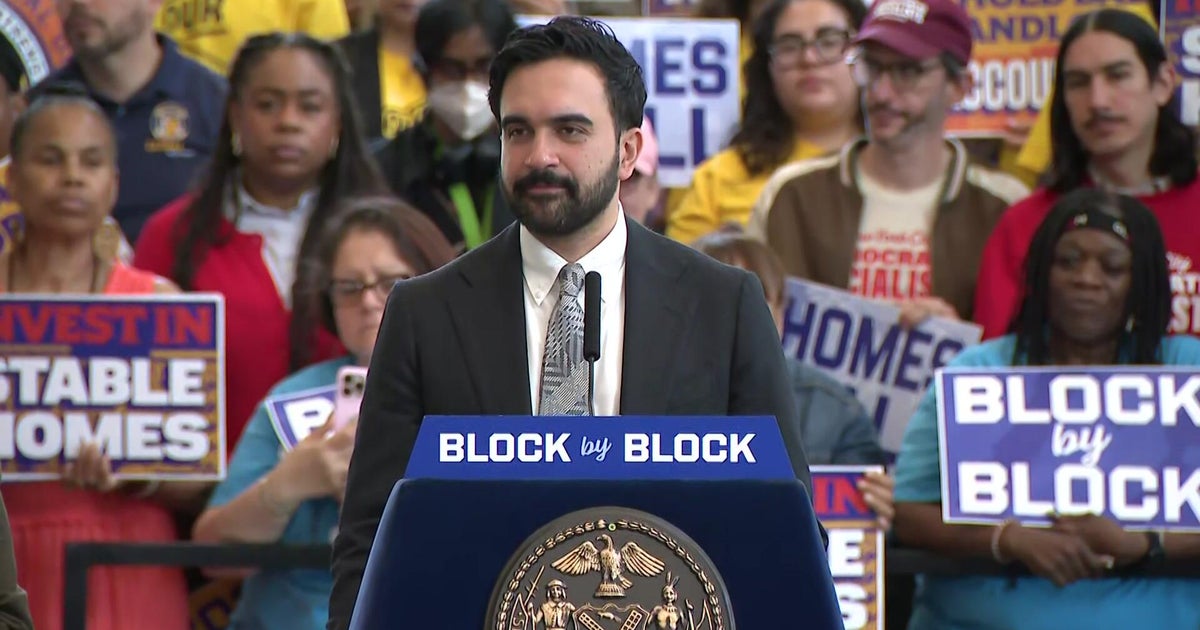
Former Detroit Mayor Kwame Kilpatrick asks judge to pull back restitution amount

Former Detroit Mayor Kwame Kilpatrick is asking a judge to grant him permission to travel and to end his supervised release conditions.
He has also asked the court to significantly cut the amount of restitution remaining due, claiming that the balance should be only $155,000. The original order was for $1.7 million in restitution, some of which has been cleared by payments and forfeitures.
Kilpatrick filed the motion Monday in the U.S. District Court, Eastern District of Michigan, citing the cases filed against him, including extortion, wire fraud and income tax evasion convictions in 2013. He was sentenced to 28 years in jail.
President Trump granted executive clemency to Kilpatrick on Jan. 21, 2021, saying, "the safety of the community will not be compromised if he is released." After being granted clemency, Kilpatrick was re-sentenced to time served along with three years of supervised release. He is now living in Michigan and listed a Northville address when signing the paperwork.
Despite the commutation of prison time, the U.S. District Attorney's office for the Eastern District of Michigan said the restitution obligation remained intact. Both Kilpatrick and his co-defendant Bobby W. Ferguson were ordered to pay restitution in a joint manner.
Since that time, there have been some property seizures in Ferguson.
Kilpatrick has paid $2,400 through the Inmate Financial Responsibility Program and also has made monthly payments since, his latest court filing said.
But there still is money to be paid, the exact amount of which is not clear.
"The intense public scrutiny borne from vast misinformation about the restitution amounts, restitution payments, and the like, has continued to cause significant loss in opportunities; employment, Board appointments, educational opportunities, and the like," his filing said.
The value of liquidated assets and seized assets also "should be applied," his filing says, and when those values are added in, then the remaining amount due is "not more than $155,000."