Dry weather and ice storm damage contributing to wildfire risk in Northern Michigan

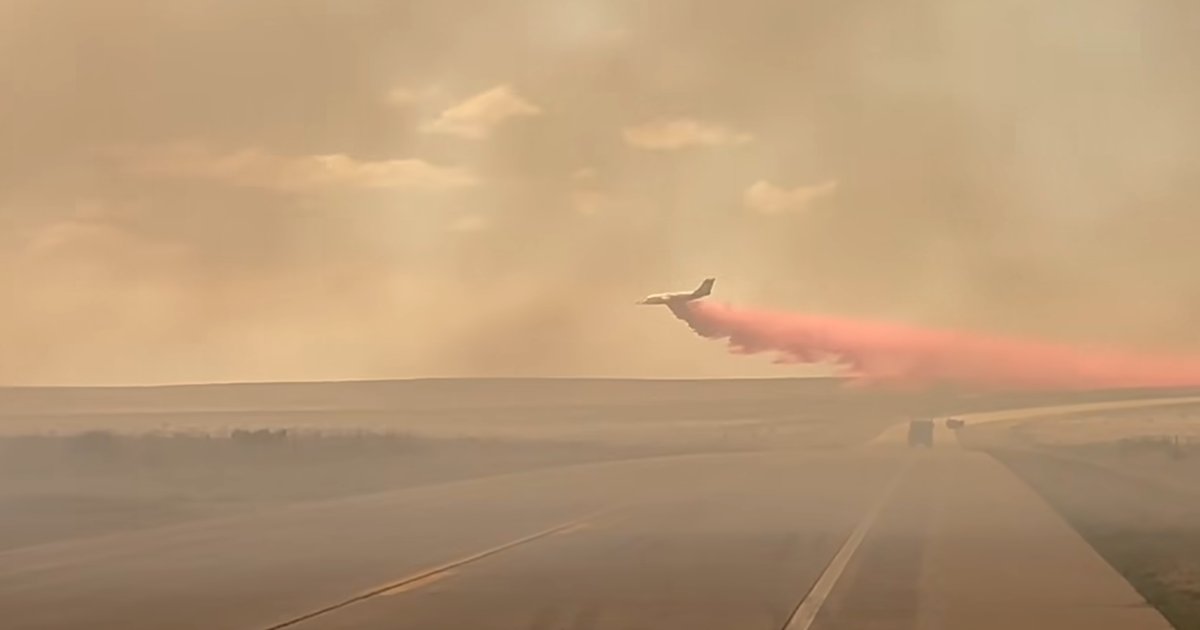
Wildfire risk in Northern Lower Michigan could be higher than usual this fall for a combination of reasons that include tree damage from the March ice storm.
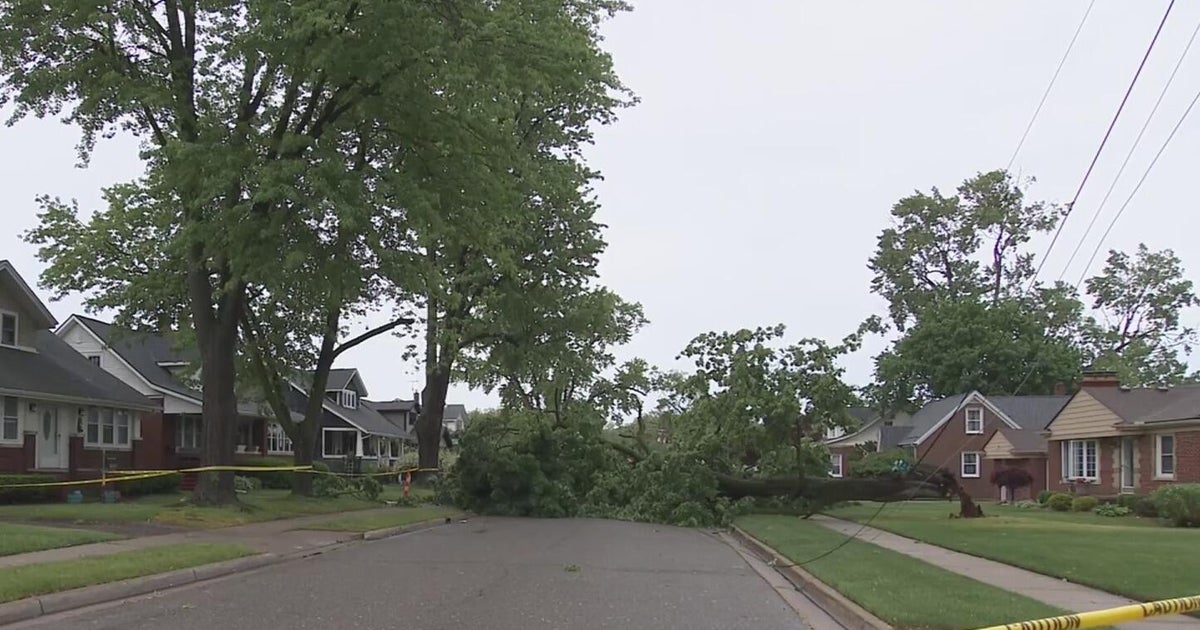
Michigan is normally at greatest risk for wildfire in the spring, the Michigan Department of Natural Resources says, but that may not be the case this year. Northern Michigan's forests had significant damage after an ice storm that left residents without power and roads impassable for days. There is also an overall forecast of sunny and dry weather as this fall season settles in.
"Downed wood has been drying out all summer and it can catch fire easily," said Jeff Vasher, resource protection manager for the Michigan DNR.
The DNR says nine out of 10 wildfires are caused by humans. But certain fire safety precautions can reduce the chance of a fire accidentally starting or spreading. Those tips include:
- Know the rules for your location on the burning of yard waste and debris, and be aware that there may be seasonal or temporary prohibitions because of weather conditions. The DNR's burn permit page explains how to get a burn permit in Michigan and when they can be issued.
- All campfires should be built in a metal ring or pit. Campers should never leave a fire unattended. Put out a campfire by dousing it with water, stir the ashes, then douse with water again.
- If you are taking a trailer to the forest areas in Northern Michigan, inspect the vehicle connections to make sure the tow chains are not dragging. This is to prevent sparks that could ignite a fire along the road's edge.
- Avoid using lawnmowers and heavy machinery in dry areas.
- Do not park a vehicle on dry grass, as a hot exhaust system can ignite that grass into a fire.
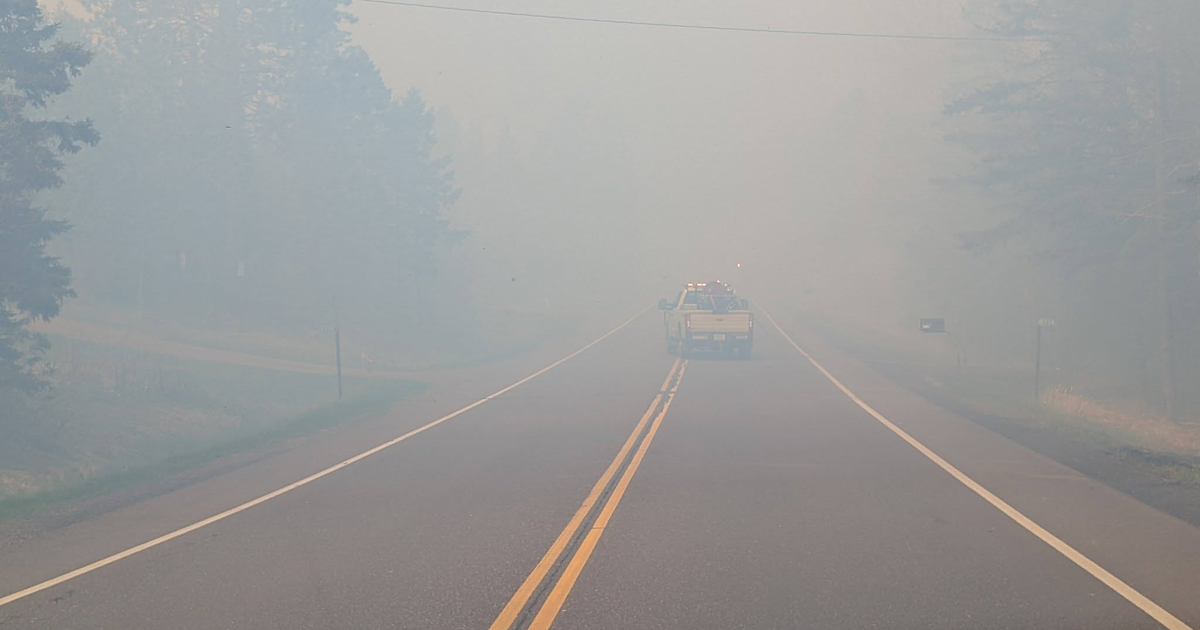
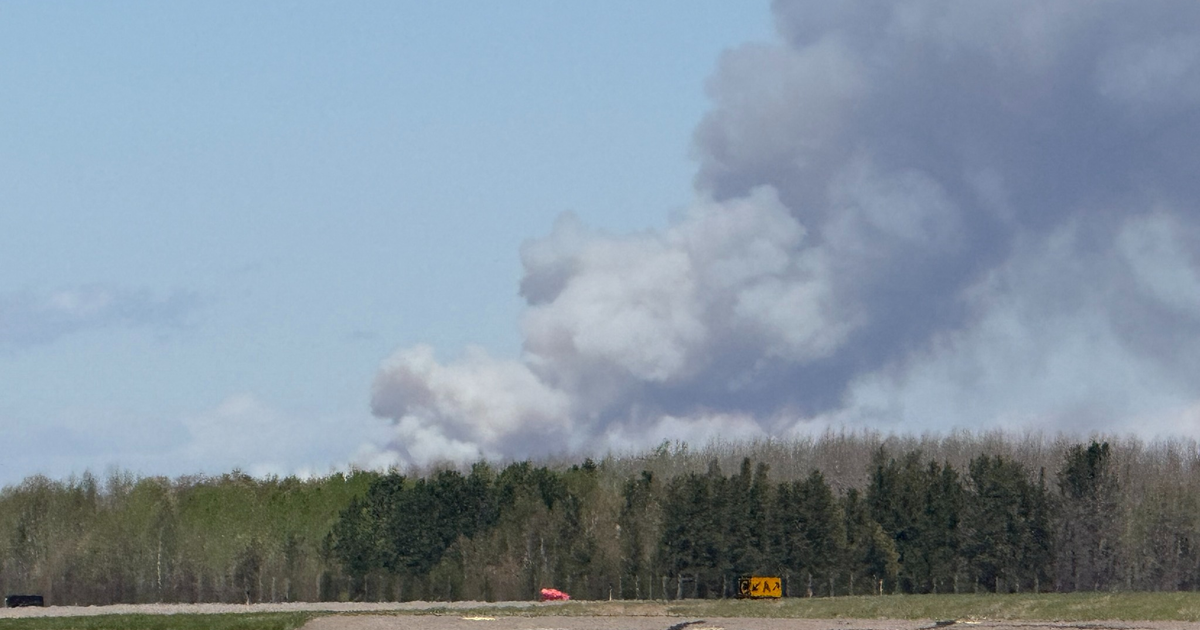
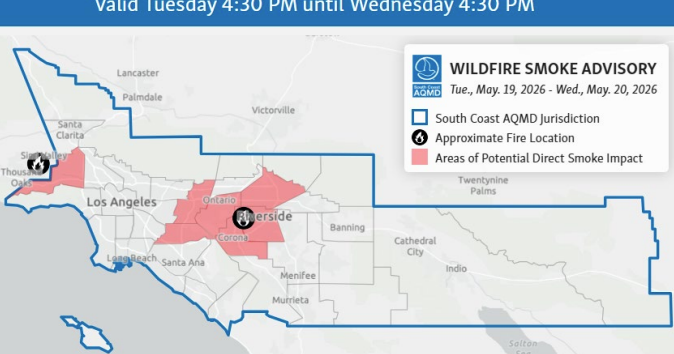
The wildfire smoke noticed off and on during the summer in Michigan was primarily drifting in from Canada.