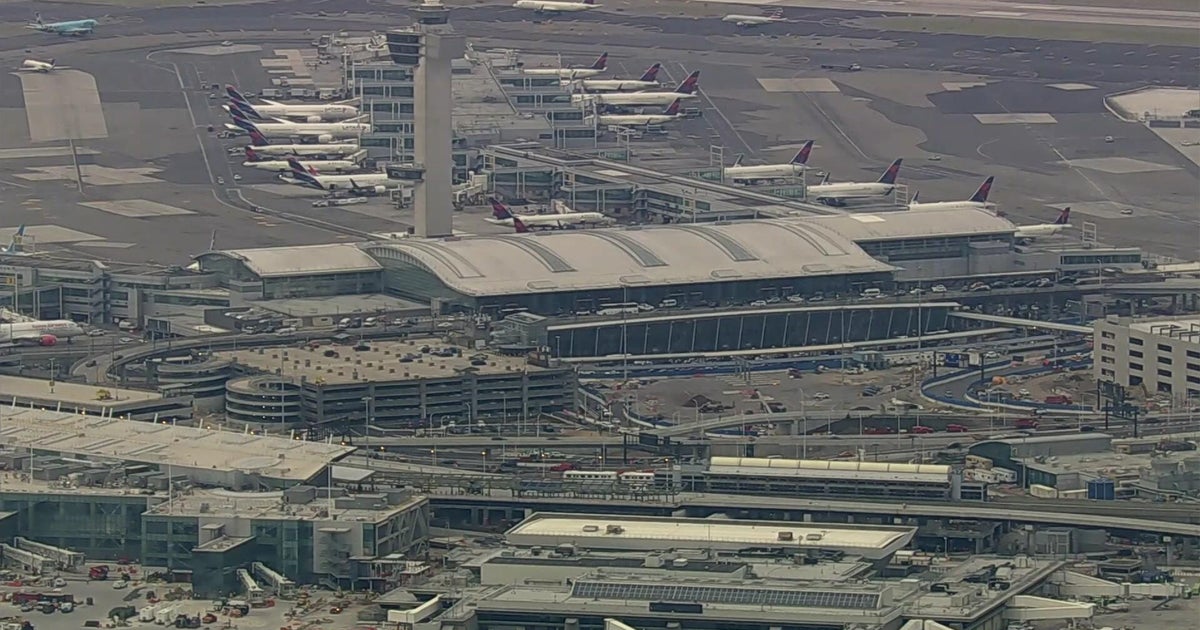
Detroit Metro Airport to increase airline landing and rental fees on July 1, may impact passenger costs
On July 1, Detroit Metro Airport will increase airline landing fees by 10%, alongside a 13% increase in rental fees for airlines in Evans Terminal and a 1% increase in McNamara.
These changes come just one month after Spirit Airlines abruptly ceased all operations, leaving its nine gates at DTW idle. The company had been struggling for years, operating at a loss since 2019 and filing for bankruptcy twice since 2024.
"The airport is expecting to cover some portion of the loss that is coming from lack of Spirit operations," said Selim Ozyurek, former airline executive and current aviation operations professor at Western Michigan University.
Before its closure, Spirit Airlines was DTW's second-largest carrier after Delta, with over 1.7 million passengers in 2025.
Matt Morawski, Wayne County Airport Authority spokesperson, said the airport routinely adjusts to changing operational conditions to maintain financial stability.
"During our mid-year adjustment process, we will reduce expenses wherever possible and increase rates and charges paid by the airlines," Morawski said.
Ozyurek said the question of whether increased fees are reflected in airfare is dependent on airline strategy.
"If the low-cost airline thinks that a 2% airfare increase might be causing 5% passenger loss, obviously, the airline might be tolerating this increase. However, if the airline is really suffering from the increase, obviously, the airfare will be impacted as well."
Low-fare carriers such as Spirit have historically served as pressure to legacy airlines — such as Delta, American and United — to lower their base fares to remain competitive. In 1993, the Department of Transportation coined the term "Southwest Effect" after witnessing a drop in average airfares and increased passenger traffic once Southwest Airlines entered a new market.
Airlines may pass the new expense onto passengers through ticket prices or ancillary charges, and the more dominant an airline is, the more freedom they have in potentially raising prices without losing passengers.
DTW is home to Delta's second-largest global hub, controlling over 50% of the airport's market share before Spirit's bankruptcy.
"The usual view is that monopolies charge higher prices than competitors do, and so the whole question is whether there is enough of an increase in monopoly power in Delta to be able to charge higher prices," said Jim Adams, University of Michigan economics professor.
As passengers face fewer airline options, "this willingness to pay more is going to be to the advantage of Delta Airlines," Ozyurek said.
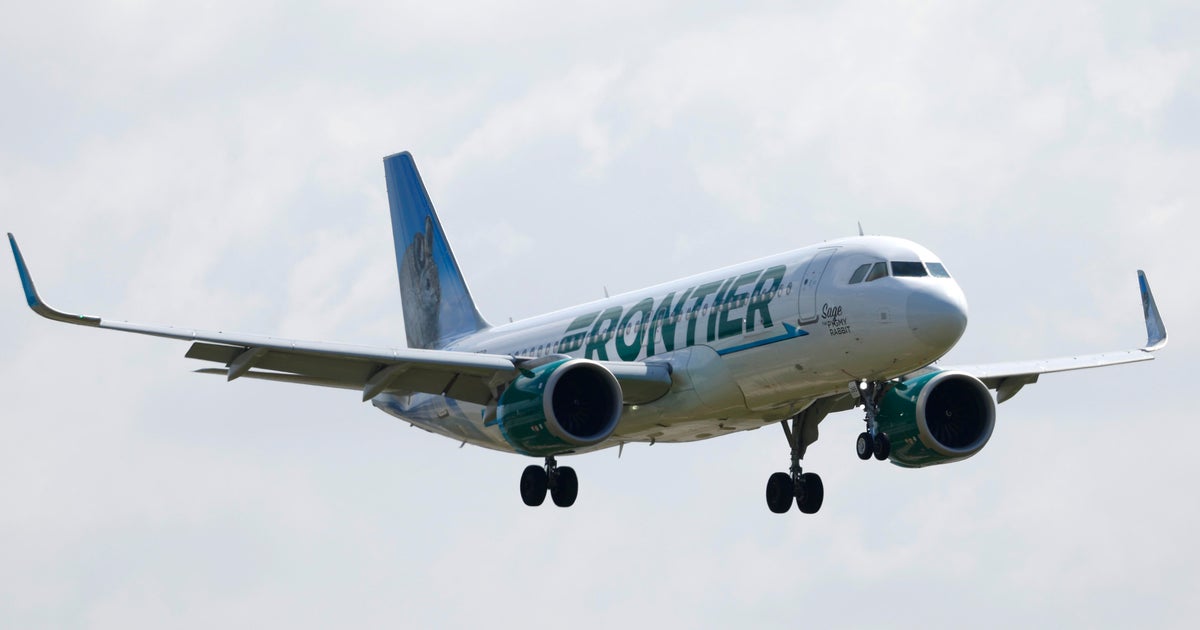
However, Frontier is looking to fill the low-cost carrier gap left by Spirit in DTW, according to Rob Harris, Frontier's corporate communications manager.
"Our Networking Planning team is continuing to evaluate our overall route network to determine future route additions as well, and we anticipate increased capacity from DTW starting in July and through the winter," Harris said.
Delta spokesperson Grant Myatt was unable to comment on pricing, but said Delta's fares are influenced by a range of factors, including supply and demand, operating costs such as fuel and seasonality.
"Our focus remains on providing reliable service and a great customer experience for travelers across the region," Myatt said.
Ozyurek said passengers must be tolerant of increased airfares, although alternative strategies, such as looking at different airports or flights with connections, are an option.
"The industry is affected, the market is affected, the airport is affected, so at the end of the day, we are going to be the users of these systems, so we will be affected," Ozyurek said.