Bears are expanding their Michigan habitat; prompting DNR officials to issue safety tips

The American black bear is expanding its range further south into Michigan, prompting state officials to issue warnings on how to prevent confrontations with the wild animals.
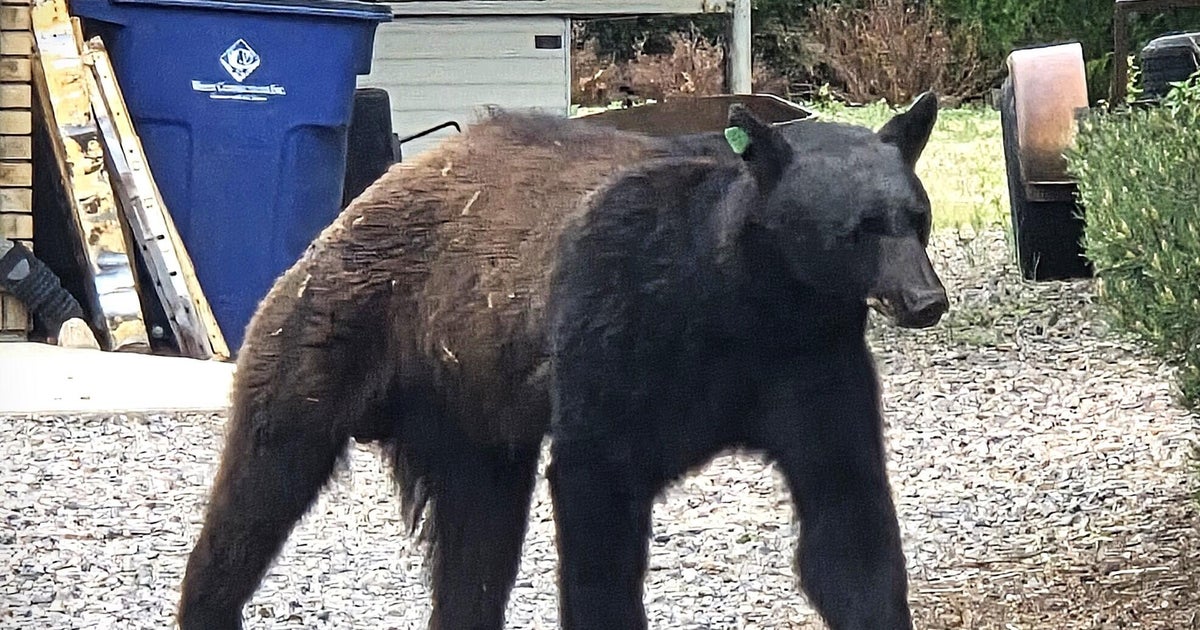
The American black bear (Ursus americanus) has coloring that ranges from black and brown to cinnamon and generally weighs between 100 and 500 pounds.
About 10,000 bears live in the Upper Peninsula, where humans have long learned how to discourage nuisance behavior from bears. But the Michigan Department of Natural Resources said during the past 20 years, bears also have been migrating into the Northern Lower Peninsula.
There are now about 2,000 bears living in Lower Michigan locales such as Traverse City and Grand Rapids. That makes it more likely that residents and businesses will see a bear, the DNR said, especially during the spring when the animals are hungry.
The counties where DNR received the most bear complaints last year were Marquette, Houghton, Otsego, Chippewa and Delta.
The detail to remember is that the bears are looking for food.
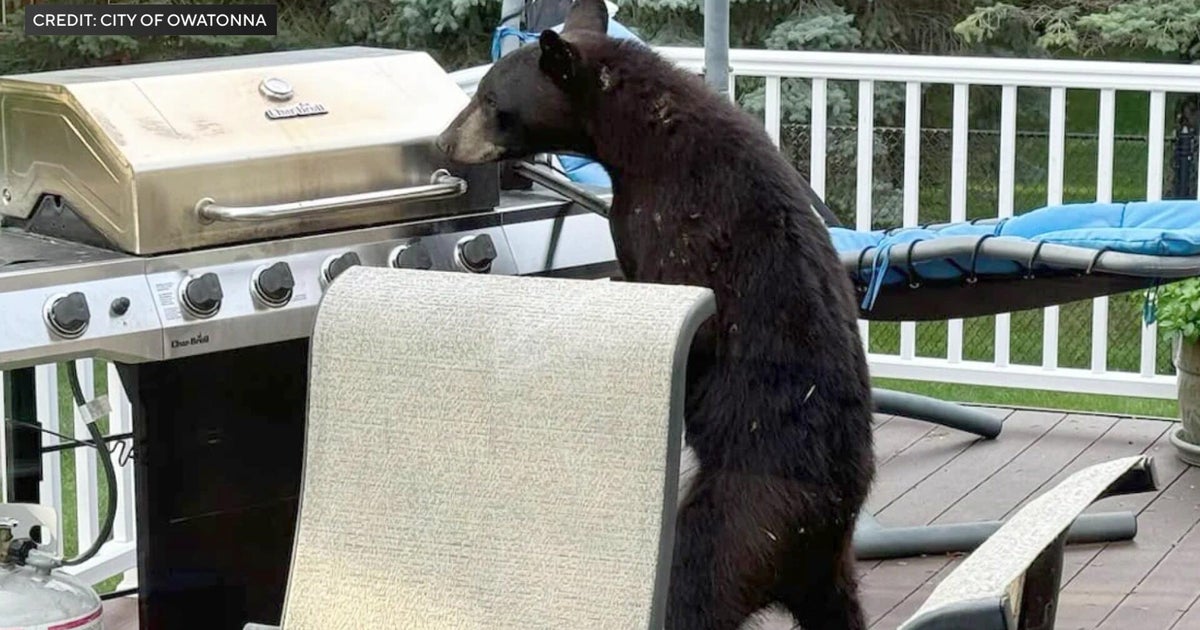
"A bear will likely keep on moving if there's nothing tasty to eat, whether that's bird seed, unsecured garbage or a food-spattered grill," the DNR said.
Bird feed, especially suet, is especially attractive to a bear, which can smell the feed from a mile away and even recall where it previously was found.
"Bears have a very, very good memory," said Stephen Griffith, a DNR biologist in the Traverse City area.
Michigan DNR received an average of 285 bear complaints a year, although the number did spike to 303 during 2024.
The DNR does operate a bear hunting season in the fall to help keep the bear population within habitat expectations.
If someone needs to scare off a bear off, make loud noises such as banging two metal pots together or using an airhorn. One can also yell at the bear, and raise arms or stand on a rock in an attempt to look bigger.
That's in addition to already removing any obvious food sources from outfdoor property such as a bird feeder and using bear-proof garbage containers.
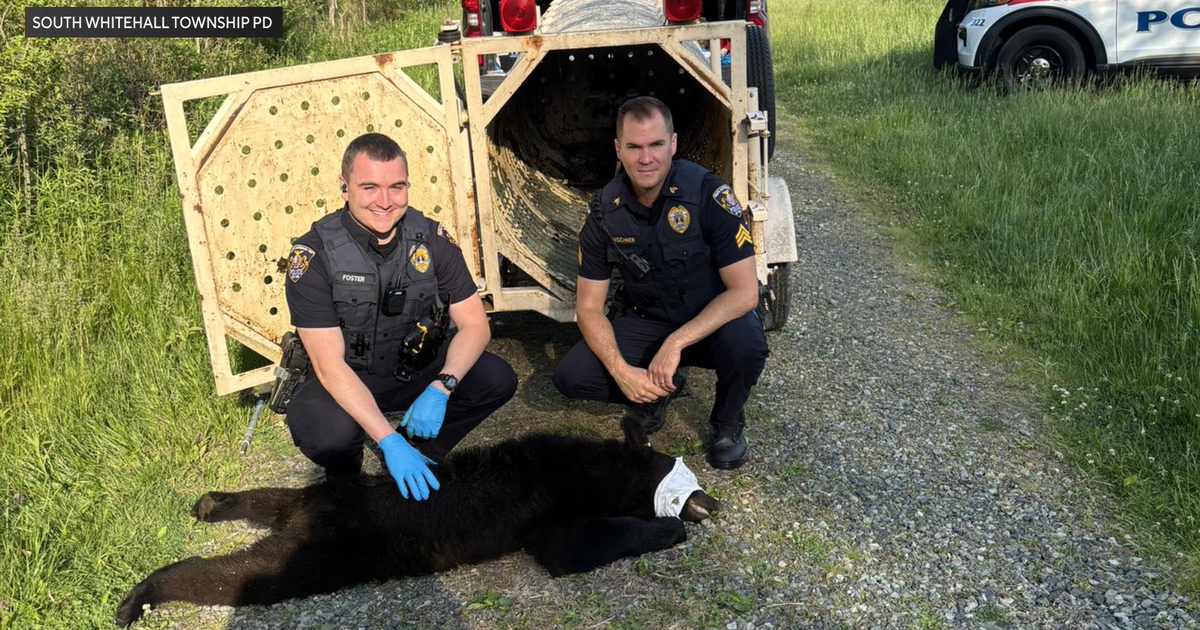
In an extreme situation, the DNR will trap and relocate a bear into the woods. The agency does that about six times a year. But suitable wild habitat is becoming scarce.
It's important to know that black bears have an important role in the ecosystem, said Jared Duquette, a DNR wildlife biologist.
"Bears eat a variety of fruits, berries and nuts, making them terrific seed dispersers," Duquette said. "Their droppings help spread seeds across large areas, promoting plant growth and forest regeneration. As opportunistic omnivores, bears help control populations of small mammals and insects. They also scavenge on carrion, which helps recycle nutrients back into the ecosystem."
The above video aired on May 16, 2024.