USDA Confirms First Colorado Avian Flu Infection Among Domestic Flock
By Anna Maria Basquez
PITKIN COUNTY, Colo. (CBS4) – The United States Department of Agriculture National Veterinarian Services Lab said Saturday it identified the first backyard flock detection of the avian flu in Colorado at a farm in Pitkin County. There were three other cases of wild birds in Sedgwick, Morgan and Denver counties earlier this week.
"With the first detection of HPAI (Highly Pathogenic Avian Influenza) in a backyard flock in Colorado, the State Veterinarian's office is working diligently to provide information to backyard flock owners about how to protect their flocks and continue to monitor commercial operations," State Veterinarian Dr. Maggie Baldwin said in a statement.
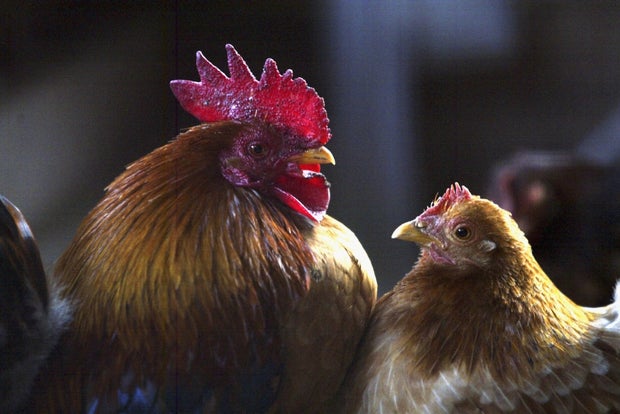
The signs of the avian flu among flocks include birds acting anemic, with different parts of their body starting to pop up and blister and the animals begin getting lethargic, said Olga Robak, spokeswoman for the Colorado Department of Agriculture.
"If you see wild birds among your flock, take big precautions," Robak said. If bird owners notice symptoms, they should report it right away and isolate any sick birds as soon as possible as a precaution they can take, she said.
"CDA and USDA field staff will be performing outreach activities in the surrounding area to increase awareness of the risk for the disease. HPAI is a highly fatal disease that can decimate a small flock in less than 48 hours, so it is critical for bird owners to take measures that prevent the introduction and spread of the virus."
The outbreak was at 29 states as of first of April, Robak said.
"This could have an impact on food sources down the road, but right now the USDA has been working very diligently to contain the spread of the disease," Robak said.
RELATED: Some Colorado Farmers Watching Bird Flu Closely
Officials suggest to farm owners small and large, keeping a closed flock, decreasing interactions between domestic and wild birds, and keeping feed away from wild birds. The State Veterinarian's office has been proactively working with Colorado's commercial poultry operations to prepare and strengthen individual facility biosecurity plans.
The statement released said the U.S. Centers for Disease Control and Prevention claims recent HPAI detections do not present an immediate public health concern.
"No human cases of the avian influenza virus have been detected in the United States. Avian influenza does not present a food safety risk; poultry and eggs are safe to eat when handled and cooked properly. As a reminder, the proper handling and cooking of all poultry and eggs to an internal temperature of 165˚F is recommended as a general food safety precaution, officials said as a reminder."
Watch the full interview with the USDA:
There is a small chance the avian flu travel to humans, but only to people who are handling the birds, especially the sick birds, officials said. So far, there have been no human cases.
Bird owners seeking more resources, like biosecurity plans, signage, and webinars, can visit the USDA's Defend the Flock website or visit PoultryBiosecurity.org.
What bird owners can do, according to CDA:
INCREASE BIOSECURITY: Poultry owners must immediately increase biosecurity measures to protect their birds from HPAI. The USDA Defend the Flock website has helpful resources for keeping poultry healthy in any operation.
MONITOR: Monitor your flock for clinical signs of HPAI, including monitoring production parameters (feed and water consumption, egg production) and increased illness and death. Any changes in production parameters that could indicate HPAI should be reported.
REPORT: Veterinarians and producers must report any suspicious disease events in poultry flocks to the State Veterinarian's office at 303-869-9130. If it is after hours, the voicemail message will indicate which veterinarian is on call.
If you have sick birds or birds that have died from unknown causes, help is available at the Colorado Avian Health Call Line at CSU, 970-297-4008.
Wild birds: If you find three or more dead wild birds in a specific area within a two week period OR if you see live birds showing clinical signs of disease, please contact your local Colorado Parks and Wildlife office.
Additional information and resources:
• CDA: Avian Influenza
• USDA: Highly Pathogenic Avian Influenza