Study aims to uncover how state caused harm to Black Coloradans
A privately funded effort to study how state policies caused harm to Black Coloradans has been underway for more than a year.
The Black Equity study focuses on ways that Black Coloradans faced discrimination in access to wealth, education, health and justice. It was mandated by state lawmakers and is led by History Colorado.
A study commission comprising state lawmakers and community members has been meeting quarterly to provide updates on the research, with the goal of determining whether, from its earliest days, the state's government enabled discrimination.

"Pushing for segregated schools, pushing for restrictions of voting rights in the late 1860s," said Dr. Scott Spillman, a senior research historian at History Colorado, during a meeting last year of the Black Coloradan Racial Equity Study Commission.
Chloe Duplessis is the Colorado Black History Research Program Manager. She guided CBS Colorado through the work of the past year.
"So this is a historical study. It will actually focus on days of territory all the way to present day," said Duplessis.
"We'll have, in total, a year and a half of research. This is going into archives, collecting oral histories, engaging community through listening sessions," said Duplessis. "To really gauge, measure and analyze, to some degree, any instances of harm where the state was mindful in doing so, or not as mindful in doing so, but not available or willing to prevent it."
Duplessis views this study as a starting point and a springboard for other researchers to build on its key findings.
"I have been surprised by the sheer volume of what we have found," she added.
"Two weeks into the study, we were able to confirm enslavement in Colorado. This was major, because this was largely debated for a number of years," said Duplessis. "Persons here because of the Gold Rush, persons coming here for opportunity, bringing materials and supplies, and bringing enslaved people with them to work the land, to be homesteaders."
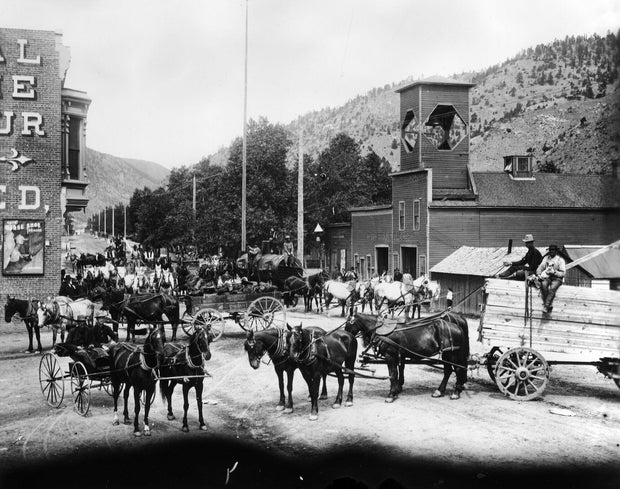
The man for whom Estes Park is named was one of those who came with slaves, says Duplessis. Joel Estes came from Georgia for the Gold Rush. "Years later, when he returned to Georgia, he left with supplies and five enslaved Black people."
There were periods of time, says Duplessis, when the KKK managed banks in Colorado. Discrimination was instituted in ways that exist to this day, she says.
"This is ongoing discrimination in banking, accessing mortgages, limitations on credit, building credit capacity. These things are happening right now," said Duplessis.
The study also found how houses of worship and community leaders co-signed mortgages and worked to find solutions.
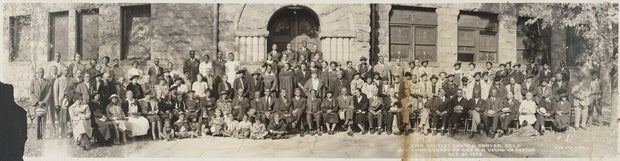
"The community just were able to rise to the occasion. It's super encouraging," said Duplessis.
As Colorado prepares to mark its 150th year and the country its 250th, Duplessis says this research is critical.
"In distancing ourselves from Black history, you're distancing yourself from Colorado history and American history, because they're one and the same," said Duplessis.
Once the Black Equity study is complete later this year, the commission will engage an independent third party to conduct an economic analysis and make recommendations about how to repair the harms caused by discrimination.