Speed enforcement cameras to be deployed on Colorado highways, interstates, specifically around construction

Thanks to a law passed in 2023 and implemented in 2025, Colorado highways and interstates will soon feature speed enforcement cameras.
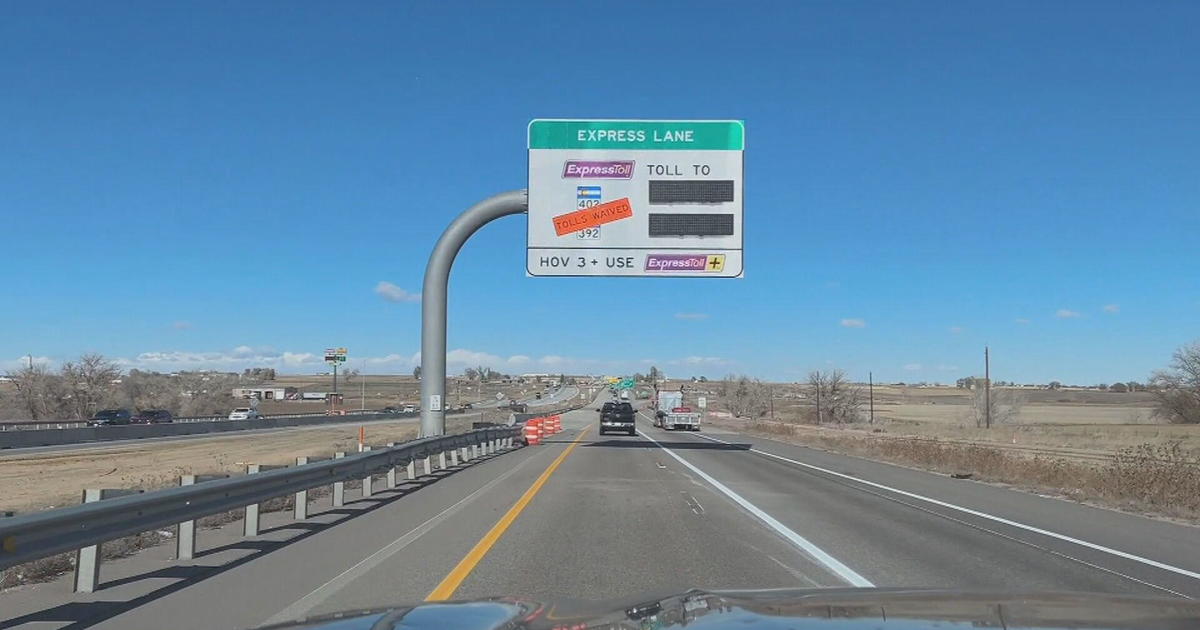
The Colorado Department of Transportation and Colorado State Patrol announced Monday their first implementation of speed enforcement cameras along construction zones on Highway 119, known as "Diagonal Highway," between Boulder and Longmont.
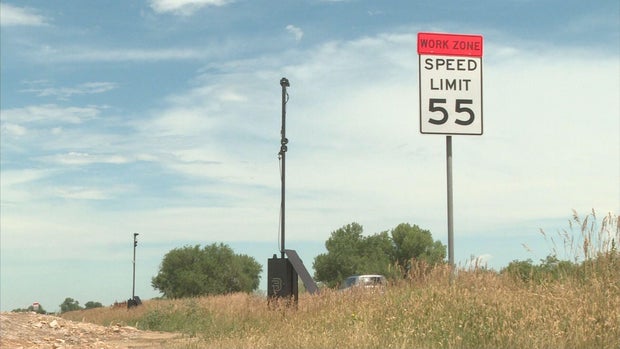
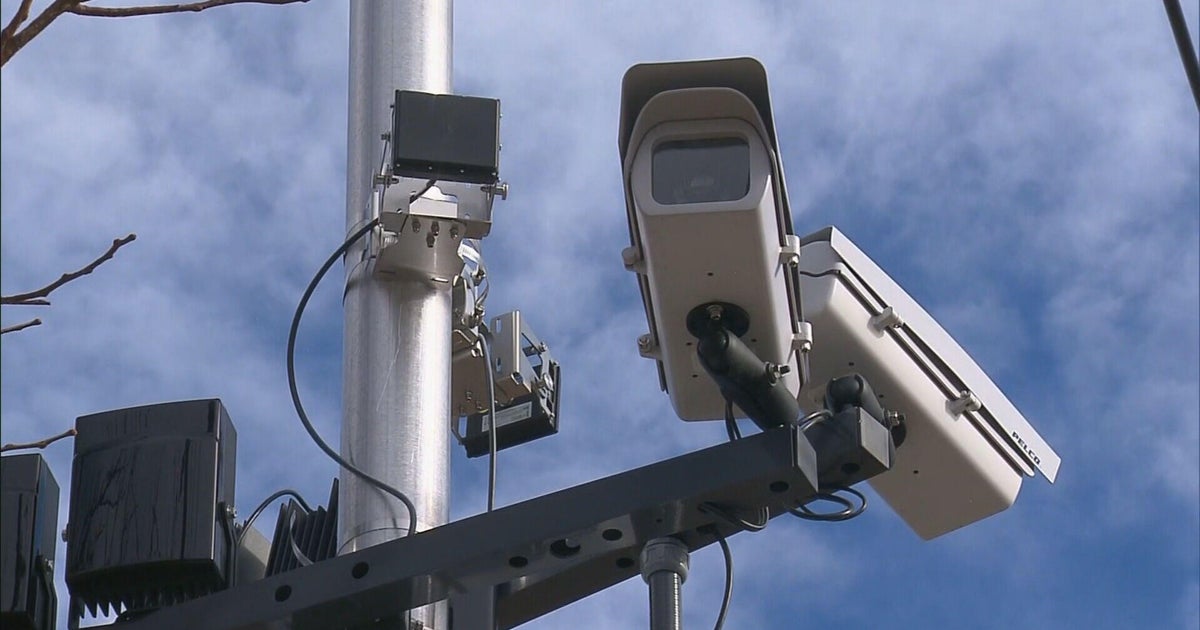
A mixture of fixed and mobile speed enforcement cameras have already been installed along a stretch of the highway that is undergoing improvements and expansions. CDOT and CSP plan to begin a 30-day warning window before fines begin to be issued.
"Crashes are increasing. Speeds are rising, and people are being seriously hurt or killed in areas where enforcement is a difficulty," said Sally Chafee, CDOT's acting director and chief of staff. "Speed limits aren't suggestions; they are law."
The program is known as the Colorado Speed Enforcement Program. So long as a mandatory notice of upcoming camera enforcement is posted 300 feet in advance, Colorado law now allows cameras and computers to issue citations to drivers who are speeding through places like construction zones.
"Automated speed enforcement gives us a powerful and consistent way to address dangerous behavior before it results in tragedy," Chafee said.
The cameras along Highway 119 are the first to be tested by CDOT. Drivers will be monitored through two sets of cameras in each direction. By passing through one set of cameras, a timer is set. When a driver passes through the second set of cameras, the computer is able to do a calculation to determine the average speed the driver maintained while along that stretch of the roadway.
If drivers are found to be going 10 miles or more over the speed limit, they will face a citation after the 30-day warning window completes.
Both CDOT and CSP said their priority to focusing enforcement is along construction zones.
"We have seen a high rate of fatalities within work zones," said Keith Stefanik, CDOT's chief engineer.
By placing cameras, which also have flash functions for night hours, along the work zones, this allows both CDOT and CSP to further enforce traffic laws in an area otherwise unsafe for troopers to patrol due to lack of shoulder space.
"Our data shows that more than 60% of drivers are speeding through work zones, and 11% of those are going over 10 miles an hour over that speed limit," CSP Capt. Shane Scovel said.
"Our construction crews are out in the field every day working on these critical safety and mobility improvements. Speeding drivers put their lives and all other lives on the roadway at risk," said Heather Paddock, CDOT's Region 4 director.
During the 30-day warning window, drivers will be given one opportunity for a warning. However, if they are clocked speeding 10 or more miles an hour a second time during the warning period, they will receive a formal citation.
Citations run $75 each and do not include point reductions to a license.
CDOT said this effort is not about punishment or profits, but rather prevention.
"It is meant to gain the attention of drivers," Chafee said.