Slow start to Colorado's ski season, but snow and caution ahead

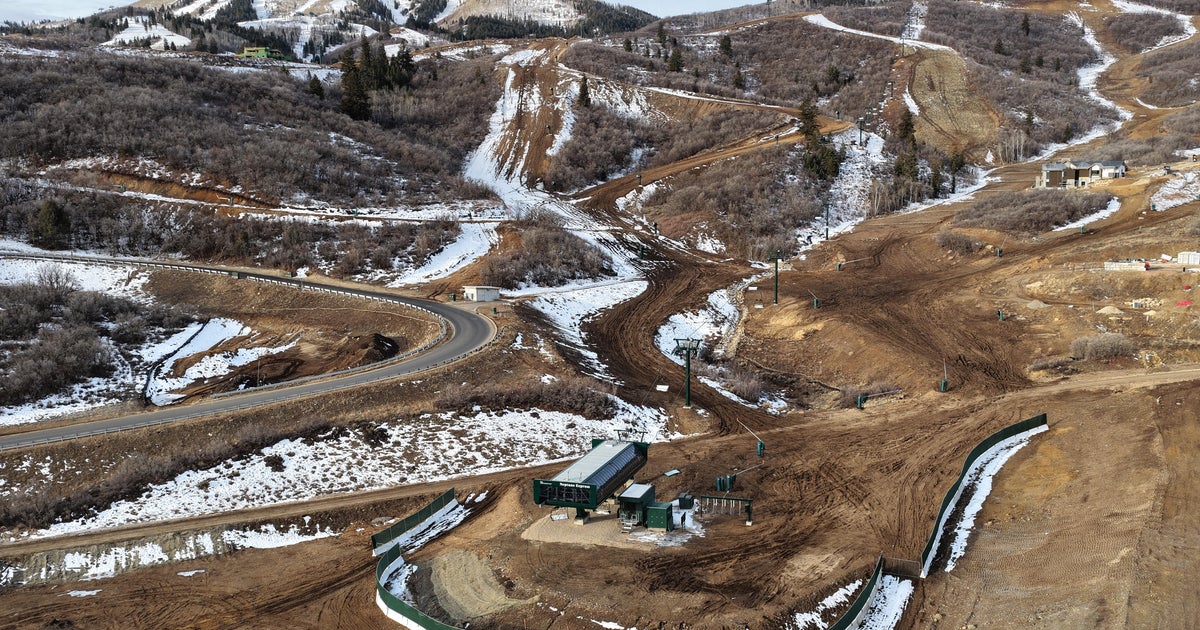
It has been a slow and frustrating start to the ski season across Colorado, but history suggests there may still be reason for cautious optimism.
According to Brian Lazar with the Colorado Avalanche Information Center, several past winters closely resemble how the 2025–2026 season has unfolded so far. Looking at statewide average snowpack data dating back to 1987, Lazar says five seasons stand out.
"Four of the five years did start to get snow in late January and early February and rebounded to very close to long-term medians," Lazar said. "So they weren't great seasons, but they did end up being okay."
However, not every slow start ended well. Lazar points to one notable exception.
"The winter of 2002–2003 never recovered and was responsible for setting many of the all-time low snowfall periods," Lazar said. "We're really hoping we're tracking more like four of those five years, and not that 2002–2003 season."
The good news for skiers and snowboarders is that snow is in the forecast. The downside? Avalanche danger is also rising.
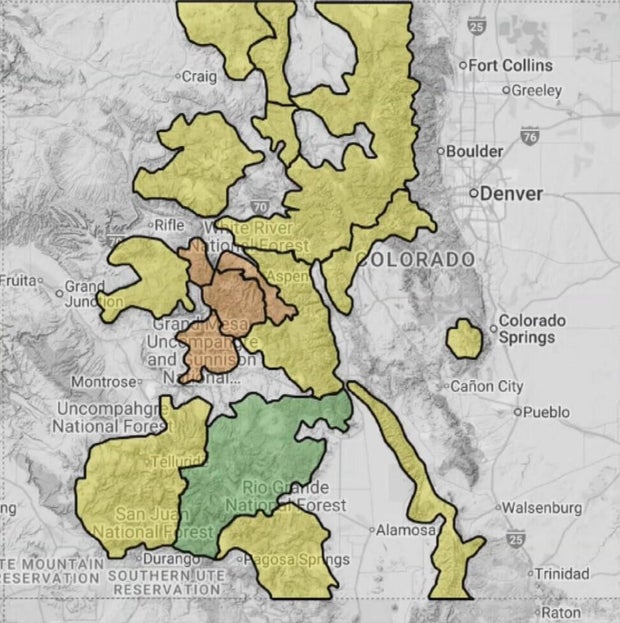
Avalanche danger is currently rated considerable (3 out of 5) in the Elk and West Elk Mountains, including areas around Crested Butte, south of Aspen, and near Marble. In these locations, avalanches are now large enough to bury, injure, or kill a person.
In the past week, the Colorado Avalanche Information Center recorded 115 avalanches in the area, including the first two D3 (large and destructive) avalanches of the season, both of which occurred on January 2. According to CAIC, one of those avalanches stretched more than a mile wide, highlighting the severity of current conditions.
Lazar says what makes the current avalanche problem especially dangerous is its unpredictability.
"They're hard to predict," Lazar explained. "They break across the terrain in really hard-to-predict ways, crossing ridgelines, breaking through the trees. You can trigger them from a distance, or even from below."
Each new round of snow is adding weight to weak layers that formed in December, making avalanches easier to trigger and potentially larger. Backcountry travelers should pay close attention to upper-elevation slopes facing north and east, where instability is most pronounced. Extra caution is also advised around ridgelines, gullies, and terrain features, where wind-drifted, stiffer slabs of snow tend to form. CAIC recommends choosing lower-angle terrain (less than 30 degrees), sticking to wind-sheltered slopes, and avoiding connected avalanche paths while conditions remain unstable.