Self-cloning invasive snails discovered in Northern Colorado lake

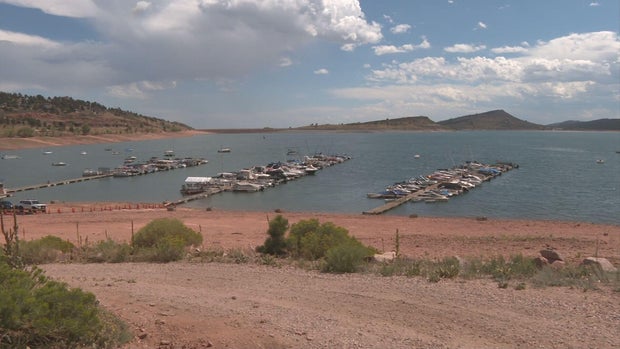
An invasive species of snail has been confirmed in Carter Lake in Northern Colorado, prompting Colorado Parks and Wildlife to focus on preventing the species from spreading to other waterways in the state.
New Zealand mudsnails are small, brown creatures that can consume large amounts of nutrients in an ecosystem and compete with native species for food.
"These mud snails are very big eaters, and they just kind of go through all of the different nutrients that are in an ecosystem and don't really provide any benefits back to anything else in there," said Kara Van Hoose, a spokesperson for Colorado Parks and Wildlife.
Van Hoose said the snails do not pose a risk to human health, but they can have negative effects on aquatic ecosystems.
"They are not good food for fish. They can pass right through birds that eat them and then come out unscathed," Van Hoose said.
The snails can also reproduce by cloning themselves, making them difficult to eliminate once established.
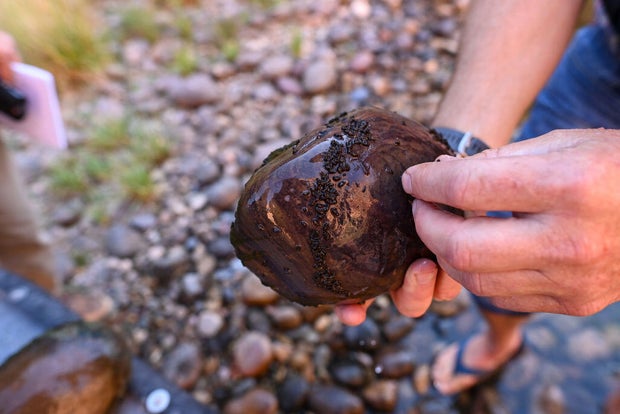
"They don't really provide any other benefits to the land or the water. Instead, they just eat, and eat, and eat, and sap all of the nutrients and outcompete our native species for food," Van Hoose said.
The discovery at Carter Lake is the latest example of New Zealand mudsnails being found in Colorado. Van Hoose said they have been confirmed in 41 other bodies of water across the state.
At Carter Lake, boat inspection checkpoints are now looking for the snails in addition to other invasive species, such as zebra mussels.
"It's pretty common in Colorado anymore," said Byron Maine, a boat owner visiting Carter Lake.
Maine had his boat inspected when he arrived at the lake.
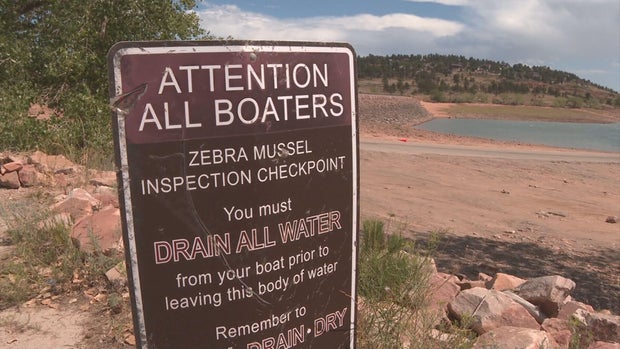
"They just examine the boat, look for live wells, look at your anchor, the bottom of the boat on the trailer, things like that," Maine said.
Boats are inspected again when leaving the lake.
"(The staff checks) to make sure you drain your boat, don't have any water on it, clean it off, any weeds that are left on it, and just make sure it's all cleaned off and ready to go," Maine said.
Colorado Parks and Wildlife officials say the snails are likely to remain at Carter Lake because of how easily they reproduce.
The agency's focus now is preventing the New Zealand mudsnails from being transported from Carter Lake to other waterways in Larimer County.


