This Colorado airport has most safety incidents in the country, FAA memo states

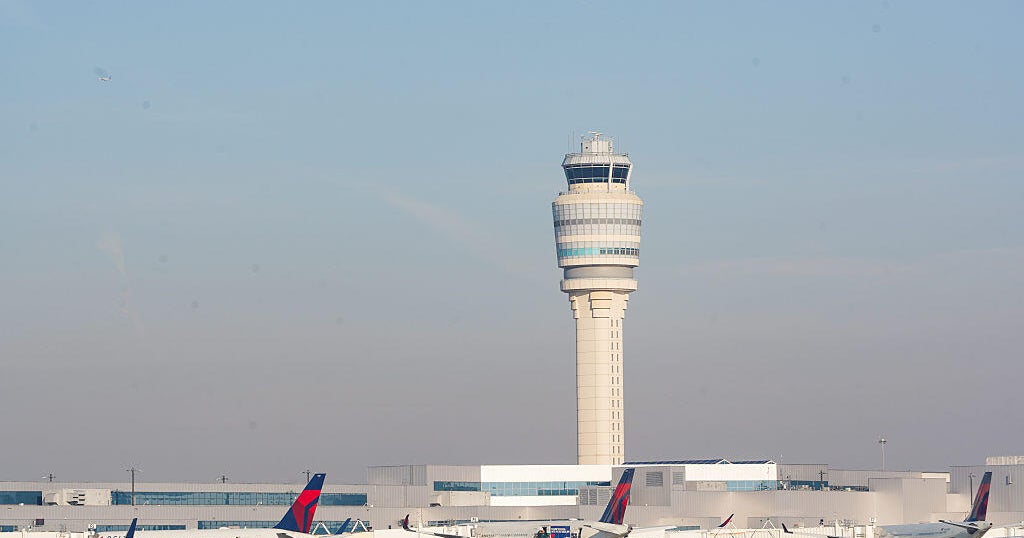
A memo from the FAA, recently obtained by CBS Colorado, reports the Rocky Mountain Metropolitan Airport as having more safety incidents than any other airport in the country. The June memo explains that RMMA "...currently leads the National Airspace System (NAS) in the number of Potentially Significant Events (PSEs), which include both runway incursions and airborne safety incidents."
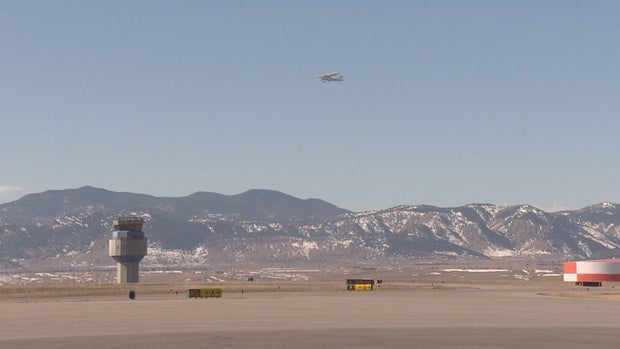
This means that despite its smaller size, RMMA has more PSEs than larger airports like Denver International Airport. However, the FAA says RMMA has grown over the last few years, which the FAA explained was one of the reasons for sending this memo addressing safety concerns and operations.
The June memo was dated just weeks after a plane crashed shortly after taking off from RMMA in May.
An FAA spokesperson responded to the memo's release with the statement, "The FAA adjusted operating procedures at Rocky Mountain Metro Airport (BJC) to enhance air traffic safety and efficiency. Effective June 16, 2025, the FAA, in coordination with local BJC airport flight schools and other airport users, implemented structured traffic flows to and from the runways to minimize risk and increase safety."
RMMA asserts they didn't receive the FAA's memo prior to the public, and when CBS Colorado spoke to Airport Director Erick Dahl at an open house in August he said, "What the FAA told us [during a previous round table] was that they don't make flight path changes without hearing from the community first, in this case, took us by surprise. We were not asked. The airport was not consulted about changes to the airspace."
And the airport confirms those changes also included a new flight path over new neighbors' homes in Louisville.
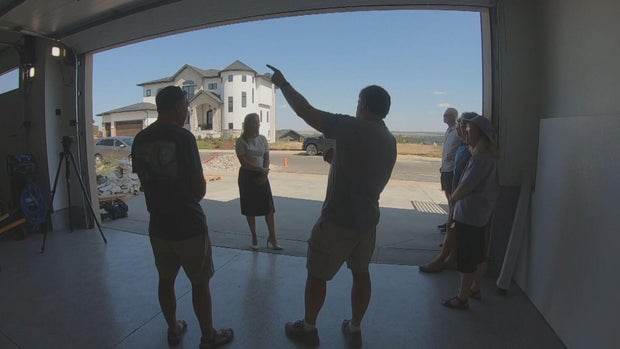
One of those homes is that of hobby pilot Marty Reibold.
"I think there's a role for a regional airport… But way too many flight schools, way too much traffic, and clearly a lack of accountability for what is taking place at the operation center," Reibold said.
CBS Colorado Your Reporter Sarah Horbacewicz asked him, "Would you fly there or recommend someone fly there after reading this memo?" To which Reibold said, "God, no."
Some neighbors in Louisville who are just moving back in after the Marshall Fire are also noticing increased plane noise and say they are concerned about the safety incidents described in the memo.
"I was shocked. Yeah, shocked and pretty appalled to think that we are the worst in the nation, I just can't believe that," Louisville resident Gerri Mansdorfer said.
"I wish I could talk to the people and say, can you get a flight plan that doesn't fly over our houses that close," another Louisville resident, Dave Howe, said.
But leaders at RMMA say the flight patterns aren't their call. RMMA Public Affairs and Communications Specialist Sydny Boyd explained in a statement in part, "Rocky Mountain Metropolitan Airport (RMMA) is aware of recently released Federal Aviation Administration (FAA) documents regarding air traffic procedures at the airport. Safety is top priority and while RMMA does not set or control flight paths, aircraft altitude assignments, or air traffic procedures – any change made to improve safety is positive for our community. The FAA periodically updates internal procedures to enhance safety and efficiency in the airspace. These internal communications are between FAA staff and FAA air traffic controllers. They do not originate from RMMA and were not developed by airport staff…"
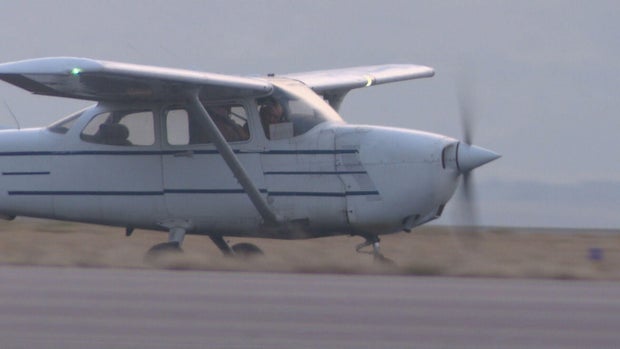
Now, neighbors say they're working to make their safety and noise concerns heard and hoping for the best.
"I hope that the concerns that we might raise, whether it be safety or quality of life, start to be addressed," Reibold said, "You know, I hope it doesn't hit our house."
For those wishing to share any concerns with the FAA, a spokesperson shared the statement in part, "The FAA is committed to meaningful dialogue with communities… If a community is concerned about aircraft noise, the best course of action is to contact their local aviation community roundtable or airport operator. The FAA can then work with airport operators to determine if the aircraft noise can be mitigated through changes in air traffic procedures."
However, Boyd with RMMA explained that complaints can be directed to the FAA, sharing in a statement in part, "RMMA remains committed to transparency and community engagement. While we do not have authority over air traffic routing decisions, we continue to share community concerns with the FAA and provide updates when information becomes available.
For questions about the FAA's procedures or the documents referenced, please contact the FAA directly."
While the airport has been growing over the last few years, so far this year, RMMA officials say overall traffic is down.
CBS Colorado is working to get more information about these changes and how the FAA and RMMA communicate.