Northern Colorado city joins effort to build new reservoir, reversing decades of prior opposition

The City of Fort Collins is investing in a major Northern Colorado water project it opposed for more than 20 years, now citing the Northern Integrated Supply Project as a more affordable alternative to expanding Halligan Reservoir.
The city's decision marks a shift in its approach to securing future water supplies, with plans to use a portion of the proposed Glade Reservoir to store water rights the city already holds.
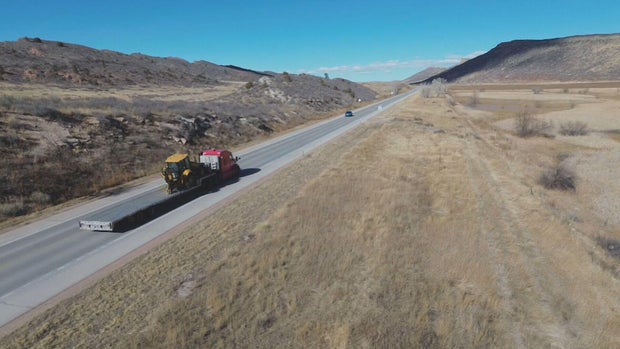
Under the project, a portion of the existing U.S. Highway 287 could eventually be submerged as construction of the Glade Reservoir moves forward. The roadway would have to be moved east of the ridgeline to keep traffic flowing between Fort Collins and Laramie, Wyoming.
Nicole Poncelet-Johnson, the city's One Water executive director, said Fort Collins determined that joining NISP offered a more practical path to expanding its water storage capacity.
"Overall, it's a more affordable project," Poncelet-Johnson said.
The city had previously planned to expand Halligan Reservoir, but significant regulatory hurdles made that option difficult.
"Halligan Reservoir was not going to get permitted, and the U.S. Army Corps of Engineers was making that very clear to us," Poncelet-Johnson said.
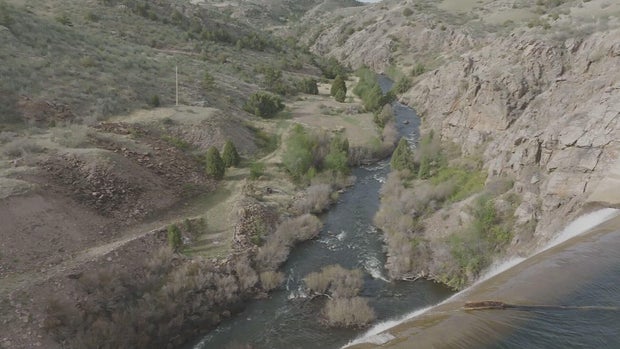
The city reconsidered its position on NISP after changes were made to the project to provide additional protections for the viability of the Poudre River. Poncelet-Johnson said the project would allow Fort Collins to store senior water rights, which are an important part of maintaining a reliable water supply.
The expansion of Halligan Reservoir was expected to cost about $500 million. Fort Collins' investment in NISP is expected to cost about $300 million over 40 years, according to the city.
The city plans to use about 6% of Glade Reservoir's future capacity to store its water rights.
Poncelet-Johnson said the additional storage could help the city prepare for changing water conditions, including the effects of climate change and diminishing water resources.
"You know, with climate change and uncertainties with the Colorado River, this project allows us to store our senior water rights that exist on the east side of the Continental Divide," Poncelet-Johnson said. "We think that that's important to prepare us for the future. These are decisions we're making for generations to come."
Poncelet-Johnson said the city believes joining NISP is the right decision for its water utility, its ratepayers and future generations.


