Aurora asks largest water user to cut back as Stage 2 restrictions loom in the Colorado city

As Aurora faces an unprecedented drought, city leaders say they're asking everyone to conserve water -- including the city's single largest water customer.
Aurora's water storage has dropped to about 51%. Current conditions meet the criteria for Stage 2 drought restrictions.
Aurora Water has asked Niagara Bottling, which bottles municipal tap water at its Aurora facility, to reduce its water use by 20% as the city works to avoid stricter drought restrictions.
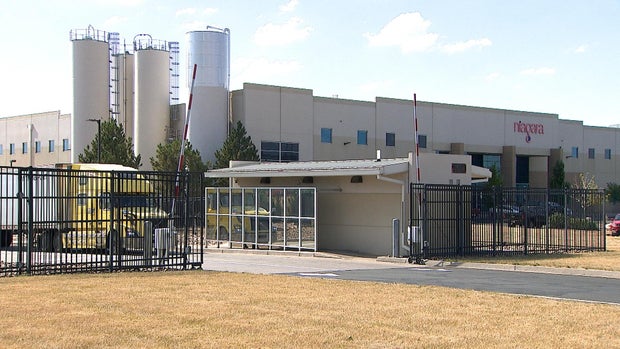
Deputy Director of Internal and External Affairs Shonnie Cline said Niagara uses nearly 200 million gallons of water each year, making it Aurora's largest individual water customer. Even so, the company accounts for about 1% of the city's annual water demand.
Summer usage on a typical day for Aurora is 85 million gallons.
"The largest class of users is irrigation," Cline said. "Outdoor irrigation is roughly 40%."
The request stems from Aurora's Stage 1 Water Shortage Response Plan, which encourages high-volume users to reduce consumption during drought conditions.
"When somebody fully uses the water, such as a bottling company, and it takes the water out of our service area, we can't reuse that water," Cline said. "That is part of our system resiliency."
Because bottled water leaves Aurora's water system, it cannot be treated and reused like wastewater that remains within the city's service area.
Cline says Niagara is not currently violating any city rules and remains within its permitted water allocation. The city's request is voluntary under the current stage of drought restrictions.
Niagara is taking a pause to any reductions, but the company says it shares Aurora's conservation goals and has already implemented measures to reduce water use.
In a statement to CBS Colorado, the company said it has invested more than $67 million in its Aurora facility since breaking ground in 2012, contributed approximately $17.3 million in taxes, and has generated more than $2 million annually for the Aurora Water Fund in recent years.
The company said it has installed an in-plant water recovery system expected to save 8 million to 10 million gallons this year and about 20 million gallons annually in future years.
Niagara also said it is working with Aurora Water on additional conservation efforts, including turf replacement and other permanent efficiency projects. The company estimates those combined initiatives could save more than 60 million gallons of water in 2027.
"We're not just talking about water conservation," the company said. "We are and will continue to make significant and sustainable actions to reducing usage and restoring water supply in and for Aurora."
Cline acknowledged Niagara faces unique challenges because production schedules and customer contracts are typically established the previous fall, before officials knew how severe this year's drought would become.

"In all fairness to them, I think a pivot is extremely hard when they have customers that already have contracts, and so that that is understandable why they certainly are taking pause to any reductions because it will have business impacts," Cline said.
City officials declined to discuss what future steps could be considered, as those conversations occurred in executive session with the Aurora City Council.
Aurora officials say they are continuing to monitor drought conditions while urging all water users, residential, commercial and industrial, to conserve as much as possible in hopes of avoiding stricter restrictions later this year.


