Colorado River's future use is up in the air after negotiators fail to meet federal deadline

The future of the Colorado River, and its use by seven states that rely on it, is still up in the air after negotiators failed to meet a deadline set by the federal government. The Upper Basin and Lower Basin states were asked to have a plan set for the future of the river by Tuesday night, as the current plans are set to expire by the end of 2026.
The river is heavily utilized by the Lower Basin states, which make up Arizona, California and Nevada. Otherwise largely deserts, the Colorado River allows for both communities and agriculture to thrive in those states.
The Upper Basin, consisting of Colorado, Utah and New Mexico, comparatively rely less heavily on the Colorado River even as populations continue to rise in those states.
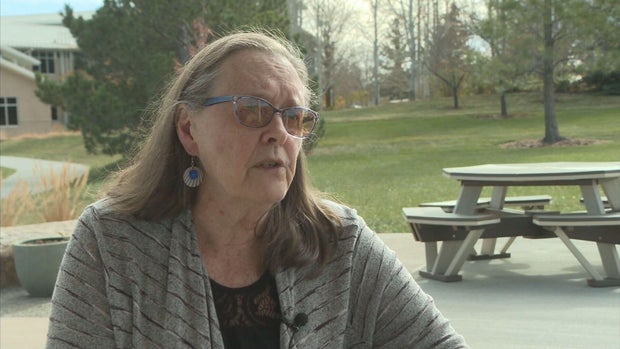
"We made an agreement in 1922 about how we would divide up the water on the Colorado River," said Jennifer Gimbel, senior water policy scholar at Colorado State University.
However, since then, the populations in all the states that rely on the river have increased, especially in the Lower Basin. That includes the farms that soak up a majority of the water pulled to those states in order to supply the country with winter vegetables and fruits.
"Mother nature has given us less flows in the Colorado River," Gimbel said.
Gimbel said a combination of extended drought and increased demand has left the seven states that use the Colorado River to tussle over how the river will be both preserved and allocated in the years beyond 2026.
"Demands are going up, mostly demands in the Lower Basin. Demands in the Upper Basin have been pretty steady," Gimbel said. "The Lower Basin has been overusing the river for decades. It's their population growth. It is where our winter vegetables come from. That is life. Who is going to shut water off for municipalities? That is the trick."
Gimbel said the negotiators for each state have spent countless hours working hard to try and find an agreement for the future. However, she said all of the states are having to try and strike a deal that both secures water for their constituents while also allocating depleting resources to neighbors.
Nov. 11 was set by the government as the date in which they hoped the states would have an agreement, as that would allocate enough time in 2026 for testing and surveying to be completed to assure the agreement would work.
"Which means we need a new plan and we need it quickly," Gimbel said.
However, the deadline passed without an agreement made.
Those involved in the process said the Nov. 11 was a soft deadline, noting they still had several months to reach a set agreement, while still allowing enough time for the surveying and testing.
"We have to learn how to live sustainably with the river, and that is going to take a lot of effort on everyone's part," Gimbel said. "As the flows decrease, they are going to have to figure out a plan as to how to operate that river. It may affect us, or it may not."