Students at Denver's Manual High School reclaim their place in the water
For decades, it was rare to see Manual High School students in the Manual High School pool. The student body is predominantly Black and Hispanic, groups underrepresented in competitive swimming. This season, the Thunderbolts are reclaiming their place in the water with a swim team of their own.
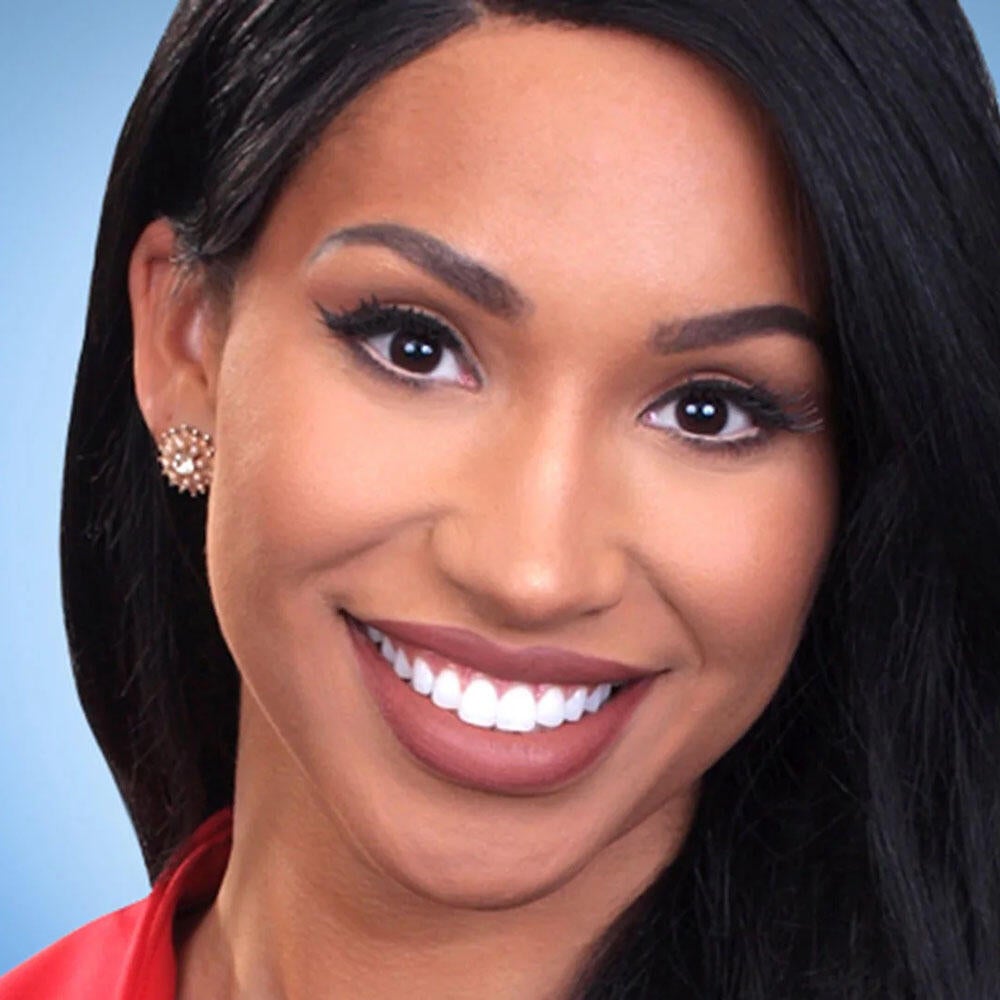
Coach Joya Harris is leading Manual High School's girls swim team -- the school's first team able to stand on its own in decades. For Harris, the return to the pool is both historic and personal.
"I've been a swimmer my whole life," Harris said. "But I also remember what it felt like not to feel welcome."
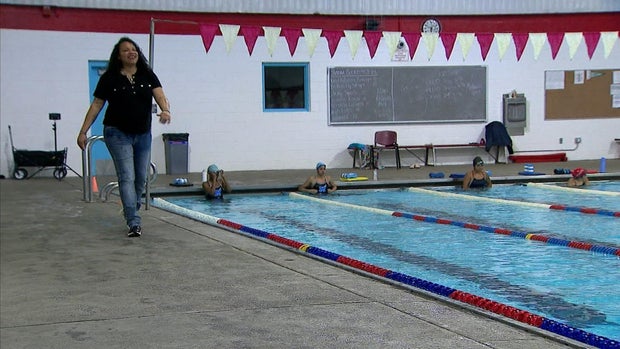
Harris wanted to swim at Manual when she was a student. But at the time, the school didn't have its own girls team. The pool was used by another school's program, and Harris says she felt like an outsider in her own building.
For years, the numbers weren't enough. Denver Public Schools requires at least 12 swimmers to form a team. Harris was determined to build what never existed for her.
At the same time, she's repairing a relationship with water that was broken long before her swimmers were born.
"There's this misconception that Black people don't swim," she said. "But we have to talk about the cultural implications around swimming - lack of access, fear, and history."
For much of the 20th century, Black Americans were barred from public pools and beaches or restricted to limited access. Harris says those experiences created intergenerational fear and distance from water that still shows up today.
"When you walk into certain spaces, whether it's intentional or not, you can feel that you're the other," she said. "It's an energy."
She's open with her swimmers about that history, creating space for conversation and reflection. What makes Manual's team remarkable isn't just who's swimming -- it's where they started.
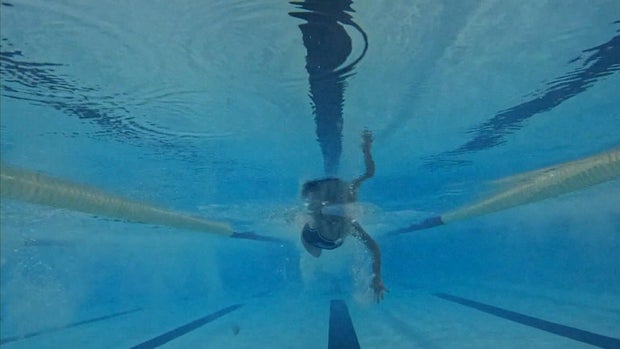
Only two girls on the roster had prior swimming experience. Several learned how to swim and compete at the same time.
"Some of our girls were learning bubbles," Harris said. "Barely could float."
By the end of the season, they were racing athletes who'd been swimming their entire lives.
Freshman Jereni Cane joined the team without knowing how to swim.
"A lot of other girls who didn't know how to swim joined the team as well," Cane said. "And it kind of gave me confidence to try something new."
That confidence matters in a sport where Black swimmers make up less than 2% of competitive athletes nationwide.
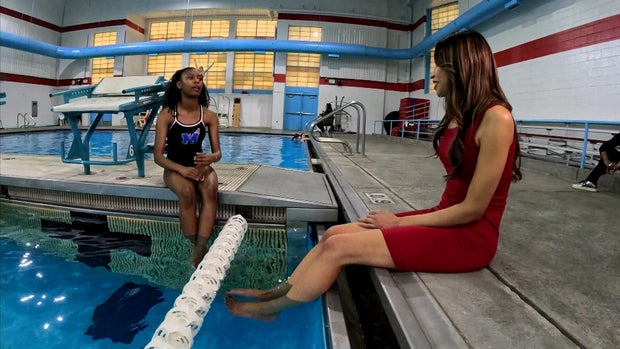
"I was determined to show them we can do this," Cane said. "I know what we're capable of."
Harris says one of the most overlooked barriers for Black girls in swimming is hair -- something deeply tied to identity and self-confidence, especially during adolescence.
"Hair care is a huge barrier," she said. "You already have one routine, and then you add chlorine and water -- it's a whole other thing."
Rather than dismissing those concerns, Harris acknowledges them. She points to the natural hair movement and evolving hair care practices as progress, but says the key is intention.
"You have to make space for those conversations," she said. "Otherwise, you're not really welcoming people in."
Beyond competition, Harris sees swimming as a tool for mental health, particularly for teens navigating stress, pressure, and identity.
"In the water, you're literally surrounded by bubbles," she said. "Learning how to manage your breathing brings you into presence with your body."
She teaches breath control not just as technique, but as regulation, a way to stay calm under pressure, in the pool and in life.
Harris says she is now focused on retention, keeping girls in the program and creating a culture where they support each other.
"The connection is what keeps them coming back," she said. "I wholeheartedly believe every team should reflect the people it serves. They feel like this space is for them."
Lap by lap, Manual's swimmers are doing more than learning strokes. They're reclaiming a relationship with water that was once denied and creating new lanes for those who follow.
"I tell them all the time, I hope you know you can do this impossible," Harris said. "Because you just did it."
For Cane, the season changed how she sees herself.
"No matter how long it takes, I know I can do it," she said. "As long as I stay focused."