Immigration judge weighs whether to release Colorado activist Jeanette Vizguerra
The burden was on the government Friday to justify why it believes activist Jeanette Vizguerra is a danger to the community, or flight risk, and should remain in detention.
She's been held for more than nine months at the Immigration and Customs Enforcement facility in Aurora. This week a federal judge intervened -- ordering the government to give Vizguerra a bond hearing.
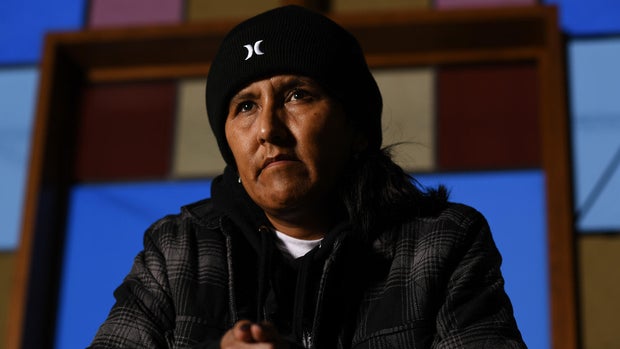
ICE says Vizguerra entered the US illegally and has a final order of deportation. Attorneys for the Department of Homeland Security said that Vizguerra forged documents in order to fraudulently obtain a Social Security card. The government said Vizguerra should not be released because she's demonstrated an "unwillingness to follow the law," recalling how in 2009, she was convicted for driving without a license and proof of insurance, and how she has worked since then without authorization.
Vizguerra's attorneys argued she is firmly rooted in the Denver community, has complied with immigration check-ins for years, and been granted many stays of deportation. Vizguerra has four children, including three who were born in the U.S. Her attorneys say she is being targeted by the Trump administration because of her activism for immigrant rights.
"And that's really the only thing that is crystal clear after today's hearing. This isn't like any other case. This is about the animus that this administration has for Jeanette Vizguerra," said immigration attorney Laura Lichter, who's working with a team of pro-bono lawyers to represent Vizguerra.
A CBS News Colorado producer was inside the ICE facility as detention center officials tried to prevent media from attending the hearing which was open to the public. After attorneys for Vizguerra and the government intervened, and a delay of two hours, all media present was allowed into the bond hearing.
The judge said she needed time to make her decision on whether to grant bond given the complexity of the case, it had just landed on her docket, and that she preferred to respond in writing. Outside the courtroom, Vizguerra's children, who hoped her release was imminent, cried and hugged their mom as a guard asked them to separate.
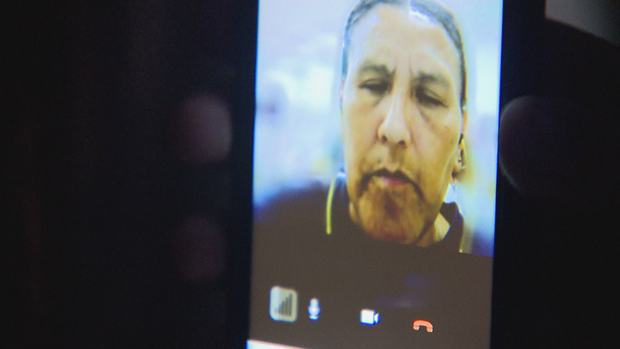
Last month, Vizguerra's U.S.-born daughter Luna Baez Vizguerra enlisted in the U.S. Air Force and during Friday's hearing, government attorneys said Vizguerra's request for military parole had been denied by U.S. Citizenship and Immigration Services.
Vizguerra's lawyer called the abrupt denial unusual, and that she and the Vizguerra family had not been informed of any decision by USCIS. Lichter said the denial would upset Luna, who's now in basic training.
"I think she would be devastated and frankly quite angry to hear how little her service counts for this administration. Generally a person who's the immediate family member of somebody who is serving in the U.S. military or is a U.S. veteran can apply for special consideration," said Lichter.