Iran War drives up fertilizer prices adding more to farmers' woes in Colorado

The dry plains of Colorado have enough challenges for farmers this year, but the rising cost of fertilizer is adding to a difficult situation.
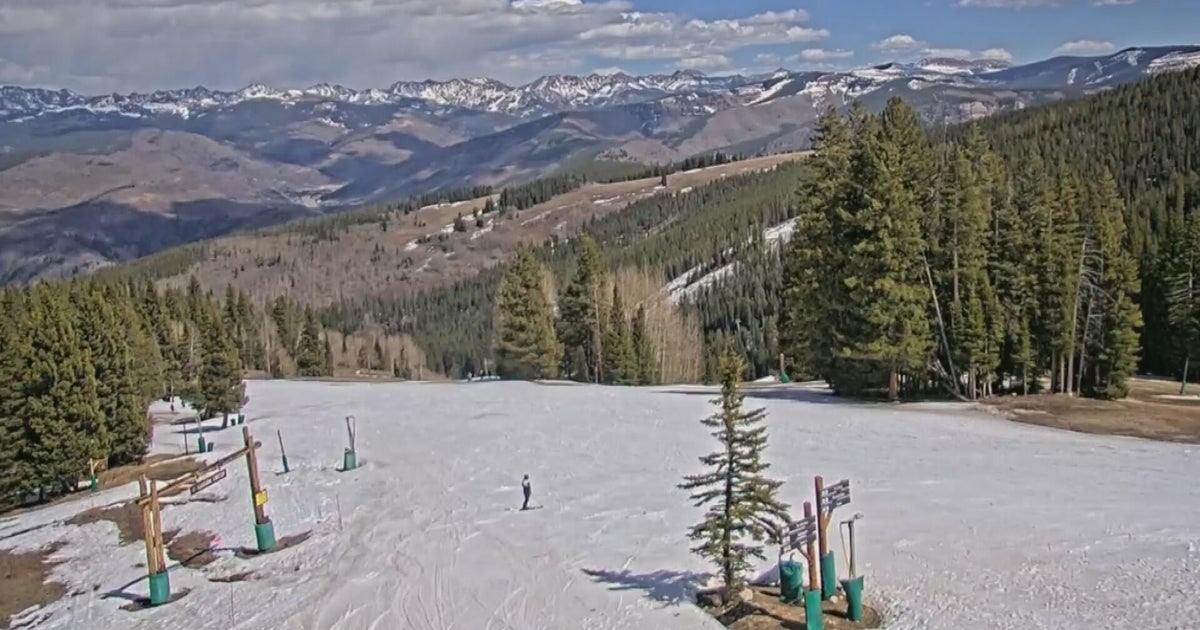
Retired farmer Gerald Haffner in Keenesburg has seen his neighbors struggle with a lack of water due to a bone-dry winter.
"If it was me, I would not plant," said Haffner.
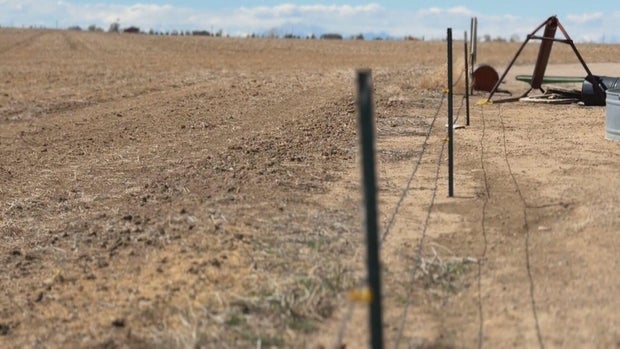
"Yield potential is already looking at-risk, and then commodity prices are down relatively this year. So there's going to be a lot of hard economic choices made on the farm this year," said Zach Burrows, agronomy manager for the Roggen Farmer Elevator Association.
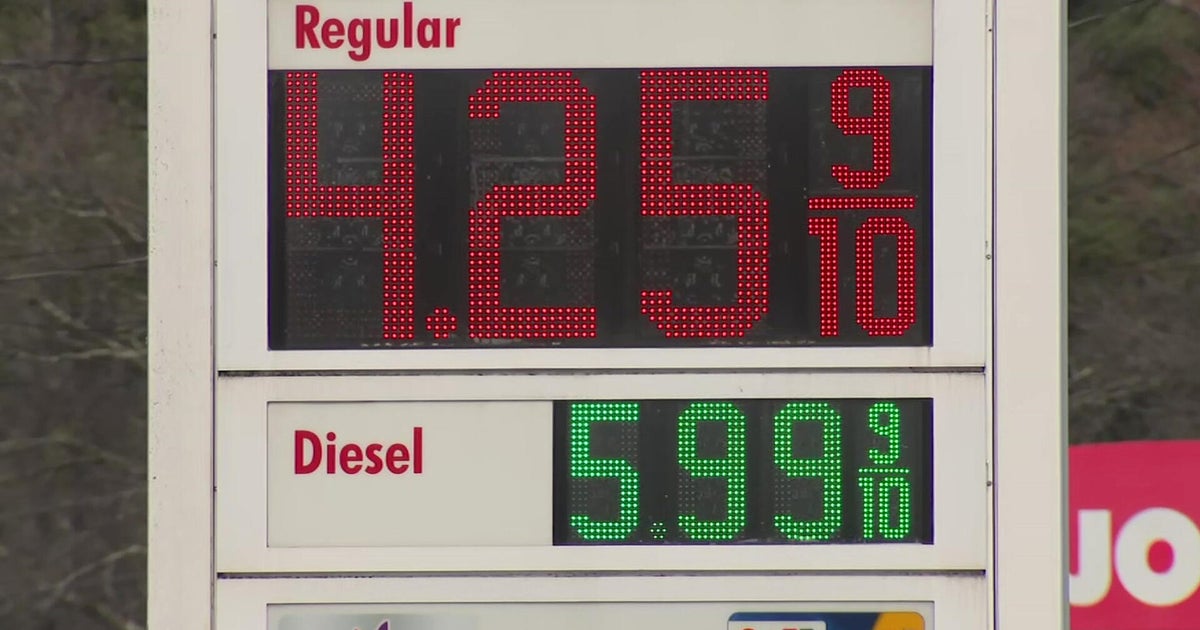
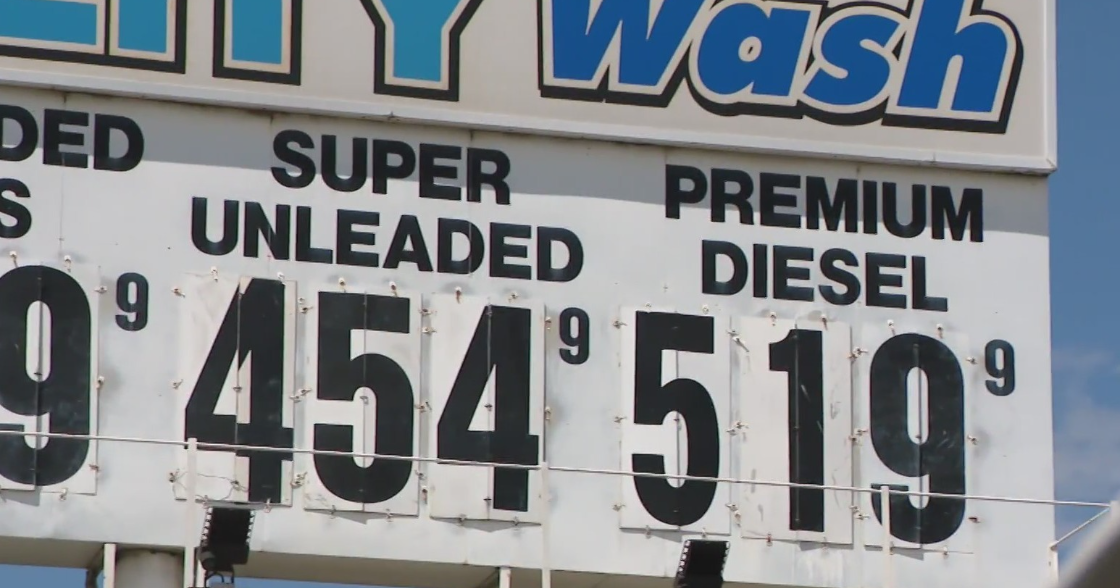
That's just part of the list of challenges for farmers this year. Rising fuel costs are adding to the expense column. Now there's another big one; the cost of nitrogen fertilizer, which often comes in the form of urea, is rising due to war.
"We import a lot of urea into the United States from places like Russia, Europe and the Middle East," said Burrows.
Ukraine used to be a significant supplier. Not anymore.
The outbreak of war with Iran is leading to a big price increase for urea from the Middle East.
"With the conflict right now, there's not a lot moving through the strait, so not a lot of fertilizer moving through there," Burrows explained. To add to the problem, the rest of the world was getting ready to start filling their stocks of fertilizer, he pointed out.
"That caused a shortage globally of urea, which drove the value of nitrogen up," he said.
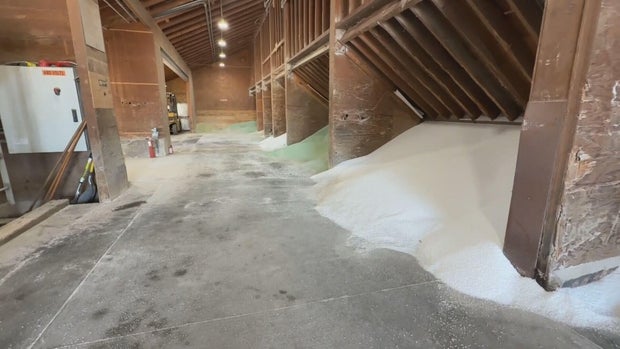
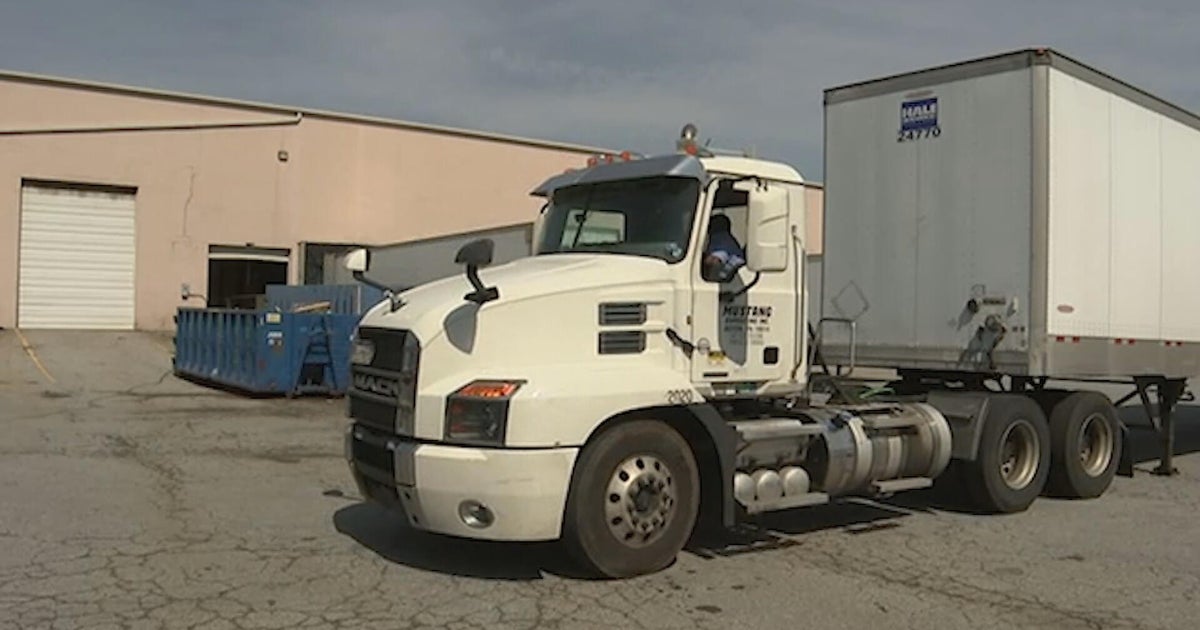
Burrows bought the co-op's supply of urea-based nitrogen fertilizer months ago, but he is inching up prices, partly due to higher transportation costs for moving it by truck or train. It's also in part because he knows the next shipments they seek will be significantly higher.
"As a co-op, we do our best to try to protect our members and keep costs and values low to them. But I do have to look at the future, and when we run out of what I have stored here, I have to purchase and re-stock," he explained. "I have to make incremental price increases to adjust for that re-stock value."
To try an alternative, they switched from urea to liquid nitrogen, which is urea - ammonium nitrate, UAN. That has started climbing too.
The United States does not produce enough of it to meet demand, so the US is importing it as well.
"Then we're having to compete with the global market to bring that in," Burrows explained.
All of it costs farmers more in a year hit hard by weather, and with the potential for some farmers, like those in the South Platte River Basin, to get reductions in their irrigation water allotments. Irrigation is crucial in an area that's primarily dry land agriculture. It could still rain, notes Burrows hopefully. But all of the factors are contributing to what looks like a tough season ahead for Colorado farmers.
"Every day we're trying to decide if what we're doing is the right thing," he said.