Aurora seeks public input on future transportation improvements in Fitzsimons District

Every day, thousands of doctors, nurses, patients, students and visitors travel through the Fitzsimons District in Aurora, one of the state's largest medical campuses. As development continues to expand, city planners are asking the public to help identify transportation challenges and shape future improvements.
The Fitzsimons Transportation Study focuses on the area surrounding the University of Colorado Anschutz Medical Campus, Children's Hospital Colorado, UCHealth University of Colorado Hospital, and the Fitzsimons Innovation Community. Maurice Healy, a senior planner with Aurora's long-range planning division, said the district continues to evolve as both an employment center and a growing residential community.
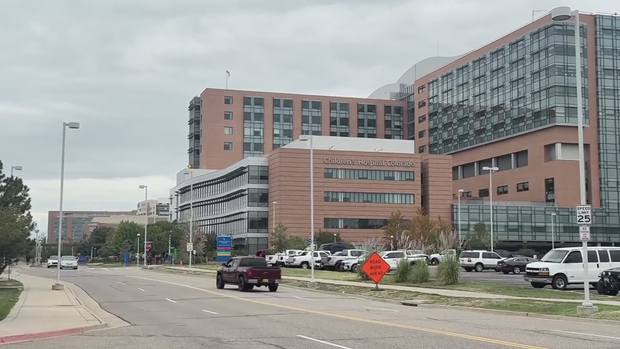
"Fitzsimons is a really unique destination in terms of how many people travel here, and also how they travel here," he said.
Unlike many business districts, Healy explained that Fitzsimons serves a wide range of users throughout the day and night. Hospital employees work around the clock, students attend classes on varying schedules, and patients and families visit medical facilities at all hours. Those distinct travel patterns are one reason the city says a closer look at transportation needs is necessary.
"It doesn't follow a typical 9-to-5 commuting pattern," said Healy.
Since July, the project team has been gathering survey responses, stakeholder feedback, comments pinned to an interactive map and an inventory of existing transportation infrastructure.
"We're looking to hear from anyone who lives, works, or studies at Fitzsimons, or even just travels here, whether that's for medical services or otherwise," Healy said, adding you don't have to be an Aurora resident to take part.
Early feedback has highlighted several recurring concerns, including pedestrian and bicycle connectivity, parking navigation, traffic congestion, and transit service. The interactive map has more than 100 responses, like improving signage for drivers and pedestrians, and exploring opportunities to improve transit frequency and reliability through coordination with RTD.
"We're doing an inventory of existing parking and existing transportation infrastructure on campus, and then we'll draw all that together, present that to our project partners, and really dig into how we can maybe alleviate some of those pressure points and how we can address some of those priorities for our users," Healy said.
The study is expected to continue through 2027, with a final report anticipated next year. That report will include recommendations, estimated costs and potential funding strategies developed in coordination with the area's many stakeholders.
"Everyone has their own needs and their own priorities," Healy said. "So our focus is really landing on agreed shared actions that can improve access and transportation."
The survey and interactive map will remain open through Sept. 30. There are two ways to participate online:


