Fire chiefs in neighboring Denver metro area departments call for dispatch system upgrades

Fire chiefs in two departments northwest of Denver, Westminster and Arvada, say gaps in emergency dispatch technology between neighboring departments can slow response times and, in some cases, limit how quickly help arrives.
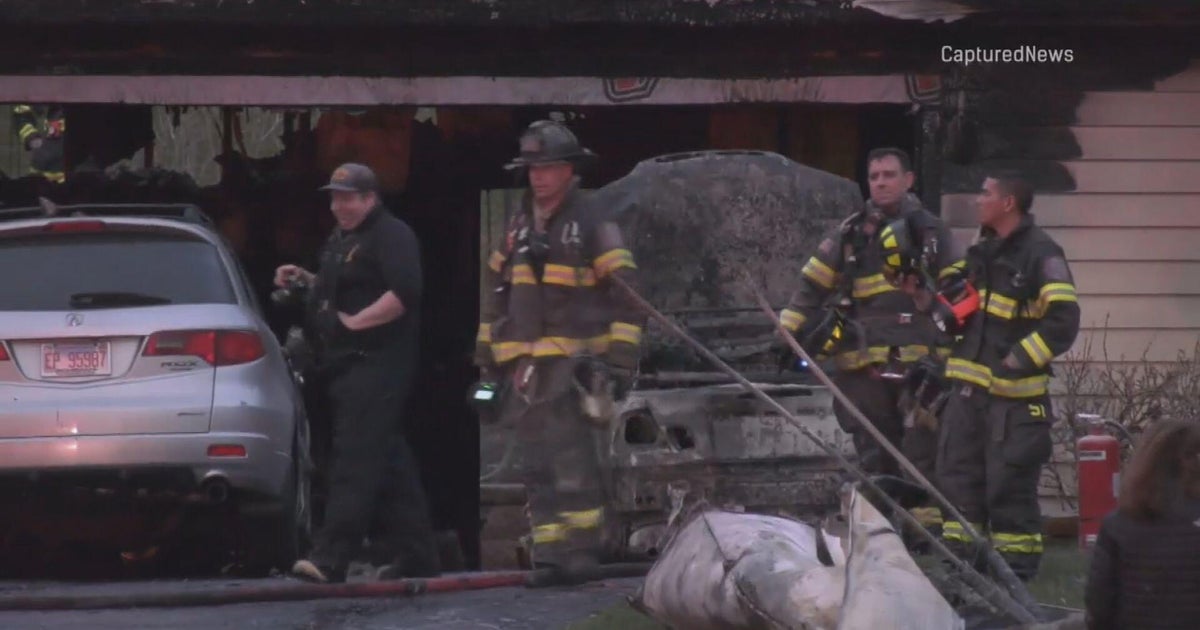
The discussion comes months after a Jan. 13 fire at a home on North Marshall Court that killed a father and his 9-year-old son. The house is now boarded up and fenced off, with a faded Christmas wreath still hanging on the door, a reminder of the life left behind.
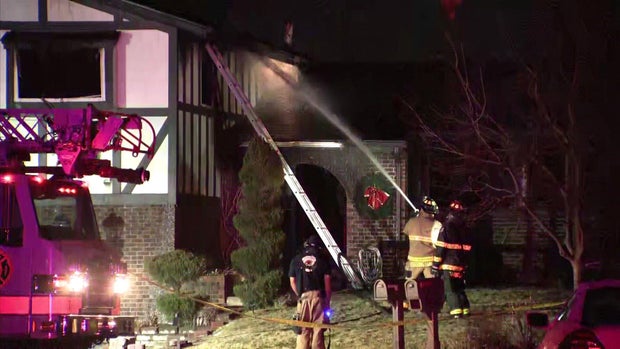
Just after midnight that morning, Westminster dispatchers answered 911 calls reporting a structure fire. Crews from Westminster and Adams County were dispatched and arrived within six minutes, officials said. But Arvada Fire Protection District crews, including a station less than a mile from the home, were not notified, even after a second alarm was issued.
Fire officials say the reason highlights a broader issue: Westminster's computer-aided dispatch system, commonly known as CAD, does not connect with Arvada's.
Westminster Fire's CAD system tracks the department's equipment and personnel in real time.
In 2019, the city connected its system with several other agencies, including North Metro Fire Rescue, Adams County South, Thornton and Broomfield. That connectivity allows dispatchers to see available units across jurisdictions and coordinate a faster response.
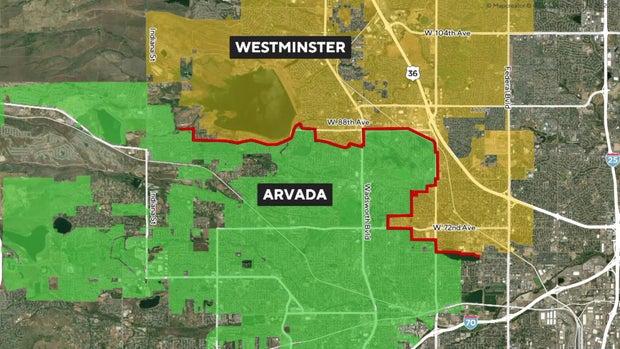
Despite sharing miles of borders, Arvada is not part of that network.
"Not being able to see where certain apparatus and equipment can be a disadvantage," Arvada Fire Chief Kirk Locks said.
Without a direct CAD-to-CAD connection, requests for Arvada's assistance must be handled manually, typically by phone, slowing the process during emergencies.
"We don't have that CAD-to-CAD, we don't have that dispatching efficiency today, and so to request Arvada's assistance is that manual process," Westminster Fire Chief Erik Birk added.
Arvada Fire is dispatched through JeffCom, the Jefferson County Communications Center Authority. JeffCom operates its own dispatch center and CAD system, which currently connects to several South Metro fire agencies but not to Westminster.
Kevin Beigert, JeffCom's deputy director of information technology, said while a single, centralized dispatch hub would be ideal, multiple systems can still work together if they are designed to share data.
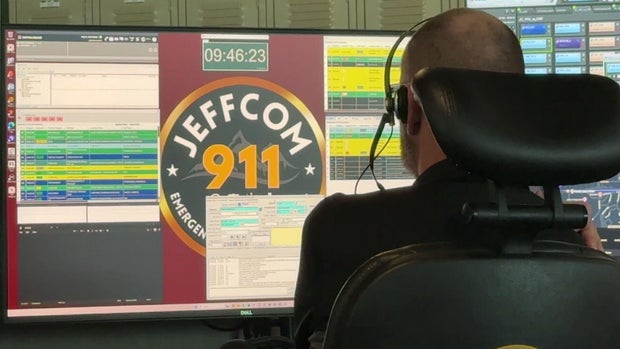
"We can accomplish the same capabilities, so if that means there are multiple hubs, and we make the hubs talk with each other, it accomplishes the same mission of 911. We want the information to flow and interoperability to be seamless," he said.
JeffCom is in the process of selecting a new CAD vendor, and Beigert said future interoperability with neighboring agencies is a priority.
"We are somewhat limited in that 911 doesn't build the software that enables these sorts of things, so we have to be very selective of our vendors and our partners and make sure we are strategic in how we deploy these solutions," said Beigert.
Fire chiefs on both sides say faster and more seamless connections between dispatch systems would help get crews to emergencies more quickly and potentially save lives.
For now, leaders say the conversation must continue not just among fire agencies, but also with dispatch centers, county leaders, and vendors responsible for the systems that guide first responders.
As Birk put it, the goal is simple: reach patients and emergencies as fast as possible.