Federal judge in Colorado flags immigration bond hearings with "preordained outcomes," orders release of asylum seeker
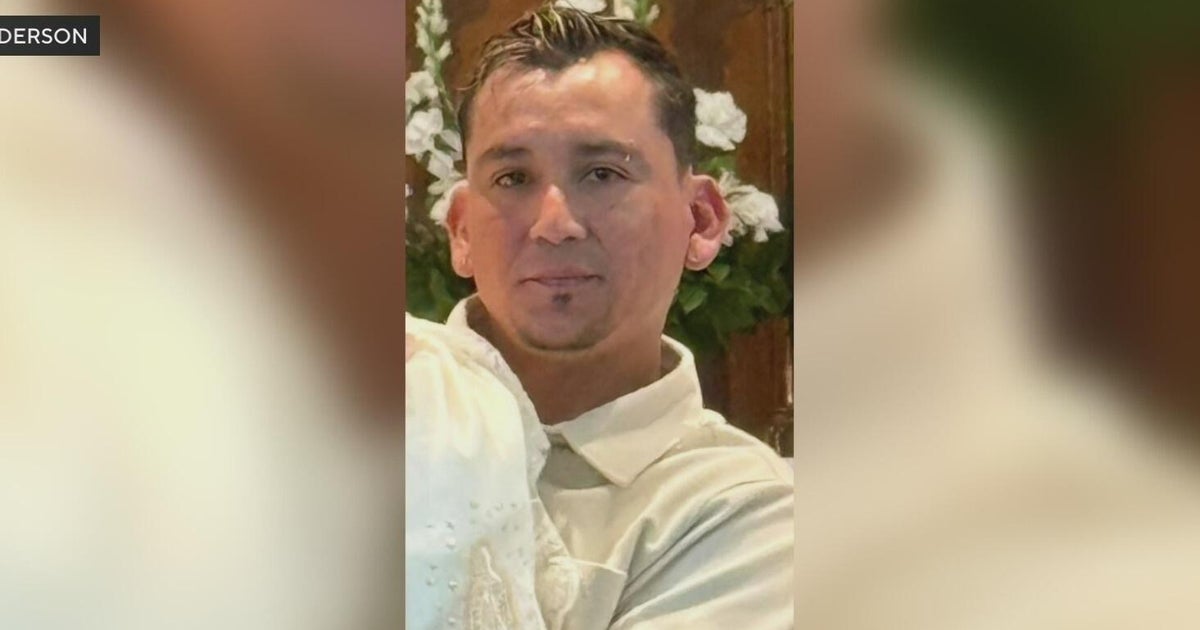
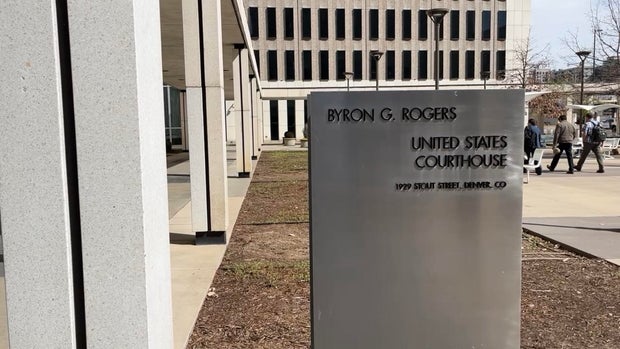
A federal judge in Denver ordered the release of an asylum seeker last week, citing concern that immigration courts in Colorado are not conducting neutral and fair bond proceedings to determine whether detainees pose a danger or flight risk.
The order seeking the immediate release from ICE custody of Gurjant Singh came in response to a writ of habeas corpus.
A writ of habeas corpus seeks to determine whether detention is legally justified. It doesn't address the merits of a case (in this case, the asylum claim). It seeks a response to the fundamental question: Does the government have the legal authority to hold this person?
The court also advised Singh that he had the right to seek attorneys' fees from the government under the Equal Access to Justice Act.
Immigration attorneys in Colorado and around the country are using habeas corpus petitions because they go to federal courts, which are not under the executive branch's control in the way immigration courts are.
"The case involves an all too familiar fact pattern," the order by U.S. District Senior Judge William J. Martínez states. "Singh is an asylum seeker who first entered the United States in November 2023."
Singh was detained by ICE on Feb. 28, 2026, after being stopped by a state trooper. He had a flat tire, and the government does not dispute that he has no criminal record.
"Singh argues that a bond hearing before an IJ (immigration judge) is an inadequate remedy because it is unlikely to be a fair one. He asserts a long list of reasons why a bond hearing is unlikely to be a fair proceeding. The court shares these same concerns, not the least of which is his averment that IJs "often cite little or no reasoning in determining that noncitizens are a flight risk."
"Recently, this court learned that an IJ declined to release a petitioner on bond for whom it had ordered a bond hearing — in a summary decision that merely stated (the denial) without any citation to specific facts."
"Based on the observations of fellow judges across the country, the court is far from convinced this was an isolated incident. To the contrary, the mounting evidence that bond determination hearings conducted in immigration court have preordained outcomes has become impossible to ignore," Martinez stated in the order.
The U.S. Attorney's Office for Colorado declined to comment on the case. CBS Colorado also reached out to the Department of Justice's Executive Office of Immigration Review, where immigration judges are employed. Those administrative judges are appointed by the attorney general to conduct removal proceedings and decide immigration cases. The EOIR responded saying it "declines to comment on litigation-related matters."