Deepfake ad of Colorado state senator prompts first-of-its-kind court case
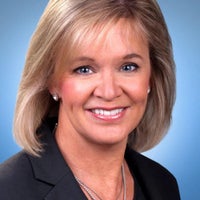
A deepfake political ad is at the center of a precedent-setting court case in Colorado.
Deepfakes use artificial intelligence to generate fake images of a person that look and sound real.
The ad in question is in opposition to Proposition NN, which allows the state to keep money it would otherwise have to refund taxpayers and use it for education among other things.
Democratic state Sen. Cathy Kipp sponsored the bill that put Prop NN on the ballot. She insists it's not a tax increase because taxpayers have already given the money to the state.
Opponents disagreed and made an ad to make a point. The ad shows an AI-generated deepfake of Kipp as a store clerk who refuses to give customers change when they overpay and instead tells them, "Our new policy allows us to keep customers change to help educate children."
Kipp filed a campaign finance complaint saying the ad violates a state law that requires specific disclaimers for deepfakes unless they're satire or parody.
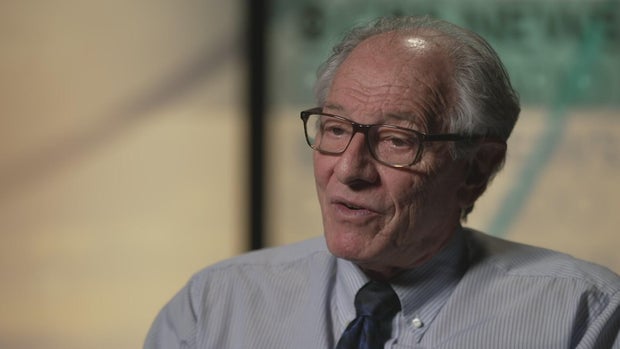
Attorney David Lane is representing the Independence Institute, the libertarian-leaning think tank that paid for the ad. He says there is a real danger to AI-generated images, and, had the deepfake shown Kipp making a blatantly racist speech or taking a bribe, it would be different. But he says the ad is obviously satire and parody.
He filed a motion to dismiss Kipp's complaint. "The test for parody and satire is would a reasonable person watching it understand that it's parody or satire," Lane said. "No reasonable person would believe, 'Oh, this is an actual event. She's actually stealing money as a grocery store clerk.'"
But the state elections division has a different take. It says satire and parody are "grounded in humor." The deepfake, they say, isn't comic relief but political advocacy.
Lane says political speech is perhaps the most important type of protected speech.
"The message that this is sending to the public is, 'Don't come after thin-skinned politicians because it's gonna cost you money,'" Lane said. "They're trying to shut the Independence Institute up by intimidating them with bogus administrative claims like this, and they're going to be answering to a federal judge at the end of all this as to why they don't understand the First Amendment to the Constitution."
Lane says the U.S. Tenth Circuit Court of Appeals has found bad faith investigations alone are violations of free speech. He plans to sue Kipp and the state for his attorney fees.
Kipp previously released a statement saying, "We should not allow the rampant misuse of AI and the spread of false information to become normalized in our elections."


