Debate over police surveillance and Flock cameras moves to Colorado State Capitol
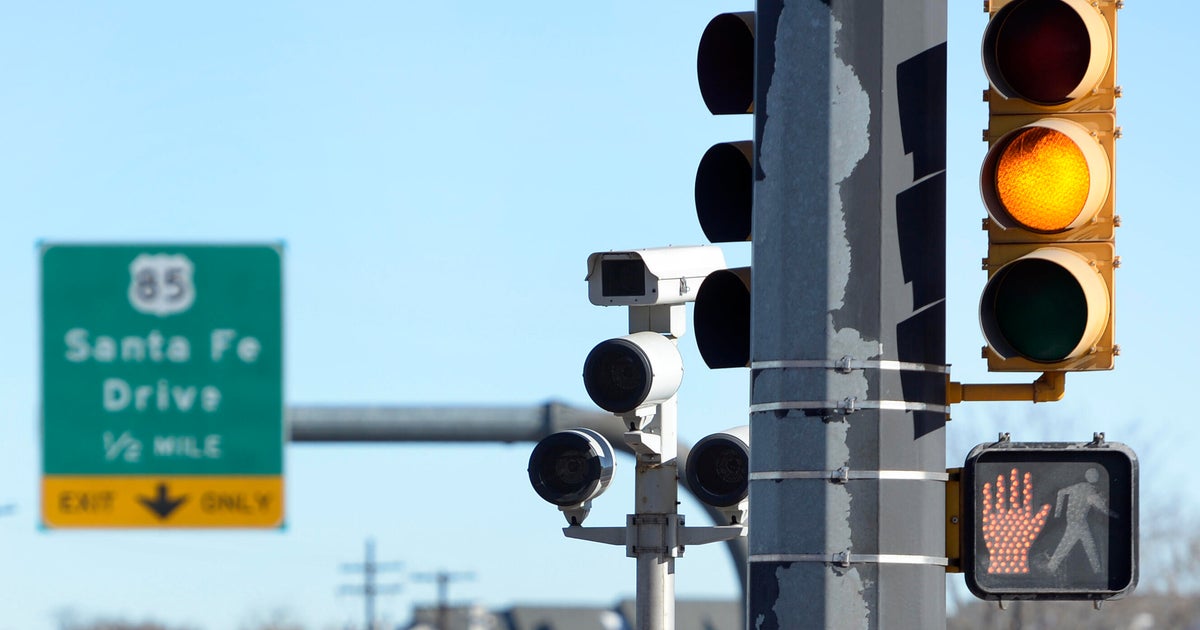
On Monday, Colorado lawmakers will debate a bill limiting how and when police can use drones and license plate readers like Flock. There's no question that the cameras help solve crimes. The question is - at what cost to our privacy?
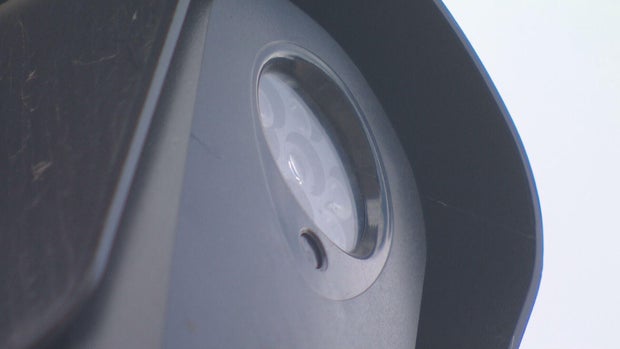
License plate readers have become increasingly sophisticated. Many have audio detection and can stream live video. Some track not only vehicles but people, including innocent people. And police can access the data without a warrant.
If law enforcement wants to track a person using GPS or their cellphone data, they need a warrant based on probable cause. But if they want to track a person using thousands of cameras mounted on light poles and police cars across the country, they don't.
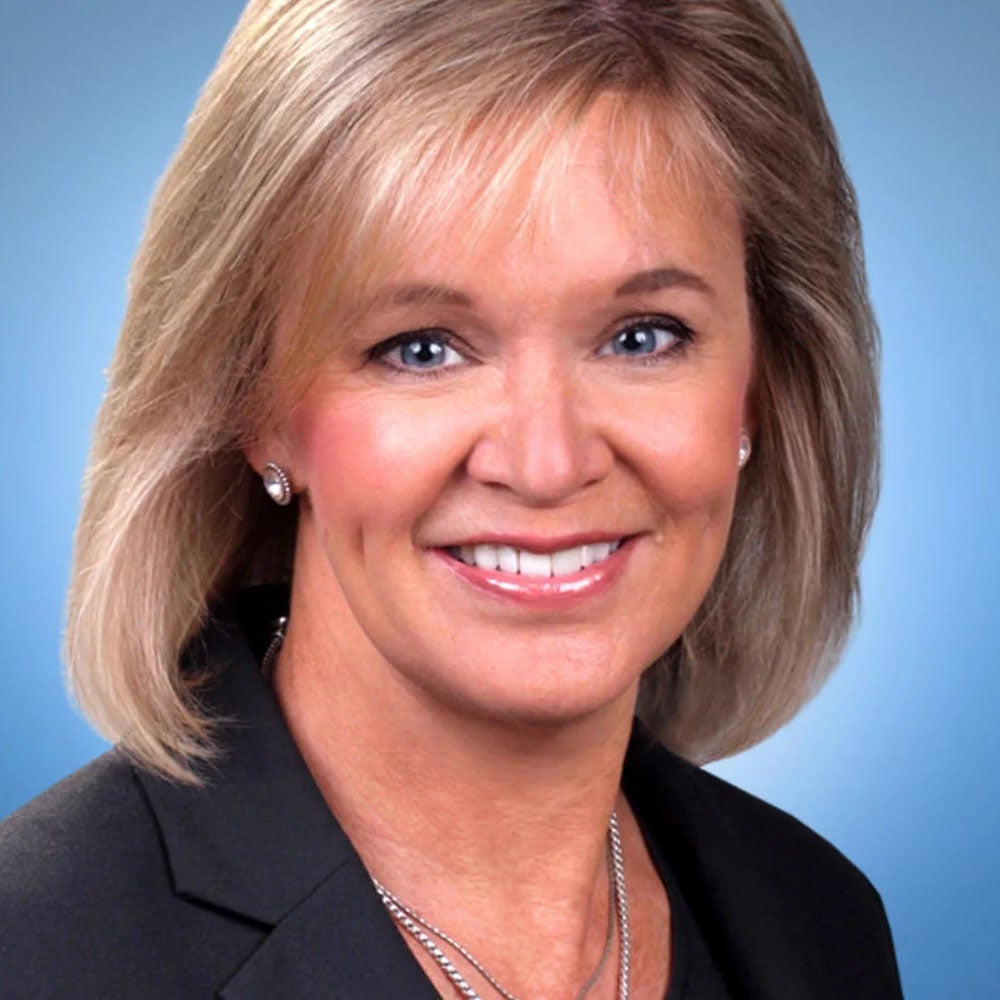
State Sen. Judy Amabile says they should, "There's a balance that has to be struck."
Amabile has been trying to find that balance since raising concerns about the cameras in the CBS Colorado story last year.
"After that, I got a lot of calls from people who were really concerned."
She's introduced a bill aimed at addressing some of those concerns. Among other things, it would prevent law enforcement from accessing location data older than 24 hours without a judicial warrant, unless there's an active criminal investigation or imminent threat.

"You can go online, 24/7, and put in a request for a warrant. Ninety percent of them are granted and mostly they're returned within a couple of hours," says Amabile.
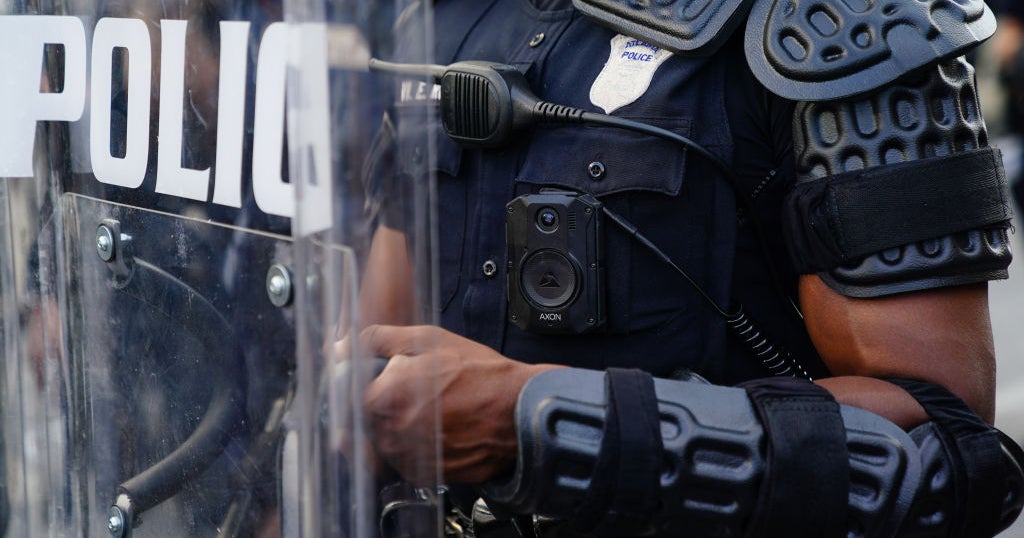
Arvada Deputy Chief Todd Reeves disagrees, "There are times when it takes up to 10 days to get warrants signed."
The Colorado Association of Chiefs of Police is among those opposing the bill.
Reeves says the courts have already weighed in on the question of warrants and said they're not needed for searches of location data collected by license plate readers.
"We respect the privacy, and we understand that need, that balance between public safety and privacy. We are going beyond what the courts have already ruled," said Reeves.
The bill also requires agencies to appoint a supervisor to oversee searches of location data, keep a record of everyone who conducts a search, destroy all data after four days, absent a warrant or written justification from a supervisor, and not share data outside their jurisdiction without a court order.
Information retrieved in violation of the bill is inadmissible in court.
"These cameras have a legitimate law enforcement purpose, and they are helping to solve crimes, and I would like for that to continue, but I need guardrails," says Amabile.
Reeves agrees guardrails are needed; he says the bill will lead to the destruction of data that could help solve later crimes and will hurt collaboration among departments.
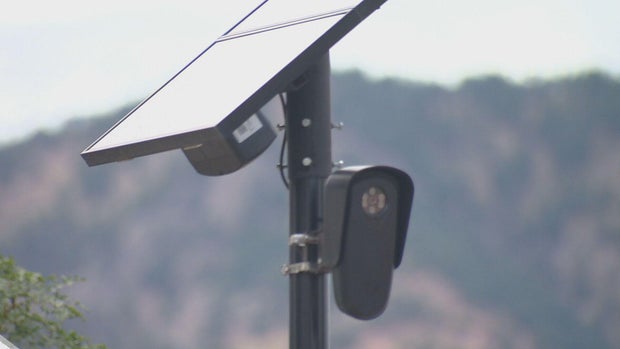
"If this happens, we're going to have to make that evaluation of whether this is technology we can still afford and make it worthwhile for the tradeoff of public safety versus privacy," said Reeves.
The bill provides an exception for searches involving parking, traffic, and toll enforcement.
Flock had planned to update the software on all its license plate readers last year so that they could all stream live video, but it says that's been delayed.
The company released a statement saying, "Flock safety strongly supports legislation that creates guardrails for how license plate recognition data is used and shared, enhances transparency, and helps build public trust - while preserving the efficacy of this important public safety tool."