Disabled Colorado grandmother fights back after notoriously unreliable drug test finds cocaine in her purse
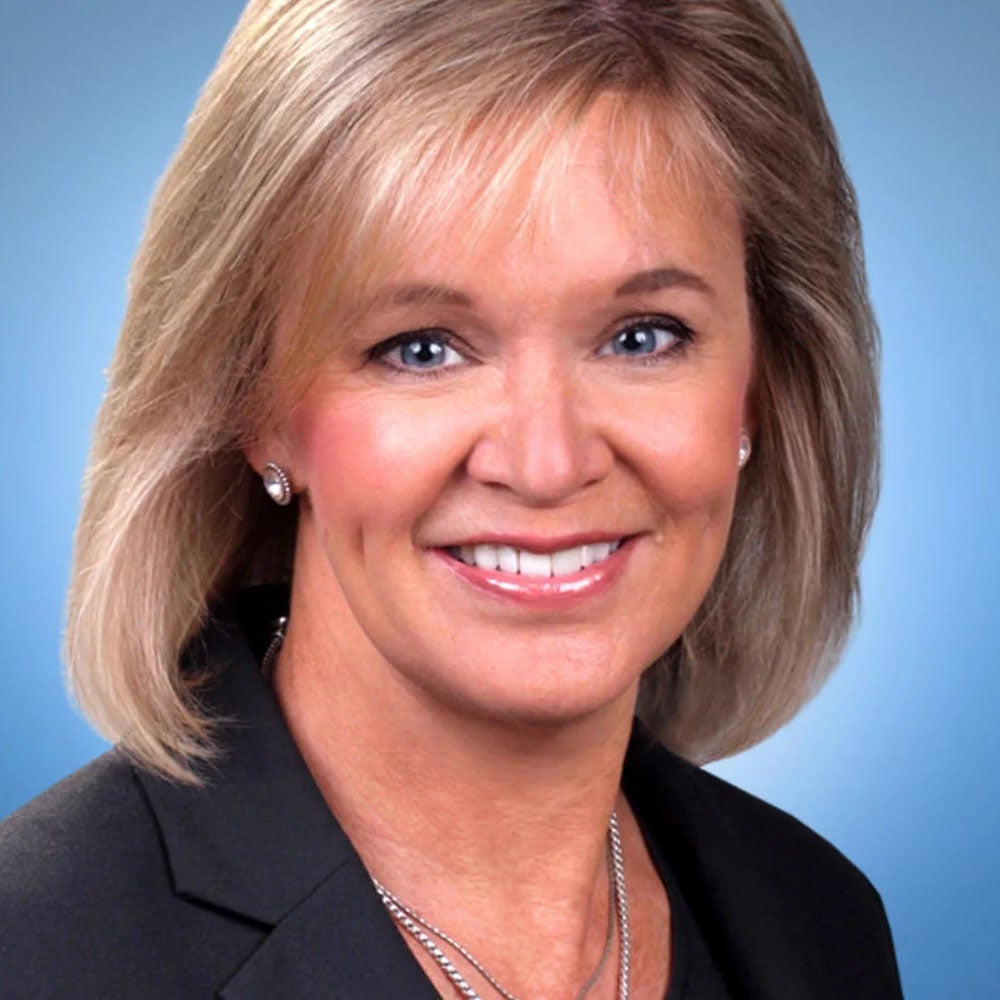
Holly Bennet doesn't remember the ambulance that rushed her to a Colorado hospital in septic shock, or the MRI that showed her back was riddled with abscesses, or the emergency surgery that saved her life. All she remembers is waking up to a Boulder police officer standing in her hospital room.
"And he says 'I'm giving you a ticket for possession of cocaine.' I said, cocaine? Cocaine? I don't do cocaine. And he said, 'Well, that's what was in your purse.'"
Bennet says the hospital found a prescription drug crushed in her purse and turned it over to police who -- using what's known as a colorimetric field test -- determined it was cocaine. The Boulder District Attorney's Office offered Bennet diversion if she pleaded guilty to possession.
She refused.
"I don't want to lie," she said.
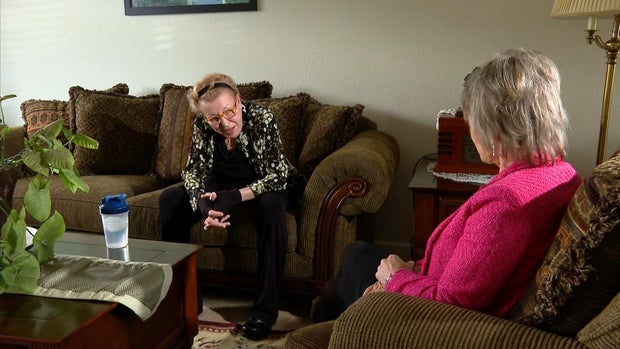
Instead, she hired attorney Noah Stout to represent her.
"The prosecutor said this is pretty cut and dry," said Stout.
He says the prosecutor refused to re-test the substance despite research showing colorimetric drug tests have a false positive rate of nearly 40%. Sugar, vitamins, even bird feces have tested positive for illegal drugs resulting in an estimated 30,000 people being wrongfully charged each year. The Department of Justice has warned the test should not be used as a basis for an arrest and that a second lab test should be used to confirm the results.
But, according to the University of Pennsylvania Carey Law School, 90% of prosecutors accept guilty pleas without any follow-up testing.
"When you're standing in front of law enforcement then they shake something and they're like 'you have it,' people don't know how they can fight that. And so they're just taking deals," said state Rep. Jennifer Bacon.
She and state Rep. Lindsay Gilchrist are hoping to change that with a bill that requires law enforcement who use the test to issue a ticket instead of making an arrest in misdemeanor cases and advise people, before they make a plea deal in felony cases, of the test's error rate.
Defendants would also have the right to request a second test by a lab.
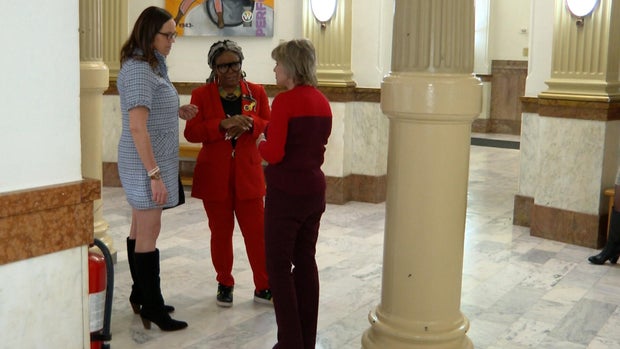
"All those months of paying for an attorney and the stress of that, it's just not fair," said Gilchrist. "So, we just wanted to make sure that is not the case anymore in Colorado."
Bennet testified in favor of the bill.
"I want people to know that they can fight it. They should be able to demand a retest without having to hire a lawyer," she said.
Stout says Bennet got a second test only after she agreed to pay for it. He says it showed the substance in her purse was a prescribed medicine, not cocaine.
"Holly stood up and fought for what was right," Stout said. "What I'm terrified of is there are people who don't have the resources, the tenacity of Holly who might just be pressured into taking a plea bargain."
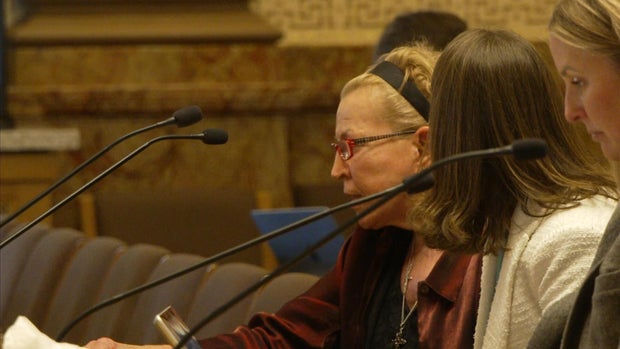
Ultimately, Bennet didn't have to pay for the second test. But the year-and-a-half ordeal took a toll on her finances and health. She says she had to take a second mortgage out on her house and, at one point, a Boulder judge threatened to throw her in jail because she missed a hearing due to being hospitalized.
She would like to see the test -- which has been around for decades -- outlawed, but a task force made up of people from across the criminal justice spectrum came up with the bill as a compromise.
Stout says it will named Holly's Law if it passes. It's already made it out of the House and passed the Senate Judiciary Committee Monday with no opposition. State Sen. Lisa Frizell and and state Sen. Matt Ball are the Colorado Senate sponsors.