Colorado trade schools face instructor shortage as student demand on the rise

At Emily Griffith Technical College, thousands of students learn the ins and outs of trades such as auto repair, welding, and HVAC. However, behind the scenes, school leaders are grappling with a growing challenge: finding enough instructors to meet student demand.
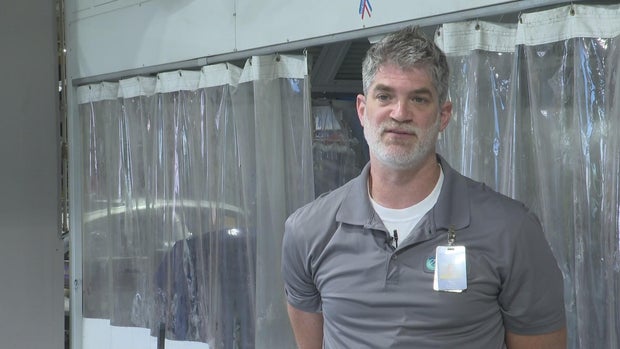
Gideon Geisel, dean at the college, said there's no real pipeline for recruiting instructors in the trades.
"Throughout the year, you're always going to have a need for additional instructors," Geisel said. "But there's no pipeline. To even find a candidate could take six to nine months."
Currently, the school operates with about 17 instructors -- a full staff, according to Geisel. But when a part-time HVAC position opened last year, it sat vacant for six months before the college could fill it. The position was only filled after outreach to industry connections and community partners.
Despite strong enrollment numbers and waitlists for several trade programs, the college says the real barrier isn't student interest -- it's finding qualified professionals.
"The education industry as a whole doesn't pay a lot," Geisel said. "And in the trades, your earning potential is very high. So we have to thread the needle -- offering enough compensation while appealing to professionals who genuinely want to teach."
A part-time welding instructor at Emily Griffith can earn about $45 an hour. Still, many working professionals in some fields earn significantly more in their field and aren't willing to take a pay cut to teach.
The instructor shortage is not unique to Emily Griffith. Other trade schools across Colorado and the nation report similar challenges.
The lack of instructors directly impacts how many students schools can train.
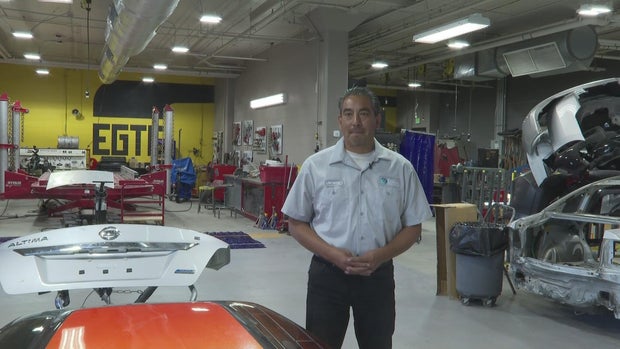
Jeremy Barrera, an auto instructor at Emily Griffith, said his passion for teaching comes from years spent working in his father's shop. Now, many of his former students have gone on to run businesses of their own. But the instructor shortage, he said, impacts class sizes.
"We already have a waiting list," Barrera said. "If we had more instructors, we could actually run another class at the same time in a different section."
To fill recent vacancies, the college partnered with Denver Public Schools, contacted industry professionals, emailed alumni, posted on LinkedIn, and advertised on state job boards. Even with that outreach, it took months to fill just one part-time role.
School officials are encouraging experienced tradespeople to consider teaching -- even part-time or as substitutes -- to help bridge the gap and train the next generation of electricians, HVAC technicians, welders, and auto techs.
"This is a national issue," Geisel said. "We have full classrooms, but we can't expand without instructors."