Colorado Parks and Wildlife puts a pause on new wolf translocations in the state in 2026
Colorado will not be getting any new gray wolves in the near future. Colorado Parks and Wildlife said the agency is taking time and extra steps to ensure the safety of livestock and wolves, and that there are no plans to translocate additional gray wolves for release this season.
"During this intermediate time, CPW will continue to meet with producers and other stakeholders, including U.S. Fish and Wildlife Service, to explore how to maximize the restoration effort and achieve our plan of establishing a self-sustaining gray wolf population in Colorado," said CPW Acting Director Laura Clellan. "Our team has invested in a significant conflict minimization program, and we look forward to exploring how we continue to improve this program with producers to protect both livestock and wolves."
The Wolf-Livestock Conflict Minimization Program introduced several changes in 2025, including hiring a wolf damage and conflict minimization manager to oversee payments for wolf damage and establishing the Colorado Range Riding Program, which is set to expand this year.
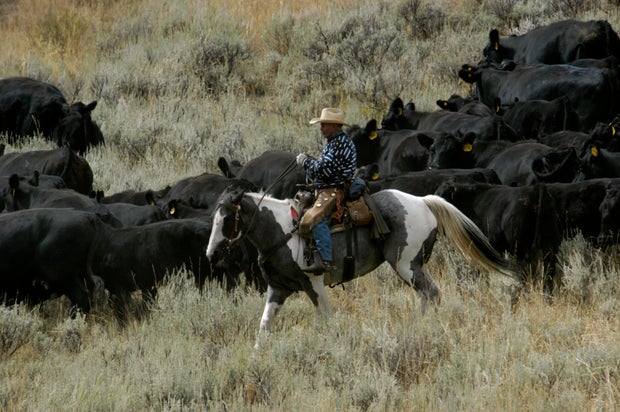
The Colorado Cattlemen's Association said it believes the decision to pause translocations is a step in the right direction, but stressed that there are still livestock that need protection now.
"A pause in releases must not mean a pause in action," said CCA President Curt Russell. "Producers are living with wolves today, and effective management tools, compensation, and responsiveness from the state are critical during this period."
CPW officials said the impact of pausing future releases will depend on the survival and reproduction of existing packs.
"When populations are small, the contributions of each individual is especially significant. It is not possible to predict the impact of foregoing a third year of translocations without knowing what may occur in the coming year. If mortality remains high, as observed in 2025, the risk of failing to achieve a self-sustaining wolf population in Colorado increases, potentially requiring additional resources to address," said CPW Wolf Program Manager Eric Odell.
The agency said it's exploring options to bring in more wolves in winter 2026/2027. If translocations resume, it's unclear where those wolves might come from.
The U.S. Fish and Wildlife Service is looking into the introduction of 15 wolves from British Columbia in 2024, which they say violated the agency's permit on where they can obtain wolves. Meanwhile, Washington's Department of Fish and Wildlife has determined it will not relocate any wolves to Colorado at this time because the animals remain endangered in Washington state.