Colorado nonprofit calls for support of mothers in substance abuse recovery
Addiction recovery advocates say more resources are needed for mothers battling drug addiction.
Advocates for Recovery Colorado say it is opening three new centers in the state because the need has grown, and it's mission to serve those struggling is crucial.
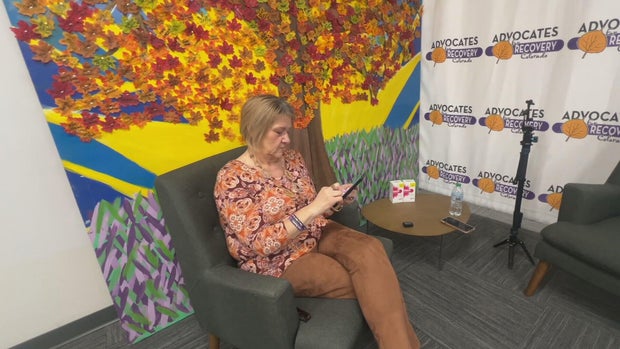
Tonya Wheeler, executive director of AFRC, sat in her office as she looked at a picture of herself from more than 20 years ago. The image automatically brought a wave of nostalgia to her.
"The most euphoria feeling, and for somebody who has the disease of addiction, that is the hook," Wheeler epxlained.
Wheeler, a mother and grandmother, now serves as a voice for the recovery community. Her wakeup call, however, came decades ago when she went to jail.
"I knew I was down to two choices: Either ask for help or die and leave my children and my family behind," Wheeler said.
At the nonprofit, Wheeler works to help people dealing with similar journeys, emphasizing the need for nonjudgmental, accessible support, especially for mothers.
"I can imagine what it's like today to be pregnant and to have children and to have a substance abuse disorder and need help,: Wheeler said. "But be so afraid that people are going to take away my children and my freedom."
Welfare data shows 64% of cases where a child is removed from their home is due to neglect. Wheeler says the current system in Colorado does not have enough treatment resources available.
"It is unacceptable that people are having to wait a month or two to get into treatment, especially when we are talking about children and pregnant women," Wheeler said.
In 2019, the state allocated $500,000 in general funds for a pilot program to serve mothers receiving substance use treatment.
One of the grants funds a mobile child care classroom ran by Illuminate Colorado for children that parks outside their parent's treatment facility.
It serves as a motivator to encourage mothers to seek help, but the organization says the funding for the pilot program is set to run out soon.
"What we need is easier access and funding for people to be able to access these services," Wheeler said. "As a state, we've gotta figure that out. How do we provide access to people instead of putting them in a prison cell?"