Some Colorado lawmakers want to try something entirely new to lower homeowners' insurance, and it involves fees
As homeowners struggle to afford soaring insurance premiums, state lawmakers are considering a first-in-the-nation program to help provide relief.
Colorado now has the fourth highest property insurance rates in the country. The Rocky Mountain Insurance Information Association says premiums in Colorado increased 58% on average between 2018 and 2023, compared to 34% nationwide.
According to Insurify.com, the average cost for homeowners' insurance in Colorado is $6,079 for $500,000 in dwelling coverage with a $1,000 deductible.
The new program would involve new fees aimed at lowering premiums while keeping insurers from leaving Colorado as they have other states at high risk for natural disasters.
Colorado is seeing an average of five disasters a year that run more than $1 billion, causing insurers to pay out more in claims than they take in in premiums.
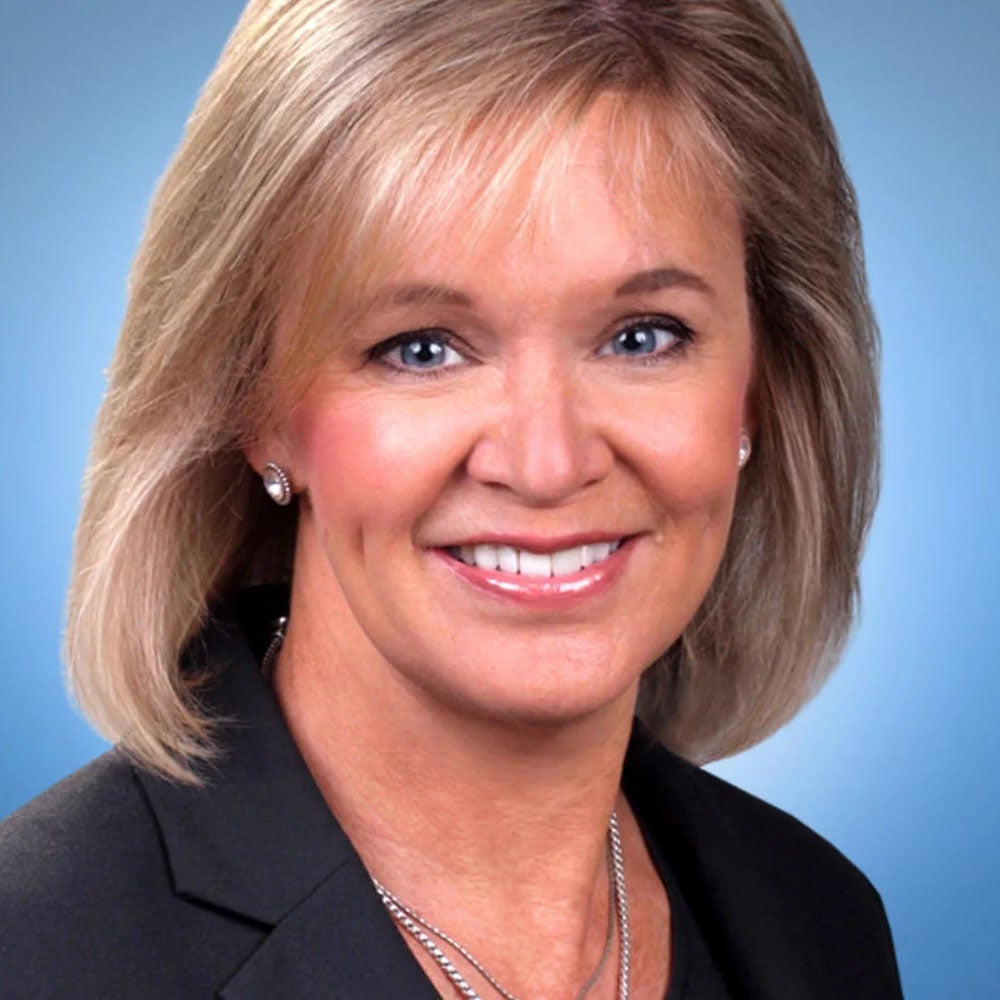
Carol Walker with the RMIIA says hail is biggest factor in our high premiums.
"It's up to 60% of what you pay in a policy in hail alley, which is most of our state," she said.
Walker says, while homeowners can't control the weather, they can limit the damage with hail-fortified roofs.
"Insurance companies, many of them already give a discount for that, and then having more fortified roofs in place at a large scalable level could really have an impact on what we pay on premiums," Walker said.
The roofs cost about 10% more.
A bill by state Rep. Kyle Brown and Speaker Julie McCluskie would impose a .5% fee on every homeowner's policy in Colorado to help fund fortified roofs. If you have a $3,000 policy, the fee will run $15.
The money -- about $13 million -- would go into a state enterprise to provide grants for hail-proof roofs and wildfire mitigation.
"What we are seeing is increased losses, more people needing to shell out of pocket for these incredibly large costs," Brown said.
Insurers are also shelling out more, and Brown's bill would help them, too, with a first-of-its-kind program. It would assess another .5% fee on homeowners' policies to fund another $13 million enterprise that insurers could tap in to if there's a large disaster. But here's the catch: in order to qualify, an insurer would need to lower premiums and offer policies in high-risk areas.
Walker says the bill leaves a lot of unanswered questions.
"How would the money be divvied out if you had a catastrophic fire? How do you identify those high risk wildfire areas? And then, how would the participating insurance companies even function in a client situation?" Walker said.
She worries many insurers won't participate.
Brown says he's committed to making the program work.
"If there are hiccups that come up through this, we will fix them and make it workable because, if we have program that we set up that no one uses, that doesn't do us any good," Brown said. "We don't have time to wait. And our insurance market is in a very vulnerable and unstable place right now."
Walker agrees but worries enterprises take time to set-up and have administrative overhead, noting it took four years for a natural disaster mitigation enterprise -- also funded with insurance fees -- to issue its first grant.
"I think that we really need to be taking look at all of these different pots of money and these enterprises and making sure they're going to things that will actually reduce rates for people and make a difference in homeowners' bottom lines."
Under another bill by Brown, most Coloradans would get a "wildfire risk score" for their home, along with the criteria our insurer used to come up with the score, and information about how to improve or appeal it.
Brown says the goal is to create more transparency around how rates are set and make sure homeowners are doing mitigation that actually factors into their rates. That bill awaits Gov. Jared Polis's signature. The other bill received initial approval on Tuesday in the state House.