Colorado special session winds down with increased taxes for businesses and no agreement on artificial intelligence regulation
State lawmakers passed four bills raising taxes on Colorado businesses as a special legislative session stretched into a fifth day.
Gov. Jared Polis called lawmakers back to work after President Trump's "Big Beautiful Bill" cut taxes, leaving the state without enough revenue to cover expenses.
This year's budget is short $750 million.
The four bills raise about $330 million a year.
Democrats say businesses are taking the biggest hit because they got the biggest breaks in the "Big Beautiful Bill" and Coloradans on food stamps and Medicaid need help more.
"Small businesses are the backbone of our society, and so are teachers and nurses," said Democratic state Sen. Faith Winter.
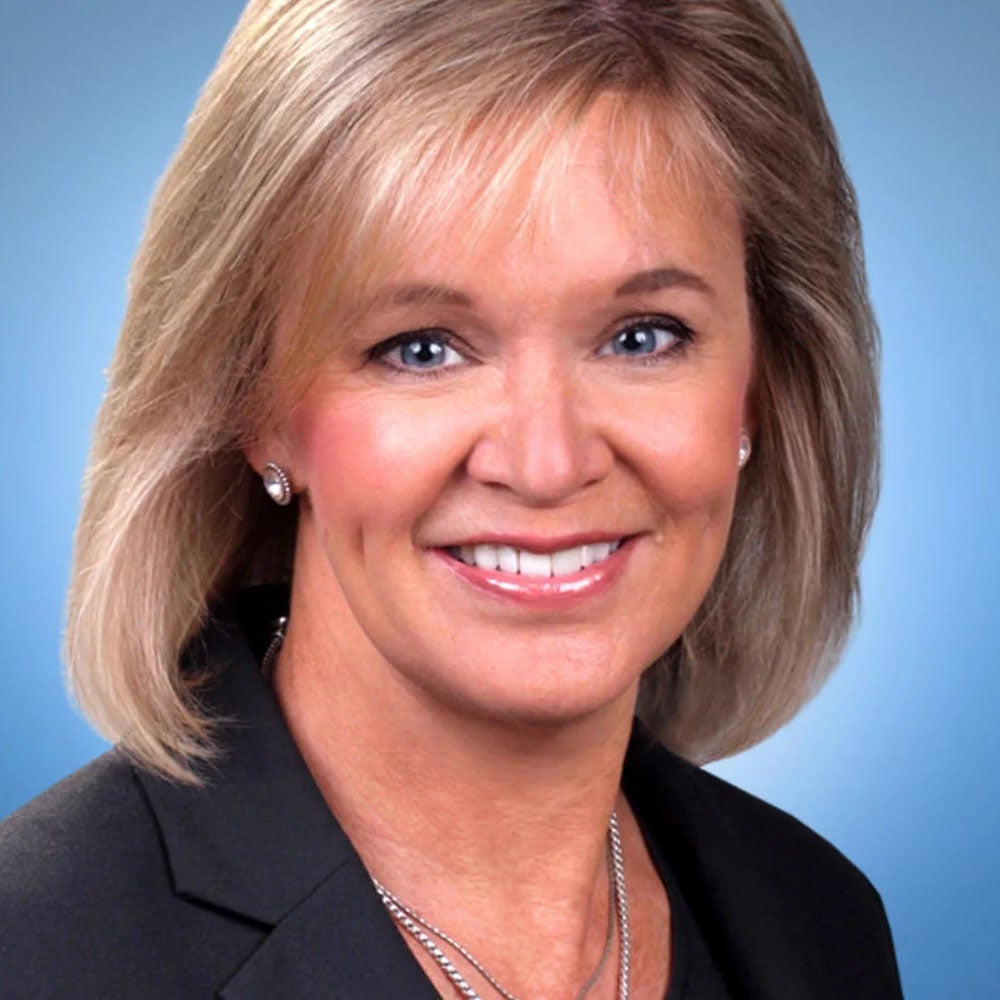
Republican state Sen. Lisa Frizell says the tax increases will have a ripple effect on the economy.
"We ask more and more of Colorado businesses, and I would submit to you we do so without fully understanding the costs, the complexity or the consequences of what we do," Frizell said.
Many of the bills will be challenged in court. The Taxpayer Bill of Rights requires voter approval for tax policy changes that generate revenue. Democrats say the bills extend existing policy -- by making temporary changes permanent -- or raise revenue below what courts have ruled is needed for voter approval.
Republican state Sen. Byron Pelton says Democrats have referred similar tax changes to the ballot.
"We should be asking the people," Pelton said.
Republicans say, instead of raising taxes, the state should cut spending. But Polis sets the parameters for the special session, and he directed lawmakers to raise revenue, while he will decide what gets cut.
One of the bills headed to his desk would require him to consult with lawmakers before making spending cuts.
Democrats also plan to sell $200 million in tax credits at a discount of up to $50 million to help with both the loss of tax revenue and federal health insurance subsidies. Businesses that buy the credits could use them to lower their tax liability in future years while the state could use the money now.
Half of the money generated from the sales would help lower health insurance for Coloradans on the state exchange, Connect for Health. The Division of Insurance says they will see rates increase up to $24,000 a year, when federal subsidies expire in December.
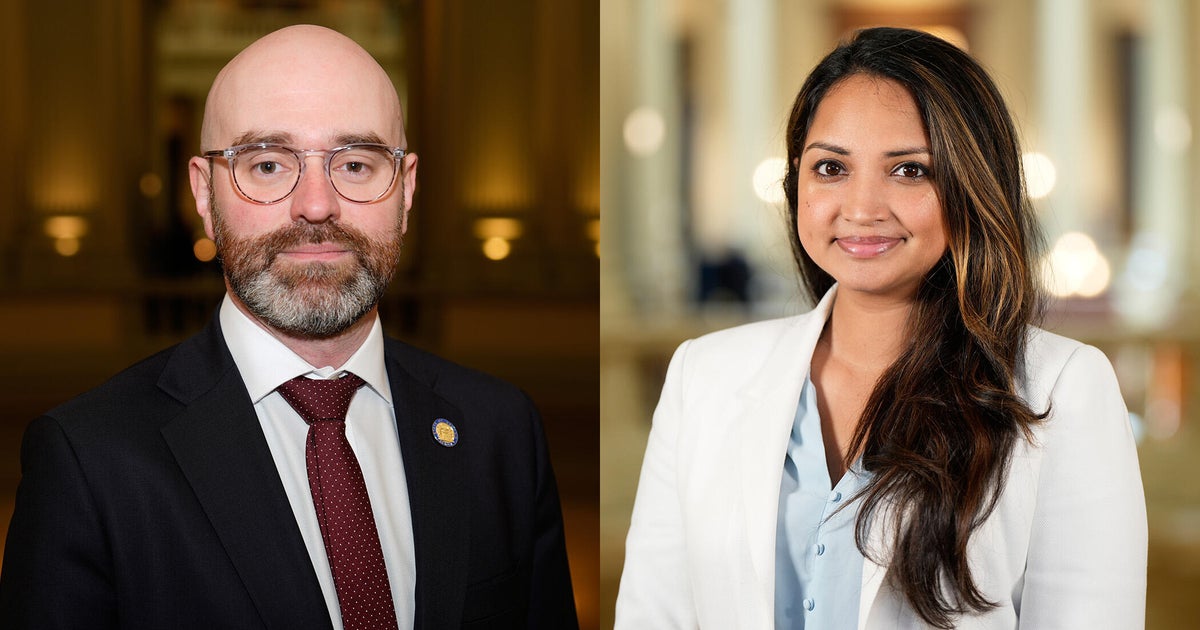
"At the core, this bill is about dignity, security and survival," said Democratic state Sen. Iman Jodeh.
In addition to using tax credits to lower health insurance costs, Democrats are using $10 million that the governor originally planned to use for a pedestrian bridge to celebrate Colorado's 150th birthday.
A bill by state Sen.s Dylan Roberts and Marc Catlin also takes $264,000 from the wolf reintroduction program and reallocates it to an enterprise that helps Coloradans who can't afford health insurance.
The only unresolved issue left in the special session is regulations for artificial intelligence.
The governor directed lawmakers to fix a law -- that he signed last year -- before it takes effect in February.
Democrats introduced two bills but couldn't get buy-in from consumer groups and the tech industry, so both were stripped down to simply extend implementation of the law by a few months, which gives lawmakers time to work on a bill to repeal and replace the law during the regular session. Lawmakers are expected to pass one of the bills Tuesday, the last day of the special session.